“Defects” search results (1733)

Colombian coffee grading
According to the classification of defective beans, defective beans can be divided into two types:-first: called first-class defects-second: called second-level defects. First: main defects (defects that affect the taste characteristics of coffee): black beans. Private exporters of moldy beans or sour beans: no more than 12 national coffee committees: no more than 8 first-level defective beans, second: secondary defects
2014-08-22 Coffee knowledge Columbia coffee grading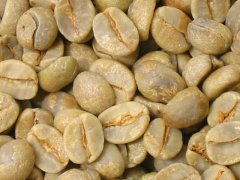
Explanation on how to classify high-quality coffee and raw beans
Level 1: special product defects: 0-5 do not allow to contain obvious defects total sample weight: 300 grams sample size difference: less than 5% 5% or so, or within the specified range of appreciation features: must be at least a little outstanding in the following characteristics: taste, sour taste, taste, aroma. The characteristics will be determined by both the buyer and the seller. After cup testing and appreciation, there are no defects. Baking difference
2014-09-10 Coffee knowledge coffee bean grading coffee raw beans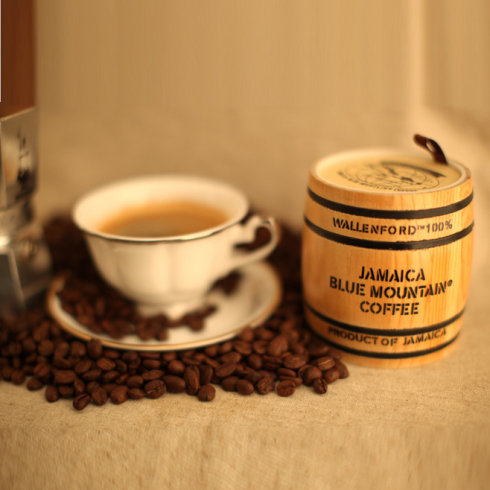
Blue Mountain Coffee has a high requirement for the proportion of defective beans, which gives priority to the grading system of giving priority to defects.
Introduction: although the output of Blue Mountain Coffee is very small, it has a strict grading system. Even if it is produced in the legal Blue Mountain producing area, it should be graded according to the size of beans and the proportion of defects. BlueMountainNo.1 Blue Mountain No. 1 bean type: 96% above 17 Bl 18 eyes defective bean proportion: 2% BlueMountainNo.2 Blue Mountain 2 bean type: 96% above 16 inch defective bean proportion: 2% Bl
2016-04-18 Blue Mountain coffee for defects proportion there are very high requirements size priority
The grading system of defects in Blue Mountain Coffee beans
Although the output of Blue Mountain Coffee is very small, it has a strict grading system, even if it is produced in the legal Blue Mountain area, it should be graded according to the size of beans and the proportion of defects. Blue Mountain No.1 Blue Mountain No. 1 bean type: 96% above 17 Blue 18 eyes defective bean proportion: 2% Blue Mountain No.2 Blue Mountain 2 bean type: 96% above 16 inch defective bean proportion: 2% Blue
2014-11-12 Coffee knowledge Blue Mountain Coffee grading defective beans
Colombian coffee is classified according to defective beans.
According to the classification of defective beans, defective beans can be divided into two types:-first: called first-class defects-second: called second-level defects. First: main defects (defects that affect the taste characteristics of coffee): black beans. Private exporters of moldy beans or sour beans: no more than 12 national coffee committees: no more than 8 first-level defective beans, second: secondary defects
2015-04-15 Columbia coffee grading according to defect classification basis score
Fine Coffee Blue Mountain Coffee Size Priority Grading System for Defects
Blue Mountain coffee, although produced in small quantities, has a strict grading system, even if it is produced in the legal Blue Mountain region, it is also graded according to the size of the bean and the proportion of defects. Blue Mountain No.1 Bean type: 96% or more 17/18 mesh defective bean proportion: 2% Blue Mountain No.2 Bean type: 96% or more 16/17 mesh defective bean proportion: 2% Blue
2014-12-28 boutique coffee blue mountain size priority balance blemish grading system
Introduction about SCAA coffee cup tasting expert Q GRADER
Now South Koreans have accounted for 1x4 of the more than 1000 Q GRADER in the world. I hope more friends can pass smoothly. First, about the examination item Q GRADER belongs to an examination, the explanation part is relatively few. At present, the examination time is 5 days, with a total of 22 items. Including 1 written coffee test, 3 taste threshold tests, 4 smell bottle smell tests and 5 triangle cup tests
2015-01-12 About SCAA coffee cup test product expert GRADER introduction now
The grading system of giving priority to defects in the size of Blue Mountain Coffee
Although the output of Blue Mountain Coffee is very small, it has a strict grading system, even if it is produced in the legal Blue Mountain area, it should be graded according to the size of beans and the proportion of defects. Blue Mountain No.1 Blue Mountain No. 1 bean type: 96% above 17 Blue 18 eyes defective bean proportion: 2% Blue Mountain No.2 Blue Mountain 2 bean type: 96% above 16 inch defective bean proportion: 2% Blue
2014-09-30 Coffee knowledge coffee beans blue mountain coffee coffee grading
Boutique coffee beans: the detailed classification of Colombian coffee beans teaches you to know boutique coffee beans.
According to the classification of defective beans, defective beans can be divided into two types:-first: called first-class defects-second: called second-level defects. First: main defects (defects that affect the taste characteristics of coffee): black beans. Private exporters of moldy beans or sour beans: no more than 12 national coffee committees: no more than 8 first-level defective beans, second: secondary defects
2015-12-15 Boutique coffee beans Columbia details grading introduction teach you know according to
The method of grading coffee beans by the American boutique coffee association
Level 1: special sample size difference: less than 5% defects: 0-5 shall not contain significant defects total sample weight: 300 g sample size difference: less than 5% 5%, or in the delineated typical perimeter appreciation features: must be at least a little outstanding in the following features: taste, sour taste, taste, fragrance. Characteristics will be decided by the cooperation of both sides of the business. Through cup test and appreciation
2014-09-04 Coffee knowledge American Fine Coffee Association graded coffee beans
Introduction to raw coffee beans of the American Special Coffee Association
First class: special product defect: 0-5 sample total weight: 300g sample size difference: less than 5% pencil 5%, or in the delineated typical perimeter sample total weight: 300g appreciation features: must be at least a little outstanding in the following features: taste, sour taste, taste, fragrance. Characteristics will be decided by the cooperation of both sides of the business. Through the cup test and appreciation, there are no defects. Baking difference
2015-11-30 United States Special Coffee Association Coffee Bean introduction description Grade 1 defects
The defects of high-quality coffee beans introduce the basic knowledge of coffee
Moldy beans: because of incomplete drying, or damp in the process of transportation and storage, cyan and white molds grow, which sometimes make the beans stick together. If these moldy beans are not removed, they will produce moldy smell. Dead beans: beans with abnormal results. The color is not easy to change because of baking, so it is easy to distinguish. The flavor is thin, as harmful as silver skin, and will become a peculiar smell.
2015-10-14 Boutique coffee beans defects introduction coffee basics common sense mildew because dry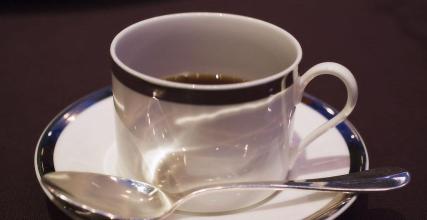
Colombian Coffee Lazimus Manor in the Andean region introduces fine coffee
According to regional tradition, Colombian coffee is often referred to as: Armenian / Medellin Gourmet. A few years ago, coffee began to be sold under the regional name: Popayan, Bucaramanga, Huila, Tolima, Medellin, Nario became the main coffee producing region in Colombia. There are two obvious coffee production periods: the Main crop (main season), the and season (Mitaca).
2016-07-05 Colombia Coffee Andes Mountains producing areas Raz Moss Manor introduction
Colombian raw and cooked coffee beans Colombian Lazmus manor coffee beans
Second: according to the bean body size Maragogype Marrago bark, special tree species, the bean body is huge, the total yield is less. Supremo super grade, bean body less than 17 mesh but more than 14 mesh not more than 5% Supremo screen18+ 18 + super grade, sample bean body less than 18 mesh but more than 14 mesh not more than 5% Excelso Extra first grade, sample bean body in 16 mesh
2016-05-22 Columbia raw coffee beans Raz Moss Manor according to beans size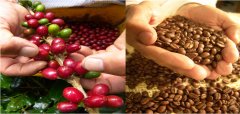
Classification of Colombian boutique coffee beans characteristics, taste and brand of Colombian coffee beans
Some ways of grading Colombian boutique coffee beans: 1: according to the law, according to the National Coffee Council, only high-quality coffee beans are allowed to be exported. These are set by the National Coffee Committee. Commercial rating: Maragogype Supremo Excelso and UGQ boutique rating: Grade AA Grade Special Grade each grade in beans
2016-01-15 Columbia boutique coffee beans classification characteristics taste brand Colombia
American Special Coffee Association-Classification of Raw Coffee beans
American Special Coffee Association-Classification of Raw Coffee beans
2014-06-16 Coffee knowledge coffee bean classification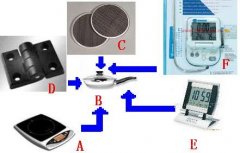
Family baking plan A
When we worry about not being able to taste freshly baked beans, when we worry about buying a home roaster for thousands of dollars, when we are ecstatic about manual operation, when we are looking for more interesting tools. Right now-Home Baking Plan A!
2014-08-04 Coffee knowledge home baking baking plan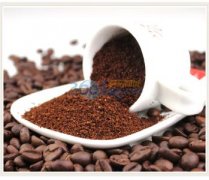
The definition of boutique coffee
According to the newly revised definition of the American Fine Coffee Association: boutique coffee is carefully selected as the most suitable variety, planted in the altitude, climate, soil and water environment that is most conducive to the development of coffee flavor; careful washing and sun processing, selection of the most advanced raw beans without defects, zero defects in the process of transportation, delivered to customers; after the excellent craftsmanship of the roaster, it leads to the richest regional flavor, and then with the recognized extract.
2014-08-20 Coffee knowledge boutique coffee coffee encyclopedia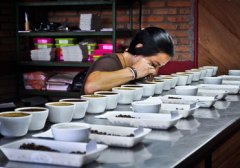
Baristas must know what a coffee cup is.
Coffee beans from all over the world, after different processing methods, have formed a variety of flavors and styles of coffee drinks. Tasting coffee is like tasting wine, there is a set of clear and clear methods. The quality grade of coffee is mainly evaluated according to the number of defects of coffee beans and cup products. If the total number of defects is not up to standard, the sample will not be cupped. Of each company.
2015-03-16 Coffee Shibi what is it coffee cups from all over the world coffee beans through different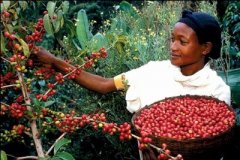
Kenya Coffee Kenya rating
Usually, Kenyan coffee is classified as follows: 1) Common categories: coffee fruits picked by hand, picked by hand, picked out immature fruit (unripe), overripe fruit (overripe) and other defects, peeled, after about 36 hours of fermentation, placed on a metal grid for sun drying, in the processing plant to remove the seed shell (parchment) to become a blue-green appearance
2016-06-03 Kenya coffee grade division usually classification as follows often