“Crop” search results (2383)

Are there any other benefits of coffee blending besides pursuing different flavors?
Since it is a blending, it naturally refers to the blending of more than two kinds of raw beans, but a special example is that the same kind of coffee beans with different roasting degrees can be matched together, or even the new crop and aged coffee or old crop of the same kind of coffee beans can be matched together, so the type referred to in the blending is no longer a coffee variety in a narrow sense, but extended to coffee in a broad sense.
2016-06-22 Coffee blending in addition to the pursuit flavor different and other benefits since
Boutique Coffee (specialty coffee)
It was said before that among the factors that affect the taste of a cup of coffee, raw beans account for 60%, roasting accounts for 30%, and production accounts for 10%. This is a general analysis, so throughout the life process of coffee beans, the factors that from crop to cup affects the taste of a cup of coffee can be infinitely refined. The first is the variety. Sow melon, reap beans, no matter whether it is to plant melons or beans, seed selection is the most important, of course I
2014-09-28 Coffee knowledge boutique coffee coffee encyclopedia
Boutique coffee common sense coffee raw beans the difference between new beans and old beans
After dry and wet processing, coffee fruit becomes coffee raw bean (Raw bean/Green bean). The main components of raw beans are: carbohydrates, about 49%; moisture, about 12%; protein. About 11%; chlorogenic acid, about 7.6% alkaloids and trace elements, about 0.4%. According to the length of time, raw beans can be divided into: seasonal beans (Current Cro)
2014-11-11 Coffee knowledge coffee common sense coffee raw beans new beans old beans
Flavor and taste of coffee manor in Indonesia Kahayang Gan Manor
There are usually two harvest seasons in Indonesia, the main harvest season (main crop) occurs from September to October, and the second harvest season (fly crop) occurs from May to June. Arabica will be picked by hand, wbrIndonesian wbrCoffee (I) Coffee processing Coffee from Java is traditionally washed. Sumatra and Sulawesi are extreme.
2016-07-18 Indonesia Coffee Manor producing area Flavor Taste introduction Kaha Yanggan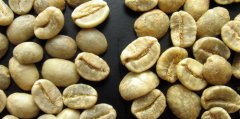
High-quality coffee raw beans: the difference between new beans and old beans
After dry and wet processing, coffee fruit becomes coffee raw bean (Raw bean/Green bean). The main components of raw beans are: carbohydrates, about 49%; moisture, about 12%; protein. About 11%; chlorogenic acid, about 7.6% alkaloids and trace elements, about 0.4%. According to the length of time, raw beans can be divided into: seasonal beans (Current Cro)
2015-06-01 Boutique coffee raw beans new beans old beans fruit pass dry and wet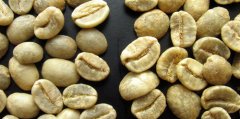
Coffee raw beans: the main components of raw beans between new beans and old beans
After dry and wet processing, coffee fruit becomes coffee raw bean (Raw bean/Green bean). The main components of raw beans are: carbohydrates, about 49%; moisture, about 12%; protein. About 11%; chlorogenic acid, about 7.6% alkaloids and trace elements, about 0.4%. According to the length of time, raw beans can be divided into: seasonal beans (Current Cro)
2015-09-15 Coffee raw beans new beans old beans mainly coffee fruit after
Specialty coffee Fine Coffee (3) factors determining Coffee Taste
It was said before that among the factors that affect the taste of a cup of coffee, raw beans account for 60%, roasting accounts for 30%, and production accounts for 10%. This is a general analysis, so throughout the life process of coffee beans, the factors that from crop to cup affects the taste of a cup of coffee can be infinitely refined. The first is the variety. Sow melon, reap beans, no matter whether it is to plant melons or beans, seed selection is the most important, of course I
2014-09-11 Coffee knowledge fine coffee coffee taste coffee factor
Basic knowledge of Coffee definition of Fine Coffee
It was said before that among the factors that affect the taste of a cup of coffee, raw beans account for 60%, roasting accounts for 30%, and production accounts for 10%. This is a general analysis, so throughout the life process of coffee beans, the factors that from crop to cup affects the taste of a cup of coffee can be infinitely refined. The first is the variety. Sow melon, reap beans, no matter whether it is to plant melons or beans, seed selection is the most important, of course I
2014-12-26 Coffee basics common sense boutique definition before influence one cup coffee taste
Boutique Coffee all kinds of common sense about fine coffee
It was said before that among the factors that affect the taste of a cup of coffee, raw beans account for 60%, roasting accounts for 30%, and production accounts for 10%. This is a general analysis, so throughout the life process of coffee beans, the factors that from crop to cup affects the taste of a cup of coffee can be infinitely refined. The first is the variety. Sow melon, reap beans, no matter whether it is to plant melons or beans, seed selection is the most important, of course I
2014-11-19 Coffee knowledge boutique coffee science boutique coffee common sense
The basic knowledge of buying Coffee beans
The easiest way to judge the delicious coffee at the time of pawn is to sigh the filter paper.
2015-04-11 Coffee beans shopping coffee basics common sense
Coffee goods fell 23% into a bear market.
Despite an increase in rainfall last month, easing the drought in Brazil, the world's leading coffee producer and exporter, international coffee futures fell into a bear market, with futures prices down 23 per cent since April.
2014-06-06 Coffee news coffee futures coffee stock market
It is difficult to increase coffee production in Jamaica in the short term.
Grant, manager of the Blue Mountain Mavisban Coffee Factory, said that due to poor control of berry borer and leaf rust, the global coffee market demand is still weak, and the Jamaican coffee industry will lose US $10 million in the 2013-2014 crop year. Grant said Jamaica will harvest 240000 barrels of coffee in the 2013-2014 crop year, the same as last year. At current prices, Jamaican coffee this year
2014-04-27 Jamaica coffee production in the short term difficult to improve Blue Mountain Marvis Weiss
Coffee knowledge introduces the distinction between raw beans, new beans and old beans
After dry and wet processing, coffee fruit becomes coffee raw bean (Raw bean/Green bean). The main components of raw beans are: carbohydrates, about 49%; moisture, about 12%; protein. About 11%; chlorogenic acid, about 7.6% alkaloids and trace elements, about 0.4%. According to the length of time, raw beans can be divided into: seasonal beans (Current Cro)
2014-12-30 Coffee knowledge introduction raw beans new beans old beans distinction coffee fruit pass
Grade G1 original species of snow caffeine from Worka estate in Waka, Ethiopia
Today, there are still a large number of wild Arabica coffee trees growing in many parts of Ethiopia, averaging between 4200 and 6800 feet above sea level. Now there is a trend of small cultivation, generally planting banana trees for shade at the same time, but due to lack of agricultural technology, herbicides and pesticides are less used. Coffee is Ethiopia's main economic crop and the largest in the country.
2016-07-08 Ethiopia Waka Worka Manor Yega Sheffield Chefe Native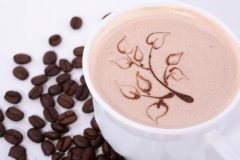
The main components of raw beans are new beans and old beans.
After dry and wet processing, coffee fruit becomes coffee raw bean (Raw bean/Green bean). The main components of raw beans are: carbohydrates, about 49%; moisture, about 12%; protein. About 11%; chlorogenic acid, about 7.6% alkaloids and trace elements, about 0.4%. According to the length of time, raw beans can be divided into: seasonal beans (Current Cro)
2015-10-13 Raw beans mainly divided into new beans old beans coffee fruit after dry and wet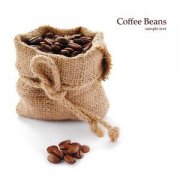
Coffee raw beans: the difference between new beans and old beans
Coffee raw beans: the coffee fruits of new beans and old beans are processed by dry and wet methods, and then become coffee raw beans (Raw bean/Green bean). The main components of raw beans are: carbohydrates, about 49%; moisture, about 12%; protein. About 11%; chlorogenic acid, about 7.6% alkaloids and trace elements, about 0.4%. According to the length of time, raw beans can be specific.
2015-10-15 Coffee raw beans new beans old beans coffee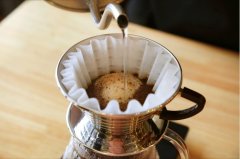
The judgment of the purchase of coffee beans at the time of pawn
The easiest way to judge the delicious coffee at the time of pawn is to sigh the filter paper.
2015-10-24 Coffee beans buy pawn judge
Coffee blending introduction: using 2 or 6 kinds of coffee beans to match? what will be the taste after blending?
Since it is a blending, it naturally refers to the blending of more than two kinds of raw beans, but a special example is that the same kind of coffee beans with different roasting degrees can be matched together, or even the new crop and aged coffee or old crop of the same kind of coffee beans can be matched together, so the type referred to in the blending is no longer a coffee variety in a narrow sense, but extended to coffee in a broad sense.
2016-06-20 Coffee blending introduction adoption 6 kinds of coffee beans how to do spelling Taoist meeting how
Boutique coffee beans common sense how to distinguish between new beans and old beans
After dry and wet processing, coffee fruit becomes coffee raw bean (Raw bean/Green bean). The main components of raw beans are: carbohydrates, about 49%; moisture, about 12%; protein. About 11%; chlorogenic acid, about 7.6% alkaloids and trace elements, about 0.4%. According to the length of time, raw beans can be divided into: seasonal beans (Current Cro)
2014-11-20 Coffee knowledge boutique coffee bean common sense new beans old beans
Fine coffee learn the difference between new beans and old beans of raw coffee
After dry and wet processing, coffee fruit becomes coffee raw bean (Raw bean/Green bean). The main components of raw beans are: carbohydrates, about 49%; moisture, about 12%; protein. About 11%; chlorogenic acid, about 7.6% alkaloids and trace elements, about 0.4%. According to the length of time, raw beans can be divided into: seasonal beans (Current Cro)
2014-09-29 Coffee knowledge boutique coffee science coffee raw beans new coffee beans old coffee beans