“Coban” search results (669)
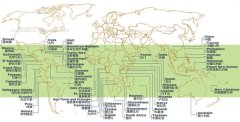
Where do the world-famous individual coffee beans and their high-quality coffee beans come from? Where is the best production?
Latin American coffee beans (Central and South America) Brazil: Santos, Bahia, Cerrado, Mogiana Mexico: Coatepec, Huatusco, Orizaba, Maragogype, Tapanchula, Huixtla, Plumako
2016-03-16 World list coffee beans and their origin quality where produced the best
Introduction of Guatemalan Coffee beans
Coffee production in Guatemala has declined relatively, at 700kg per hectare, while that in El Salvador is 900kg per hectare and that in Costa Rica is even more astonishing, at 1700 kg per hectare. Guatemalan coffee exports are controlled by private companies, but the National Coffee Council (AsociacionNacionaldeCafe) controls other ministries of the coffee industry.
2016-05-09 Guatemala coffee beans introduction practice boutique coffee yes
Flavor and taste characteristics of Guatemalan coffee, commercial coffee roaster
Guatemalan coffee has a strong aroma, even if you don't drink it, just smelling it is already a pleasure. Antigua coffee has a rich and velvety mellow, rich and lively aroma, and fine sour taste. When the attractive fragrance lingers on the tip of your tongue, there is an indescribable mystery. You may feel dull at the first sip, but as the coffee slows down
2016-06-04 Guatemala coffee flavor taste characteristics commercial roaster
Introduction to Guatemala Coffee Manor-Latisha Manor Fraijanes guatemala City
Like Costa Rica, El Salvador, Mexico, Honduras and other Central American countries, Guatemala is classified on the basis of altitude. Coffee produced at high altitudes is generally of higher quality than at lower altitudes, because the higher the altitude, the lower the temperature. At high altitudes, the slower the coffee grows, the more beneficial it is to the accumulation of good substances.
2016-06-16 Guatemala Coffee Manor introduction Larty Fraijanes gua
Guatemala Coffee Produced by Washing Process
The average altitude of dangerous country is high, the coffee belt is distributed above 1500 meters, between 14 and 16 degrees north latitude, the most easy to grow extremely hard beans, all washed, of which 45% belong to the fine grade, the proportion is quite high, there is also a small amount of robusta. The main coffee varieties are bourbon, tibika, kaduai and kadura, and there are also a few yellow bourbon, guixia and pakamala. The varieties are quite diverse.
2016-06-30 all for washing treatment Guatemala coffee producing country presentation dangerous country average sea
The Origin of Guatemalan Coffee beans
Coffee production in Guatemala has declined relatively, at 700kg per hectare, while that in El Salvador is 900kg per hectare and that in Costa Rica is even more astonishing, at 1700 kg per hectare. Guatemalan coffee exports are controlled by private companies, but the National Coffee Council (AsociacionNacionaldeCafe) controls other ministries of the coffee industry.
2016-05-09 Guatemala coffee beans origin boutique coffee in
World boutique coffee beans: an introduction to the types of world-famous coffee beans and their different producing areas
[introduction] Latin American Coffee beans (Central and South America) Brazil: Santos, Bahia, Cerrado, Mogiana Mexico: Coatepec, Huatusco, Eurizaba (Orizab Latin American Coffee beans (Central and South America) Brazil: Santos (Santos), Bahia (Bahia), Xi Xi
2015-12-16 World boutique coffee beans list species origin different introduction guide
What are the most famous coffee plantations?
Costa Rica's crop is even more impressive, reaching 1700 kilograms per hectare. Guatemala's coffee export trade is controlled by private companies, but the National Coffee Council (Asociación Nacional de Cafe) controls the rest of the coffee industry. Some of Guatemala's finest coffee is exported to Japan, where it sells for $3 to $4 a cup. most of the
2016-06-14 well-known coffee plantations which Costa Rica yield more amazing hectares
Characteristics of Coffee Origin in Guatemala
Coffee production in Guatemala has declined relatively, at 700kg per hectare, while that in El Salvador is 900kg per hectare and that in Costa Rica is even more astonishing, at 1700 kg per hectare. The export of dangerous Dimara coffee is controlled by private companies, but the National Coffee Council (Asociacion Nacional de Cafe) controls the coffee industry.
2016-06-03 Guatemala coffee origin characteristics in output relative
Bitter and fragrant, delicious Arabica coffee in Guatemala
Guatemalan coffee is deeply bitter and fragrant. The coffee produced in the highland is mellow and has a good sour taste. It is well received and is the best material for blended coffee. Coffee variety: Arabica (Arabica): accounts for 85% of total coffee production, including Brazil, Colombia, Guatemala, Ethiopia and so on. Beans are turquoise, beans are thin and have special fragrance and sweetness
2016-07-01 Fragrant taste Guatemala rabbi card seed coffee depth
Introduction of boutique Guatemalan coffee beans
Coffee production in Guatemala has declined relatively, at 700kg per hectare, while that in El Salvador is 900kg per hectare and that in Costa Rica is even more astonishing, at 1700 kg per hectare. The export of dangerous Dimara coffee is controlled by private companies, but the National Coffee Council (Asociacion Nacional de Cafe) controls the coffee industry.
2016-05-05 Boutique Guatemala coffee beans introduction in coffee production
The Origin of Guatemalan Coffee beans
Coffee production in Guatemala has declined relatively, at 700kg per hectare, while that in El Salvador is 900kg per hectare and that in Costa Rica is even more astonishing, at 1700 kg per hectare. The export of dangerous Dimara coffee is controlled by private companies, but the National Coffee Council (Asociacion Nacional de Cafe) controls the coffee industry.
2016-05-08 Guatemala coffee beans origin boutique coffee in
Flavor Origin of Guatemalan Coffee beans
Coffee production in Guatemala has declined relatively, at 700kg per hectare, while that in El Salvador is 900kg per hectare and that in Costa Rica is even more astonishing, at 1700 kg per hectare. The export of dangerous Dimara coffee is controlled by private companies, but the National Coffee Council (Asociacion Nacional de Cafe) controls the coffee industry.
2016-06-12 Guatemala coffee beans flavor origin in coffee output phase
Treatment methods of Guatemalan coffee beans
Coffee production in Guatemala has declined relatively, at 700kg per hectare, while that in El Salvador is 900kg per hectare and that in Costa Rica is even more astonishing, at 1700 kg per hectare. The export of dangerous Dimara coffee is controlled by private companies, but the National Coffee Council (Asociacion Nacional de Cafe) controls the coffee industry.
2016-06-08 Guatemala coffee beans treatment method in coffee production
Guatemala coffee beans how to practice Guatemala coffee beans characteristics
Coffee production in Guatemala has declined relatively to 700 kg/ha, compared with 900 kg/ha in El Salvador and an astonishing 1700 kg/ha in Costa Rica. Guatemala's coffee export trade is controlled by private companies, but the National Coffee Council (Asociación Nacional de Cafe) controls the coffee industry.
2016-05-06 Guatemala coffee beans practices characteristics in coffee yield phase
How does China Coffee Network choose Coffee beans Guatemala Kovan Guatemala Coffee producing area bourbon Kadu
RainforestCoban GuatemalawbrCoban is very different from other Guatemalan producing areas. Kovan is cloudy and rainy all year round, with a cool climate and soil made of limestone and clay. The vast majority of rainforest Kovan is planted on the rolling mountains of the region and is affected by the tropical climate of the Atlantic Gulf. Kovan climate
2016-03-31 China Coffee how to Choice Coffee beans dangerous Land Maraco Laco Guatemala
Boutique coffee recommends Guatemalan coffee
In 1750, Father Jesuit introduced coffee trees to Guatemala, where the coffee industry was developed by German colonists at the end of the 19th century. Today, most of the coffee industry's production takes place in the south of the country. Coffee production in Guatemala: the slopes of SierraMadre volcano provide ideal conditions for growing high-quality coffee beans at high altitudes.
2014-12-18 Boutique Coffee recommendation Guatemala 1750 Jesu Voight
Coffee beans in Guatemala Coffee beans of Fine Coffee
Currently, they are also benefiting from a U.S.-funded project that locals call TheProject, which plans to invest $2.5 million to encourage the opening of small, high-quality coffee plantations. The main areas rich in high-quality coffee in Guatemala are Lake Attilan (LakeAtitlan) and Huehuentenango. The purpose of the project is to help
2016-05-22 Guatemala coffee beans flavor characteristics boutique coffee at present they benefit
History and Culture of Coffee in Guatemala
Coffee production in Guatemala has declined relatively, at 700kg per hectare, while that in El Salvador is 900kg per hectare and that in Costa Rica is even more astonishing, at 1700 kg per hectare. The export of dangerous Dimara coffee is controlled by private companies, but the National Coffee Council (Asociacion Nacional de Cafe) controls the rest of the coffee industry.
2016-05-31 Guatemala coffee history and culture in output relative
What are the characteristics of Guatemalan coffee? Latitha Manor.
The characteristics of Guatemalan coffee: compared to other kinds of coffee, critics prefer this kind of mixed flavor coffee with spice flavor, which grows at high altitude. The extra hard coffee beans here are a rare good coffee with full grains, delicious taste and balanced acidity. Flavor: full-bodied, full-bodied and attractive suggest baking method: medium, can also be carried out
2016-06-14 Guatemala coffee what specialty Larty manor