“Chris” search results (301)

Introduction to the characteristics of Indonesian Kopi Luwak Flavor Manor and Arabica Coffee Manor
Kopi Luwak is produced by the feces of Indonesian coconut cats (a kind of civet) as raw materials, so it is called Kopi Luwak. This kind of animal mainly feeds on coffee beans. After completing fermentation in the coconut cat's stomach, it destroys proteins, produces short peptides and more free amino acids, reduces the bitterness of coffee, and then excretes feces as the main raw material. Because coffee beans cannot be digested, they will be excreted.
2016-08-10 Indonesia cat shit coffee flavor taste manor producing area characteristics introduction rabbi
What is the best coffee to drink in Indonesia? how to grow Kopi Luwak?
Kopi Luwak is produced by the feces of Indonesian coconut cats (a kind of civet) as raw materials, so it is called Kopi Luwak. This kind of animal mainly feeds on coffee beans. After completing fermentation in the coconut cat's stomach, it destroys proteins, produces short peptides and more free amino acids, reduces the bitterness of coffee, and then excretes feces as the main raw material. Because coffee beans cannot be digested, they will be
2016-05-23 Indonesia what coffee delicious cat shit how planting
Introduction to the extra thick and mellow Indonesian civet coffee manor with special flavor and taste
Kopi Luwak is produced by the feces of Indonesian coconut cats (a kind of civet) as raw materials, so it is called Kopi Luwak. This kind of animal mainly feeds on coffee beans. After completing fermentation in the coconut cat's stomach, it destroys proteins, produces short peptides and more free amino acids, reduces the bitterness of coffee, and then excretes feces as the main raw material. Because coffee beans cannot be digested, they will be
2016-09-12 Extra thick mellow Indonesian musk coffee manor producing area characteristics flavor
Introduction to the flavor description of fine coffee beans in Kopi Luwak producing area of civet coffee
The civet likes to choose the most ripe, sweet, juicy coffee fruit in the coffee tree as food. The coffee fruit passes through its digestive system, and only the pulp on the outside of the fruit is digested, and the hard coffee beans are then excreted intact by the civet's digestive system. In this way, in the process of digestion, there are unparalleled magical changes in the flavor of coffee beans.
2016-09-23 Musk coffee cat droppings varieties producing areas boutique coffee beans flavor description taste
Full and juicy civet coffee fermentation process roasting degree grinding degree flavor manor introduction
Coconut cats are omnivores. In addition to eating seeds, they also eat insects, snakes, birds, amphibians and reptiles, so the feces discharged by really wild coconut cats will be mixed with all kinds of substances. Local farmers in Indonesia catch coconut cats to raise them and feed coffee beans to make them. But there is a difference between artificial cultivation and natural ones after all. In the coffee industry, cat shit coffee
2016-09-29 Fullness juicy musk coffee fermentation process treatment way baking degree
Indonesian Muscat Coffee Kopi Luwak introduction to Sumatra Coffee producing areas
Kopi Luwak is produced by the feces of Indonesian coconut cats (a kind of civet) as raw materials, so it is called Kopi Luwak. This kind of animal mainly feeds on coffee beans. After completing fermentation in the coconut cat's stomach, it destroys proteins, produces short peptides and more free amino acids, reduces the bitterness of coffee, and then excretes feces as the main raw material. Because coffee beans cannot be digested, they will be
2016-07-11 Indonesia musk coffee cat shit introduction Sumatra producing area yes
Indonesian civet coffee flavor and taste characteristics boutique coffee beans introduction Kopi Luwak
The cat is slender, much larger than a domestic cat and similar in size to a domestic dog. it weighs 6 to 10 kilograms as an adult and is 60 to 80 centimeters long, with a maximum length of 100 centimeters. The head is slightly pointed, the ear is small, the forehead is broad, the snout is slightly protruding, and the third and fourth toes of the forefoot have claws composed of skin flaps. The body hair is brownish gray, with dark brown markings, gray-white lips, and small gray spots around the forehead and eyes. Back from the center to
2016-08-25 Indonesia musk coffee flavor taste characteristics boutique coffee beans introduction cat shit
Origin of Coffee Musk Coffee Manor introduction to Sumatra Coffee producing area Fuyin Manor
Kopi Luwak is produced by the feces of Indonesian coconut cats (a kind of civet) as raw materials, so it is called Kopi Luwak. This kind of animal mainly feeds on coffee beans. After completing fermentation in the coconut cat's stomach, it destroys proteins, produces short peptides and more free amino acids, reduces the bitterness of coffee, and then excretes feces as the main raw material. Because coffee beans cannot be digested, they will be
2016-07-12 Musk Coffee Origin Manor introduction Sumatra producing area Fuyin Cat shit
Rich and strong Indonesian Kopi Luwak civet flavor description baking degree recording taste treatment manor
Kopi Luwak, produced in Indonesia, is one of the most expensive coffee in the world. Indonesia grows a lot of coffee crops, including wild animals called civets, omnivores, pointed mouths and dark gray fur. The favorite food is fresh coffee beans, which are fermented and digested in the body and eventually excreted by cats. Feces are just grains of coffee beans.
2016-10-07 Rich strong Indonesia cat shit coffee musk flavor description baking degree
Description of the flavor of civets coffee with special flavor the characteristics of varieties and the price of fine coffee beans in producing areas
The company M.P. Mountanos, which first introduced Kopi Luwak coffee to the United States, pointed out that at first, when I heard about this kind of coffee fermented in the body, I thought it was a joke in the industry, but I didn't take it seriously. later, I saw a special report on Kopi Luwak in National Geographic Magazine and became interested in her. it took seven years to find a stable source of supply and began to introduce a small amount to the United States.
2016-10-10 Aroma special musk coffee flavor description variety characteristics producing area taste
A brief introduction to Vietnamese Coffee Coffee Price of Vietnamese Coffee Coffee
Kopi Luwak is made in Indonesia. In the early 18th century, the Dutch established coffee plantations in the Indonesian colonies of Sumatra and Java, and banned locals from picking and eating their own coffee fruits. Indonesian locals inadvertently found that civets love to eat these coffee fruits and will drain the beans intact when defecating. The civet can only pick the most familiar.
2016-05-04 Vietnam Musk Coffee profile Price
The practice of delicious civet coffee Vietnamese civet coffee death wish coffee boutique Blue Mountain coffee
Musk cats only choose the most ripe and sweetest coffee beans, which in itself is a natural screening. Second, locals find that these beans are fermented by the cat's stomach to produce coffee that tastes better than ordinary ones. Mellow and delicious Kopi Luwak has gradually become famous and become a hot product in the international market. The market is flooded: captive civets are nocturnal animals that inhabit the jungle
2016-05-04 Delicious musk coffee practice Vietnam death wish boutique Blue Mountain
Flavor and taste of Kopi Luwak Manor in Indonesia introduction of Sumatra production area of Fuyin Manor
Kopi Luwak is produced by the feces of Indonesian coconut cats (a kind of civet) as raw materials, so it is called Kopi Luwak. This kind of animal mainly feeds on coffee beans. After completing fermentation in the coconut cat's stomach, it destroys proteins, produces short peptides and more free amino acids, reduces the bitterness of coffee, and then excretes feces as the main raw material. Because coffee beans cannot be digested, they will be
2016-07-12 Indonesia cat shit coffee manor producing area flavor taste introduction Fuyin Sumenda
The taste of Indonesian musk cat coffee is particularly mellow, and the taste of the manor is characterized by fine coffee and beans.
The civet likes to choose the most ripe, sweet, juicy coffee fruit in the coffee tree as food. The coffee fruit passes through its digestive system, and only the pulp on the outside of the fruit is digested, and the hard coffee beans are then excreted intact by the civet's digestive system. In this way, in the process of digestion, there are unparalleled magical changes in the flavor of coffee beans.
2016-08-12 Taste special mellow Indonesia musk coffee flavor taste manor producing area
Civet Coffee Flavor description, Grinding degree, Taste, Fine Coffee characteristics, methods and methods
Kopi Luwak, produced in Indonesia, is one of the most expensive coffee in the world. Indonesia grows a lot of coffee crops, including wild animals called civets, omnivores, pointed mouths and dark gray fur. The favorite food is fresh coffee beans, which are fermented and digested in the body and eventually excreted by cats. Feces are just grains of coffee beans.
2016-09-30 Musk coffee flavor description grinding taste boutique characteristics treatment way
Introduction to the flavor and taste of civet coffee Kopi Luwak fermentation process
The cat is lonely, nocturnal, alert, sensitive to hearing and smell, day and night, agile, sensitive, cunning and suspicious, so it is called fox cat. Hiding in thickets, grass, tree caves, soil caves and caves during the day, he began to move in the morning and dusk, often looking for food at the edge of the forest, near agricultural land, in valleys, or even near settlements, and returned to his habitat two or three hours later.
2016-09-21 Musk coffee cat shit fermentation process mode of production flavor taste introduction
Brief introduction of boutique Kopi Luwak how much is boutique Kopi Luwak per jin
Kopi Luwak is made in Indonesia. In the early 18th century, the Dutch established coffee plantations in the Indonesian colonies of Sumatra and Java, and banned locals from picking and eating their own coffee fruits. Indonesian locals inadvertently found that civets love to eat these coffee fruits and will drain the beans intact when defecating. The civet can only pick the most familiar.
2016-05-04 Boutique cat shit coffee profile less money one jin
How much is the boutique coffee beans? a jin of Panamanian coffee Panamanian coffee beans taste civet coffee
Kopi Luwak is made in Indonesia. In the early 18th century, the Dutch established coffee plantations in the Indonesian colonies of Sumatra and Java, and banned locals from picking and eating their own coffee fruits. Indonesian locals inadvertently found that civets love to eat these coffee fruits and will drain the beans intact when defecating. The civet can only pick the most familiar.
2016-05-04 Boutique coffee beans less money one jin Panama coffee taste musk
Cat poop, musk, cat nest coffee.
Kopi Luwak is produced by the feces of Indonesian coconut cats (a kind of civet) as raw materials, so it is called Kopi Luwak. This kind of animal mainly feeds on coffee beans. After completing fermentation in the coconut cat's stomach, it destroys proteins, produces short peptides and more free amino acids, reduces the bitterness of coffee, and then excretes feces as the main raw material. Because coffee beans cannot be digested, they will be
2016-08-29 Cat poop musk cat nest coffee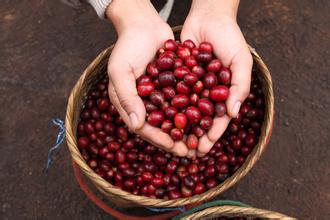
Introduction of fine cat feces coffee beans Characteristics of cat feces coffee beans Price of fine coffee
Cat poop coffee, Indonesia. In the early 18th century, the Dutch established coffee plantations in the Indonesian colonies of Sumatra and Java, and prohibited the locals from picking and eating their own coffee fruits. Indonesian locals accidentally discovered that civet cats love to eat these coffee fruits and will expel the beans intact when defecating. Civets only pick the best.
2016-05-05 boutique cat poop coffee beans presentation characteristics price coffee