“Chemical changes” search results (700)

Coffee beans wither, too?
Deterioration refers to the change in which the properties of polymers are reduced and cannot be recovered. Due to the action of heat, light, ultraviolet light, oxygen, ozone and various chemicals, polymer materials will change their physical or chemical properties, such as discoloration, cracking, intensity reduction and so on. These external conditions can cause the breakage or cross-linking of the polymer main chain, resulting in structural changes and reduced properties. Baked coffee
2015-05-18 Coffee beans too wither deteriorate deterioration which means
Chemical effects in the process of milk foaming
Assuming that all cows grow in the same place and eat the same food, the following three factors have a direct impact on milk: Lactose, milk fat and protein content.
2014-07-26 Milk foaming chemical effect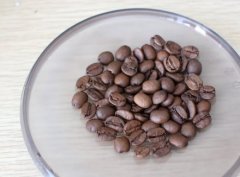
Experience the different tastes of coffee
The color, aroma and taste of coffee are caused by some complex chemical changes that take place during the baking process. Generally speaking, we use strong alcohol to show the round, mellow and strong taste of coffee.
2014-09-11 Coffee knowledge coffee taste mellow and bitter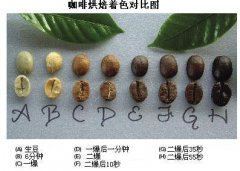
The baking process of coffee after picking
Unroasted coffee is usually called "raw coffee". Compared with roasted coffee, raw coffee has a shelf life of up to one year.
2014-06-20 Coffee knowledge coffee roasting coffee processing
What are the ingredients of coffee beans?
Caffeine is the most eye-catching of all the ingredients of coffee.
2014-06-12 Coffee knowledge coffee beans composition list
The concept and principle of Coffee Baking
As the name suggests, roasting is to provide heat to coffee beans, causing a series of chemical changes inside.
2014-07-12 Coffee knowledge coffee roasting coffee encyclopedia
The color, aroma, and taste of coffee
Coffee's color, aroma, and taste are the result of complex chemical changes that occur through roasting.
2014-07-04 Coffee knowledge coffee taste color and aroma coffee encyclopedia
What are the ingredients of coffee beans? what plants does coffee belong to?
After extraction, tannic acid will turn into a yellowish powder, which can easily blend into water, and after boiling it will decompose and produce pyrosylic acid, which will make the coffee taste worse, and if it is soaked and left for several hours, the color of the coffee will become thicker than when it was just soaked, and it is also less tasty, so there is a saying that it is best to finish it as soon as possible. The fat contained in coffee, which is extremely important in flavor.
2016-05-31 Coffee beans which ingredients coffee belong to what plants extract rather acid become
Illustration of coffee roasting process
Roasting is the last and most important step in the processing of coffee beans after they have been picked. Green coffee beans cannot be used directly to make drinking coffee. All coffee beans must be roasted before grinding and brewing.
2014-07-22 Coffee knowledge Coffee roasting Roasting process Coffee encyclopedia
There are various ingredients of coffee.
Caffeine: caffeine is the most eye-catching of all the ingredients in coffee. It belongs to a kind of phytoxanthin (animal muscle component). It has the same properties as theobromine contained in cocoa, green tea contains the same theophylline, and the percentage of reduction after baking is very small. Caffeine has a very wide range of effects. will affect the human brain, heart, blood vessels, gastrointestinal, muscle and kidney and other parts, the right amount of coffee
2014-05-27 Coffee knowledge coffee ingredients
What are the ingredients in black coffee?
Caffeine: Caffeine is the most noticeable of all coffee ingredients. It belongs to a kind of plant xanthine (animal muscle component). Its properties are the same as theobromine contained in cocoa. Theophylline contained in green tea is the same. After baking, the percentage of reduction is extremely small. The effect of caffeine is extremely extensive. It will affect various parts of the human brain, heart, blood vessels, gastrointestinal tract, muscles and kidneys. Appropriate coffee
2015-04-22 coffee ingredients what caffeine all most people purpose
Basic knowledge of roasting Coffee Bean roasting
The so-called coffee roasting (coffee roasting) refers to the process that through heating the raw beans, a series of physical and chemical reactions take place inside and outside of the coffee beans, and in this process, the sour, bitter, sweet and other flavors of the coffee are formed, forming mellowness and hue, and transforming the raw beans into dark brown beans. The original beans of coffee rely on professional technology to maximize the flavor of beans. Baked
2015-04-03 Boutique coffee roasting basics common sense coffee beans so-called coffee co
Healthy drinking of coffee can reduce the incidence of diabetes.
Drinking about 4 cups of coffee a day for a long time can inhibit harmful protein changes in the body and reduce the risk of diabetes by 50%. As a weekly selected paper of the American Chemical Society, the results of this research have been published on the home page of its official website, and have attracted wide attention from scholars at home and abroad and international media. For a long time, some people have found through experience that coffee drinking and diabetes have a low incidence.
2015-10-19 Coffee healthy moderate drinking can be reduced diabetes incidence long-term daily
The composition of coffee
Caffeine: caffeine is the most eye-catching of all the ingredients in coffee. It belongs to a kind of phytoxanthine (animal muscle component) and has the same properties as theobromine in cocoa and theophylline in green tea. The percentage of reduction after baking is very small, and the effect of caffeine is very extensive. It will affect the brain, heart, blood vessels, gastrointestinal tract, muscles and kidneys of the human body, and the right amount of caffeine will
2014-08-04
Processing methods of low caffeine coffee beans
At present, there are three ways to remove caffeine from coffee beans: 1. Water treatment can remove 9496% of the caffeine. 2. Chemical extraction method, early use chloroform (Chloroform), benzene (Benzene) as solvent to extract caffeine, later understand that these chemicals cause cancer, and gradually be replaced by other low-hazard chemicals, but after all, the chemical substances are not natural enough, this method can extract 9.
2014-08-19 Coffee knowledge caffeine coffee bean processing coffee encyclopedia
How does the sour and bitter in coffee come from?
Many thermal and chemical reactions take place during baking: decarbonation, dehydration of quinic acid, subdivision, isomerization, polymerization, and complex sugar reactions (caramelization).
2014-08-25 Coffee knowledge sour coffee bitter coffee why coffee is bitter
The concept of coffee roasting
As the name suggests, roasting is to provide heat to coffee beans, causing a series of chemical changes inside. Raw coffee beans show the unique color, aroma and taste of coffee by roasting. Every coffee bean contains fragrance, sour taste, sweet taste and bitter taste. How to release it incisively and vividly depends on the heat of baking.
2014-07-15 Coffee knowledge coffee roasting coffee encyclopedia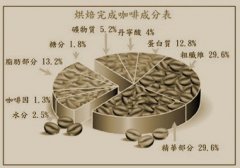
Roasting finished coffee composition table
Caffeine: caffeine is the most eye-catching of all the ingredients in coffee. It belongs to a kind of phytoxanthin (animal muscle component). It has the same properties as theobromine contained in cocoa, green tea contains the same theophylline, and the percentage of reduction after baking is very small. Caffeine has a very wide range of effects. will affect the human brain, heart, blood vessels, gastrointestinal, muscle and kidney and other parts, the right amount of coffee
2014-07-04 Coffee ingredients roasted coffee beans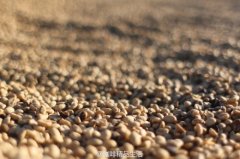
Basic knowledge of Fine Coffee beans
Caffeine: caffeine is the most eye-catching of all the ingredients in coffee. It is a kind of phytoxanthin (animal muscle component). It has the same properties as theobromine contained in cocoa, green tea contains the same theophylline, and the percentage of reduction after baking is very small. Caffeine has a very wide range of effects. will affect the human brain, heart, blood vessels, gastrointestinal, muscle and kidney and other parts, the right amount of caffeine
2014-12-29 Boutique coffee beans basics common sense ingredients caffeine coffee all medium
Several ingredients of coffee beans
Caffeine: caffeine is the most eye-catching of all the ingredients in coffee. It is a kind of phytoxanthin (animal muscle component). It has the same properties as theobromine contained in cocoa, green tea contains the same theophylline, and the percentage of reduction after baking is very small. Caffeine has a very wide range of effects. will affect the human brain, heart, blood vessels, gastrointestinal, muscle and kidney and other parts, the right amount of caffeine
2014-07-14 Coffee knowledge coffee ingredients coffee encyclopedia