“Cane” search results (1223)
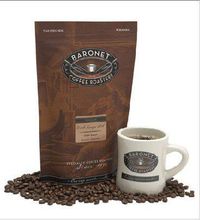
Fine Coffee Mocha Coffee Flavors Floral, Apple, Walnut, Sugar Cane
Mocha beans are smaller than most coffee beans, which makes them look like peas. In fact, peaberrybeans are sometimes referred to as mocha beans. Mocha coffee beans are similar in shape to Ethiopian Harrar coffee beans.
2016-05-13 boutique coffee mocha flavor floral apple walnut sugarcane
Boutique coffee Ethiopian coffee flavor floral, apple, walnut, sugar cane
The birthplace of coffee-Ethiopia. The coffee tree originated in Ethiopia, which was originally a wild plant here, and the name coffee comes from the Ethiopian town of Kaffa. In fact, many coffee trees in Ethiopia are still wild plants, and the coffee grown on this coffee tree is full-grained and slightly alcoholic. Humans may have been in the 9th century.
2016-05-20 Boutique coffee Ethiopia flavor flower fragrance apple walnut sugar cane
The basic knowledge of drinking Coffee what sugar is appropriate for drinking coffee
Sugar can be divided into white sugar, brown sugar and yellow sugar according to color. The difference in color is due to the different degree of removal of impurities in the sugar-making process. White sugar is refined sugar, the purity is generally more than 99%; yellow sugar contains a small amount of minerals and organic matter, so it has color; brown sugar is unrefined crude sugar, the color is very dark. Generally speaking, white sugar and yellow sugar are suitable for seasoning in coffee or black tea.
2015-01-30 Coffee basics common sense what appropriate sugar color divided into white sugar brown sugar
Fine Coffee Mocha Coffee Bean Flavors Floral, Apple, Walnut, Sugar Cane
Coffee beans from coffee's hometown. Yemen was known as Arabia until the 6th century AD, so coffee trees transported from Yemen to other places were also called Arabic coffee trees. But the origin of these trees is Ethiopia, and it was the Dutch who spread these coffee trees around the world. Dutch traders sailing east around the Cape Of Good Hope
2016-05-19 boutique coffee mocha coffee bean flavor floral apple walnut sugarcane
Fine Coffee Colombia Coffee Floral, Apple, Walnut, Sugar Cane
The world's largest producer of premium coffee! Coffee was first introduced to Colombia in 1808 by a priest from the French Antilles via Venezuela. Today the country is the second largest producer after Brazil, with an annual output of 13 million bags of 60 kg each, compared with Brazil's
2016-05-20 Boutique Coffee Colombia Flavor Floral Apple Walnut Sugar cane
Boutique coffee Colombian coffee flavor floral, apple, walnut, sugar cane
The largest producer of quality coffee in the world! The traditional deep-roasted coffee has a strong and memorable flavor. In 1808, coffee was first introduced to Colombia, which was brought by a priest from the French Antilles via Venezuela. Today, the country is the second largest producer after Brazil, with an annual output of 13 million bags of 60 kg each.
2016-05-18 Boutique coffee Columbia flavor flower scent apple walnut sugar cane
Boutique coffee Colombian coffee flavor floral, apple, walnut, sugar cane
The largest producer of quality coffee in the world! The traditional deep-roasted coffee has a strong and memorable flavor. In 1808, coffee was first introduced to Colombia, which was brought by a priest from the French Antilles via Venezuela. Today, the country is the second largest producer after Brazil, with an annual output of 13 million bags of 60 kg each.
2016-05-19 Boutique coffee Columbia flavor flower scent apple walnut sugar cane
Boutique coffee Colombian coffee flavor floral, apple, walnut, sugar cane
The largest producer of quality coffee in the world! The traditional deep-roasted coffee has a strong and memorable flavor. In 1808, coffee was first introduced to Colombia, which was brought by a priest from the French Antilles via Venezuela. Today, the country is the second largest producer after Brazil, with an annual output of 13 million bags of 60 kg each.
2016-05-12 Boutique coffee Columbia flavor flower scent apple walnut sugar cane
Boutique coffee Colombian coffee flavor floral, apple, walnut, sugar cane
The largest producer of quality coffee in the world! The traditional deep-roasted coffee has a strong and memorable flavor. In 1808, coffee was first introduced to Colombia, which was brought by a priest from the French Antilles via Venezuela. Today, the country is the second largest producer after Brazil, with an annual output of 13 million bags of 60 kg each.
2016-05-17 Boutique coffee Columbia flavor flower scent apple walnut sugar cane
Boutique coffee Colombian coffee flavor floral, apple, walnut, sugar cane
The largest producer of quality coffee in the world! The traditional deep-roasted coffee has a strong and memorable flavor. In 1808, coffee was first introduced to Colombia, which was brought by a priest from the French Antilles via Venezuela. Today, the country is the second largest producer after Brazil, with an annual output of 13 million bags of 60 kg each.
2016-05-19 Boutique coffee Columbia flavor flower scent apple walnut sugar cane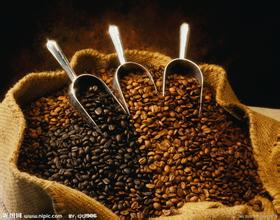
Boutique coffee Colombian coffee flavor floral, apple, walnut, sugar cane
The largest producer of quality coffee in the world! The traditional deep-roasted coffee has a strong and memorable flavor. In 1808, coffee was first introduced to Colombia, which was brought by a priest from the French Antilles via Venezuela. Today, the country is the second largest producer after Brazil, with an annual output of 13 million bags of 60 kg each.
2016-05-19 Boutique coffee Columbia flavor flower scent apple walnut sugar cane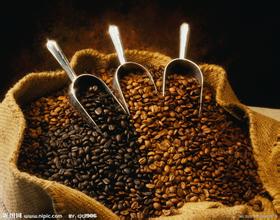
Boutique coffee Colombian coffee flavor floral, apple, walnut, sugar cane
The largest producer of quality coffee in the world! The traditional deep-roasted coffee has a strong and memorable flavor. In 1808, coffee was first introduced to Colombia, which was brought by a priest from the French Antilles via Venezuela. Today, the country is the second largest producer after Brazil, with an annual output of 13 million bags of 60 kg each.
2016-05-20 Boutique coffee Columbia flavor flower scent apple walnut sugar cane
Starting with coffee beans (6)-- America-Guadeloupe
Good coffee production has been affected by natural disasters this group of islands in the Caribbean used to be an important producer of coffee. In 1789, more than 1 million coffee trees on 500 hectares of land produced 4000 tons. Today, only 150 hectares of land is used to grow coffee. This decline can be attributed to the increase in sugar cane and banana production and Hurricane Hurricane Ines in 1996.
2014-06-12 Coffee beans Guadeloupe America
Coffee producing area-Guadeloupe
Good coffee production has been affected by natural disasters this group of islands in the Caribbean used to be an important producer of coffee. In 1789, more than 1 million coffee trees on 500 hectares of land produced 4000 tons. Today, only 150 hectares of land is used to grow coffee. This decline can be attributed to the increase in sugar cane and banana production and Hurricane Hurricane Ines in 1996.
2014-08-21 Coffee knowledge Guadeloupe introduction to coffee beans
Guadeloupe, a global coffee producer
Guadelope, the global coffee producer, these islands in the Caribbean used to be an important producer of coffee. In 1789, more than 1 million coffee trees on 500 hectares of land produced 4000 tons. Today, only 150 hectares of land is used to grow coffee. This decline can be attributed to the increase in sugar cane and banana production and the impact of Hurricane Hurrlcane Ines on coffee trees in 1996.
2014-09-10 Global coffee producing area Guadeloupe
Coffee beans American Guadeloupe
Good coffee production has been affected by natural disasters this group of islands in the Caribbean used to be an important producer of coffee. In 1789, more than 1 million coffee trees on 500 hectares of land produced 4000 tons. Today, only 150 hectares of land is used to grow coffee. This decline can be attributed to the increase in sugar cane and banana production and Hurricane Hurricane Ines in 1996.
2014-09-22 Coffee beans America Guadeloupe
Guadeloupe Guadeloupe, the world coffee producer
Good coffee production has been affected by natural disasters this group of islands in the Caribbean used to be an important producer of coffee. In 1789, more than 1 million coffee trees on 500 hectares of land produced 4000 tons. Today, only 150 hectares of land is used to grow coffee. This decline can be attributed to the increase in sugar cane and banana production and Hurricane Hurricane Ines in 1996.
2014-09-28 Coffee knowledge coffee origin Guadeloupe
Coffee production Coffee introduction Guadeloupe Coffee
Good coffee production has been affected by natural disasters this group of islands in the Caribbean used to be an important producer of coffee. In 1789, more than 1 million coffee trees on 500 hectares of land produced 4000 tons. Today, only 150 hectares of land is used to grow coffee. This decline can be attributed to the increase in sugar cane and banana production and the impact of Hurricane HurricaneInes in 1996.
2014-11-05 Coffee knowledge coffee origin coffee introduction Guadeloupe coffee
Used to be an important coffee producer Guadeloupe
Good coffee production affected by natural disasters This group of islands in the Caribbean used to be an important source of coffee. In 1789, more than 1 million coffee trees on 500 hectares produced 4000 tons, while today only 150 hectares are used for coffee cultivation. This decline can be attributed to increased sugar cane and banana production and Hurricane Ines in 1996.
2014-11-18 Coffee Knowledge Coffee Origin Guadeloupe
Brazil's sugarcane and coffee growing areas may be hit by drought in March next year
According to foreign news on December 18, Brazilian weather service Somar said in a report on Thursday that sugar cane and coffee growing areas in southern Brazil may be hit by drought in March next year. Abundant rainfall is expected in south-central Brazil in January, but it is more irregular, and northeastern Brazil is generally dry in the next 30 days, the report said.
2014-12-22 Brazil sugar cane coffee growing areas next year March suffered drought invasion foreign electricity