“Brazilians” search results (124)

Rio de Janeiro and Brazilian cafezinho
With the 2014 World Cup settled, Rio de Janeiro spent several sleepless nights with its buddies during this warm midsummer, and the next close contact with Rio may not be until the 2016 Summer Olympic Games. Rio Janeiro Rio de Janeiro is not only the name of a famous city in Brazil, but also the name of a state. Rio de Janeiro, Brazil
2014-09-03 Brazil boutique coffee beans
Brazilian Santos: a Hermit in the Coffee Kingdom
Brazilian Santos belongs to neutral beans. Coffee has moderate aroma, acid and alcohol, low bitterness and is famous for its smooth taste. It is mild, slightly sour, smooth and round in the mouth, smooth but has a good return to sweet taste.
2014-07-03 Brazilian coffee beans coffee kingdom Brazilian boutique coffee beans
A hermit in the Brazilian Santos coffee kingdom.
Origin: Brazilian grade: good granule: relatively full acidity: slight acid uniformity: stable roasting: low to deep flavor: neutral beans, low acid, smooth and round Brazil grows Arabica and Robusta coffee, but mainly Arabica coffee, mostly dried. There are about 3.97 billion coffee trees in Brazil, and the number of people engaged in coffee production is elder brother
2014-09-29 Coffee knowledge Brazilian coffee coffee kingdom
A hermit in the Brazilian Santos coffee kingdom.
Origin: Brazilian grade: good granule: relatively full acidity: slight acid uniformity: stable roasting: low to deep flavor: neutral beans, low acid, smooth and round Brazil grows Arabica and Robusta coffee, but mainly Arabica coffee, mostly dried. There are about 3.97 billion coffee trees in Brazil, and the number of people engaged in coffee production is elder brother
2014-11-20 Coffee knowledge Brazilian coffee coffee kingdom
Brazilian Santos: a Hermit in the Coffee Kingdom
Origin: Brazilian grade: good granule: relatively full acidity: slight acid uniformity: stable roasting: low to deep flavor: neutral beans, low acid, smooth and round Brazil grows Arabica and Robusta coffee, but mainly Arabica coffee, mostly dried. There are about 3.97 billion coffee trees in Brazil, and the number of people engaged in coffee production is elder brother
2015-09-12 Xishan Doshi Coffee Kingdom medium Hermit Origin Brazil Grade good
Introduction to the Flavor and Taste characteristics of Brazilian Coffee
Brazilian coffee was introduced from French Guiana in 1729. It is true that intensive farming, changing treatment methods and improving the technical content of planting can improve the quality of coffee to some extent, but in any case, the natural conditions of Brazil cannot be compared with those of some regions that produce the world's top coffee. Because although Brazil has better soil conditions and humid climate, it is not high above sea level.
2016-08-01 Brazil coffee flavor taste characteristics introduction boutique coffee beans origin
A hermit in the coffee kingdom of Brazil.
Origin: Brazilian grade: good granule: relatively full acidity: slight acid uniformity: stable roasting: low to deep flavor: neutral beans, low acid, smooth and round Brazil grows Arabica and Robusta coffee, but mainly Arabica coffee, mostly dried. There are about 3.97 billion coffee trees in Brazil, and the number of people engaged in coffee production is elder brother
2014-12-28 America Xishan du Shi Coffee Kingdom medium Hermit Origin Brazil Grade
A hermit in Brazil's boutique coffee kingdom.
Origin: Brazilian grade: good granule: relatively full acidity: slight acid uniformity: stable roasting: low to deep flavor: neutral beans, low acid, smooth and round Brazil grows Arabica and Robusta coffee, but mainly Arabica coffee, mostly dried. There are about 3.97 billion coffee trees in Brazil, and the number of people engaged in coffee production is elder brother
2015-10-13 Xishan Doshi boutique coffee kingdom medium hermit origin Brazil grade
A hermit in the coffee kingdom of Brazilian Santos coffee beans.
Origin: Brazilian grade: good granule: relatively full acidity: slight acid uniformity: stable roasting: low to deep flavor: neutral beans, low acid, smooth and round Brazil grows Arabica and Robusta coffee, but mainly Arabica coffee, mostly dried. There are about 3.97 billion coffee trees in Brazil, and the number of people engaged in coffee production is elder brother
2014-11-11 Coffee knowledge Brazil Sandoz coffee beans
Flavor and taste manor in Costa coffee producing area introduction to Fire Phoenix Manor
Compared with other high-altitude raw beans, the raw beans of Catuai are relatively soft, sweet and less sour. Kaduai was formerly known as Kaddura. Because Kaddura has a large output and is not easy to suffer from insect pests, but its taste is not clean enough and its flavor is not good enough, the Brazilians hybridized with Mondu Novo on the basis of Kaddura to produce new varieties and name cards.
2016-07-15 Goss Dali Coffee producing area Flavor Taste Manor introduction Fire Phoenix Kadu
A hermit in the Brazilian Santos coffee kingdom.
Xishan Dushi is a neutral bean. The aroma, acidity and alcohol of the coffee are moderate, and the bitterness is low. It is famous for its smooth taste. It is mild, slightly sour, smooth and round in the mouth, smooth but has a good return to sweet taste. Origin: Brazilian grade: good granules: relatively full acidity: slightly acid uniformity: stable baking: low to deep flavor: neutral beans, low acid, smooth and round taste
2014-10-17 Coffee knowledge Brazilian coffee Sandoz coffee
Taste characteristics and Flavor description of Coffee Bean varieties in Santos, Brazil
Origin: Brazilian grade: good granule: relatively full acidity: slight acid uniformity: stable roasting: low to deep flavor: neutral beans, low acid, smooth and round Brazil grows Arabica and Robusta coffee, but mainly Arabica coffee, mostly dried. There are about 3.97 billion coffee trees in Brazil, and the number of people engaged in coffee production is elder brother
2015-06-01 Xishan Doshi Coffee Kingdom medium Hermit Origin Brazil Grade good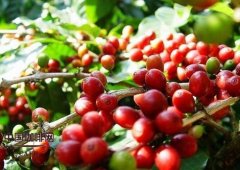
Brazilian coffee making technology Brazilian coffee beans
Let's talk about desizing. The desizing method was introduced to Brazil 25 years ago by Pinhalense, a well-known machinery and equipment manufacturer. Desizing is the second most popular way to treat raw coffee beans in Brazil, and Brazilians like to call it Cereja Descascado (Descascado means peeling, Cereja means fruit). In Central American countries, desizing is also known as honey treatment. In
2016-05-30 Brazil coffee production craftsmanship coffee beans let's say desizing was in years ago.
Top 5 Coffee Chain Coffee Brands in the World
Coffee is the most popular drink in the world, with about 2.25 billion cups of coffee consumed worldwide every day, making it one of the most important commodities in the world. Brazil is the world's largest producer of green coffee beans, with more than 5 million Brazilians engaged in coffee-related industries. In the Western world, 80% of hot drink sales at many local restaurants and convenience stores come from coffee. Although global coffee demand is not
2015-03-31 global top five coffee chain brand presentation top line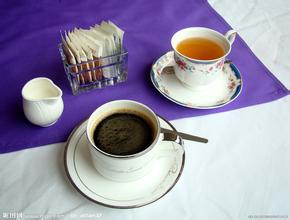
Flavor and taste characteristics of Brazilian Santos coffee beans an introduction to the manor production area described by Sidamo
Brazilian coffee was introduced from French Guiana in 1729. It is true that intensive farming, changing treatment methods and improving the technical content of planting can improve the quality of coffee to some extent, but in any case, the natural conditions of Brazil cannot be compared with those of some regions that produce the world's top coffee. Because although Brazil has better soil conditions and humid climate, it is not high above sea level.
2016-10-24 Brazil Doss coffee beans flavor taste characteristics Dharma description manor region
Introduction of the chain stores of the top five coffee brands in the world
Photo: Huang Wei Coffee is the most popular drink in the world. at present, the world consumes about 2.25 billion cups of coffee a day, making it one of the most important commodities in the world. Brazil is the world's largest producer of raw coffee beans, with more than 5 million Brazilians working in the coffee-related industry. In the western world, coffee accounts for 80% of hot drink sales in many local restaurants and convenience stores. Although coffee from all over the world
2015-07-06 Global top five coffee brand chain store introduction Huang Wei global best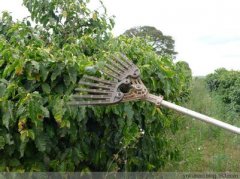
Knapsack coffee picker
Brazil is a country that is good at invention and creation. It has invented a lot of machines in coffee production, which has led to the development of mechanization of coffee production all over the world.
2014-07-09 Coffee supplies coffee pickers coffee machines
Classification of raw coffee beans
According to the origin of coffee beans can be divided into four categories: according to the above map, you can get a general idea of the distribution of these four kinds of coffee. Colombian moderates (Colombian Milds): including Colombia, Kenya and Tanzania, all coffee beans are washed. Other moderates (Other Milds): also known as centrists, including most Central American countries and Mexico
2014-09-12 Coffee knowledge coffee raw beans coffee bean classification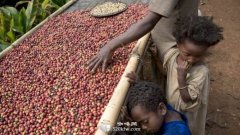
Emerging countries account for 20% of the world's coffee consumption.
According to Brazil's "World wide Web", emerging countries represented by China, Brazil, Russia, India and South Africa currently consume 20% of the world's coffee, which will reach 35% by 2020. According to analysis, the increase of the middle class in these countries is an important factor driving the growth of coffee consumption.
2014-07-16 Coffee news coffee consumption emerging coffee coffee countries
Brazil Brazil, a world coffee producer
Brazil is famous all over the world for its high quality and strong taste of coffee. It is the largest coffee producer and exporter in the world and is known as the coffee kingdom. Coffee originated in Ethiopia in Africa and was introduced into Brazil in 1727. Brazil is located in the southeast of South America, located in the tropics and subtropics, the unique geographical and climatic conditions are suitable for growing coffee, coupled with cheap labor, coffee growing industry is booming. one
2014-09-28 Coffee knowledge coffee producing countries Brazilian coffee