“Allah” search results (144)
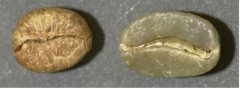
Boutique coffee robusta coffee beans compared to Elaraby plus coffee beans
Robusta coffee beans (Coffea canephora robusta variety) and Elaraby plus coffee beans (Coffea arabica) are commonly used by ordinary coffee bean manufacturers, and the taste of the two coffee beans will be different with different proportions. And what are the characteristics of these two kinds of coffee beans? The area where Robusta grows is 0800 meters above sea level, with a temperature of 1836 ℃ and an annual precipitation of 2200.
2015-01-23 Boutique Coffee Robbs Booth Coffee beans contrast Allah Biga
Robusta coffee beans compared to Elaraby plus coffee beans
Robusta coffee beans (Coffea canephora robusta variety) and Elaraby plus coffee beans (Coffea arabica) are commonly used by ordinary coffee bean manufacturers, and the taste of the two coffee beans will be different with different proportions. And what are the characteristics of these two kinds of coffee beans? The area where Robusta grows is 0800 meters above sea level, with a temperature of 1836 ℃ and an annual precipitation of 2200.
2015-04-11 Robes Booth Coffee Bean contrast Allah Biga Robbs
Introduction of Bolivian coffee planting areas planted at an altitude of 180,670 meters above sea level
In the past, coffee trees in Bolivia used to act as hedges and ornaments around the garden. Real commercial production began in the early 1950s. The great frost of 1957 seriously damaged Brazil's coffee industry, while Bolivia (Bolivia) benefited from it and developed rapidly. Bolivian coffee is grown at an altitude of 180,670 meters above sea level, including Allah.
2016-06-23 Altitude 180670 m altitude planting Bolivia coffee region medium
Coffee and the Pope?
From the 15th century coffee was grown extensively in Arabia, and the whole Muslim world enjoyed this so-called "gift of God." More and more Europeans exploring Arabia in the Middle East are curious and documenting the coffee story. Slowly Venetian merchants began to think about coffee re-export business.
2014-08-14 Coffee culture Coffee Pope Coffee encyclopedia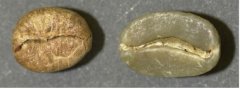
The difference between Robusta Coffee beans and Elaraby plus Coffee beans
Robusta coffee beans (Coffea canephora robusta variety) and Elaraby plus coffee beans (Coffea arabica) are commonly used by ordinary coffee bean manufacturers, and the taste of the two coffee beans will be different with different proportions. And what are the characteristics of these two kinds of coffee beans? The area where Robusta grows is 0800 meters above sea level, with a temperature of 1836 ℃ and an annual precipitation of 2200.
2015-10-24 Robes Booth Coffee beans Allah Biga difference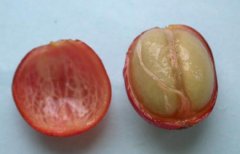
Arab magic "black water" black coffee
In the eighth century AD, a magical black water known as Qahwa was circulating in Arabia, which was said to restore strength, energy and no drowsiness. Avicina Ibn Sina (980-1037), a 10th-century Muslim philosopher and famous Iranian doctor, recorded a plant from Yemen called Bunchum, which is said to be something similar to coffee. as early as
2015-06-12 arabic human magic black water coffee ad eighth century arabia peninsula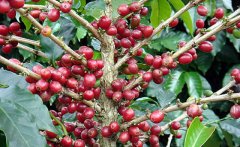
Zaire coffee and its Arabica coffee beans have long been famous for both quality and quantity.
Zaire's Arabica coffee beans have long been famous for both quality and quantity. The best Zaire coffee is grown in the north-east of the country, particularly in the provinces of Oriental and Kivu, where in the past excellent beans and giant beans have been produced. Unfortunately, the high-quality coffee produced in Zaqire is dwindling, but
2016-05-18 Zaire coffee Arabica coffee beans quality and quantity famous for a long time Allah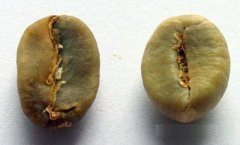
What's the difference between robusta coffee beans and Elaraby plus coffee beans?
Robusta coffee beans (Coffea canephora robusta variety) and Elaraby plus coffee beans (Coffea arabica) are commonly used by ordinary coffee bean manufacturers, and the taste of the two coffee beans will be different with different proportions. And what are the characteristics of these two kinds of coffee beans? The area where Robusta grows is 0800 meters above sea level, with a temperature of 1836 ℃ and an annual precipitation of 2200.
2015-03-16 Robes Booth Coffee beans contrast Allah Biga what different Robbins
Basic knowledge of Magic "Blackwater" Fine Coffee Culture
In the eighth century AD, there was a magical black water called Qahwa in the Arabian Peninsula, which was said to restore physical strength, exuberance, and no sense of purpose. The tenth century Muslim philosopher and Iranian doctor Avicina Ibn Sina,980-1037 recorded a plant from Yemen called Bunchum, which is said to be something like coffee. As early as
2015-07-29 Magic Blackwater boutique coffee culture basics common sense AD eighth century Arabia
Coffee and the Pope
From the 15th century coffee was grown in great quantities in Arabia, and the whole Muslim world enjoyed this so-called gift of God. More and more Europeans exploring Arabia in the Middle East are curious and documenting the coffee story. Slowly Venetian merchants began to think about coffee re-export business. However, the Arabs were wary at first. After all, this was their divine fruit.
2014-05-21 Coffee culture Pope Coffee beans
The spread of Coffee the basic knowledge of Coffee
1. Coffee was introduced into Europe in the 16th century, and coffee attracted the attention of European countries in the name of Arabic wine. In the middle of the 17th century, coffee became popular in Europe. 2. When coffee was introduced into Asia in 1600, Baba Budan, a Muslim, successfully smuggled seven seeds on his belly and planted them for trial in the mountains of Mysore in southern India without large-scale cultivation. sixteen
2015-01-29 Coffee communication boutique basics coffee introduction Europe 16th century Allah
Mindanao, the second largest island in the southernmost part of the Philippines, produces high quality and high yield Arabica coffee.
Coffee was introduced into the Philippines (Philippines) in the early 19th century, and by 1880 the country had become the fourth largest coffee exporter in the world. However, due to the spread of coffee rust, the country became a coffee importer shortly after 1880. However, the coffee growing industry has gradually recovered. Today, after slow and steady development, the country's coffee industry continues to grow and develop quality.
2016-05-19 Philippines southernmost second Big Island Mindanao production high quality high yield Allah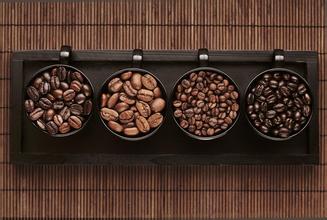
Varieties of coffee beans, varieties of coffee cherries
Varieties of coffee cherries: Elaraby, Libiga, and Romsta varieties of coffee beans: blue Mountain, Mocha, Santos, Colombia, Mantelin, Guatemala, Romsda Coffee is a small shrub that grows in cold depressions, its fruit is white or yellow, and the outer seeds are what we call coffee beans. At present, there are about 66 species in the world.
2016-05-24 Coffee beans varieties coffee cherries Allah Bela
Introduction of coffee, coffee and bean producing countries in Uganda
In Uganda (Uganda), Arabica coffee beans account for only 10 per cent of the country's total coffee production, but it is enough to attract attention. Uganda's best coffee is mainly produced in the mountains of Elgon and Bugisu along the Kenyan border in the north and Ruwensori in the west, and is available for export in January or February of each year. Red
2015-04-15 Uganda coffee coffee beans producing country introduction Allah
Bolivian Coffee Manor introduces Yongas Fine Coffee in the Northeast of La Paz
In the past, coffee trees in Bolivia used to act as hedges and ornaments around the garden. Real commercial production began in the early 1950s. The coffee industry in Brazil was badly damaged by the great frost in 1957, while Bolivia (Bolivia) benefited and developed rapidly. Bolivian coffee is grown at an altitude of 180,670 meters above sea level, including Allah.
2016-07-02 Bolivia Coffee Manor producing area introduction Snow vein La Paz Northeast Garth
Bolivian Coffee Manor introduces Yongas Fine Coffee in the Northeast of La Paz
In the past, coffee trees in Bolivia used to act as hedges and ornaments around the garden. Real commercial production began in the early 1950s. The coffee industry in Brazil was badly damaged by the great frost in 1957, while Bolivia (Bolivia) benefited and developed rapidly. Bolivian coffee is grown at an altitude of 180,670 meters above sea level, including Allah.
2016-07-02 Bolivia Coffee Manor producing area introduction Snow vein La Paz Northeast Garth
Africa-the Origin of Coffee
The world's first coffee tree was found in the Horn of Africa. Local indigenous tribes often grind the fruit of coffee and knead it with animal fat to make many ball-shaped balls. These indigenous tribes use these coffee balls as precious food for soldiers who are about to go out to battle. Sometimes, people don't understand how coffee credits show excitement.
2014-08-04 Africa coffee origin the land of the world one is in the Horn of Africa.
Africa is where coffee originated.
The first coffee tree was discovered in the Horn of Africa. Local indigenous tribes often grind the fruit of coffee and knead it with animal fat to make many spherical balls. These indigenous tribes treat these coffee balls as precious food for those who are about to go to war. Sometimes, people don't understand why coffee credit-takers show excitement.
2015-01-30 coffee foundation history development africa origin place of origin world one plant
The place of origin of coffee
The world's first coffee tree was found in the Horn of Africa. Local indigenous tribes often grind the fruit of coffee and knead it with animal fat to make many ball-shaped balls. These indigenous tribes use these coffee balls as precious food for soldiers who are about to go out to battle. Sometimes, people don't understand how coffee credits show excitement.
2014-08-07 Coffee culture origin of coffee place of origin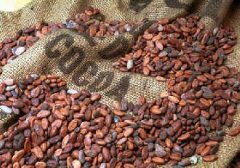
The basic knowledge of the History of Coffee cultivation
In fact, the Arabs began to grow coffee in 525 BC, and chewing fried coffee beans became popular in the Arab region. In 890 AD, Arab merchants sold coffee beans to Yemen, and Yemenis made coffee beans into drinks for the first time. In the 15th century, coffee was introduced into Europe, Asia and soon into America. By the 18th century, tropical and subtropical regions around the world were widespread.
2015-03-20 Planting coffee history basics common sense actually 525 BC Allah.