“Alcohol lamp” search results (300)

Coffee knowledge teaches you how to make Irish coffee
Raw materials: Irish Whiskey (replace it with other spirits if not), granulated sugar, a cup of freshly ground coffee (preferably freshly ground), cream, flower bag tools: Irish coffee cup, alcohol lamp (for baking cups) practice 1, pour a tablespoon of sugar, half an ounce to an ounce of Irish Whiskey into the Irish cup, over the line under the coffee cup. 2. Light the alcohol lamp
2015-03-03 Coffee knowledge teach you how to make Ireland materials raw materials Wei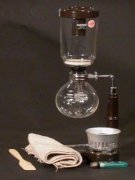
Siphon coffee pot coffee brewing method siphon coffee brewing
[Parts Description]"Lower Seat": The round glass ball below has a scale to write a few cups of water injection. You can refer to this scale for water injection. "Upper seat": The upper cylindrical glassware through which water enters the upper pot during brewing. "Filter": a circular iron ring wrapped with a filter cloth, below which there is a spring with an iron hook connected
2015-11-05 siphon coffee pot coffee method brew parts brief description bottom seat bottom round
Siphon making method one two coffee from when popular in China simple and easy to use brewing
1. Put the siphon pot into the right amount of water, it is recommended to use hot water, because the standard alcohol lamp of the siphon pot heats a pot of cold water for about 10 minutes, which takes more time. 2. Dry the lower pot, put the filter cloth into the bottom of the upper pot and fix the hook at the bottom of the filter cloth on the pipe at the bottom of the upper pot, and fill the coffee powder. 3. Insert the upper pot into the lower pot, light the alcohol lamp, pay attention to the siphon of the upper pot
2016-04-18 siphoning making method coffee when in china simple good used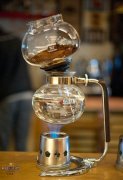
Siphon coffee maker (Syphon)
Siphon coffee pot, also known as Syphon. It was developed by Robert, an engineer of the Scottish Navy. Robert Napier invented it in 1840. Although the siphon coffee pot is called the siphon pot, it has nothing to do with the siphon principle. Instead, it uses water heating to produce water vapor, which causes the principle of hot expansion and cold contraction. It pushes the hot water from the lower seat to the upper pot, and produces negative after the next pot cools.
2014-08-29 Siphon coffee maker coffee encyclopedia
About the siphon coffee maker
Siphon coffee pot, also known as Syphon. It was developed by Robert, an engineer of the Scottish Navy. Robert Napier invented it in 1840. Although the siphon coffee pot is called "siphon pot", it has nothing to do with the siphon principle, but uses water heating to produce water vapor, resulting in the principle of hot expansion and cold contraction, pushing the hot water from the lower seat to the upper pot and waiting for the next pot to cool.
2014-08-11 Coffee knowledge siphon pot coffee machine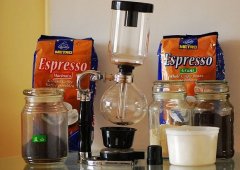
Jamaica Blue Mountain Coffee Bean Blue Mountain Flavor Coffee DIY Blending Coffee Bean Scheme
Tools and raw materials: add coffee powder; add purified water; add alcohol lamp. Water boiled up: Distilled water rising mixed with coffee powder: stir with wooden spoon, boil for several minutes: remove alcohol lamp: top coffee all reflux: pour into cup add sugar, partner: a cup of fragrant blue mountain coffee:
2022-06-28 Blue Mountain Coffee DIY Blue Mountain Coffee Blue Mountain Coffee Making
Blue Mountain Coffee DIY tools and Raw Materials
Tools and raw materials: add coffee powder on top, pure water in medium, and alcohol lamp on top. The water is boiled up: the distilled water rises and mixes with the coffee powder: stir with a wooden spoon and boil for a few minutes: remove the alcohol lamp: all the upper coffee is refluxed: pour into the cup and add cube sugar, companion: a cup of fragrant blue mountain coffee:
2015-05-26 Blue Mountain Coffee DIY tools Raw Materials Coffee Powder medium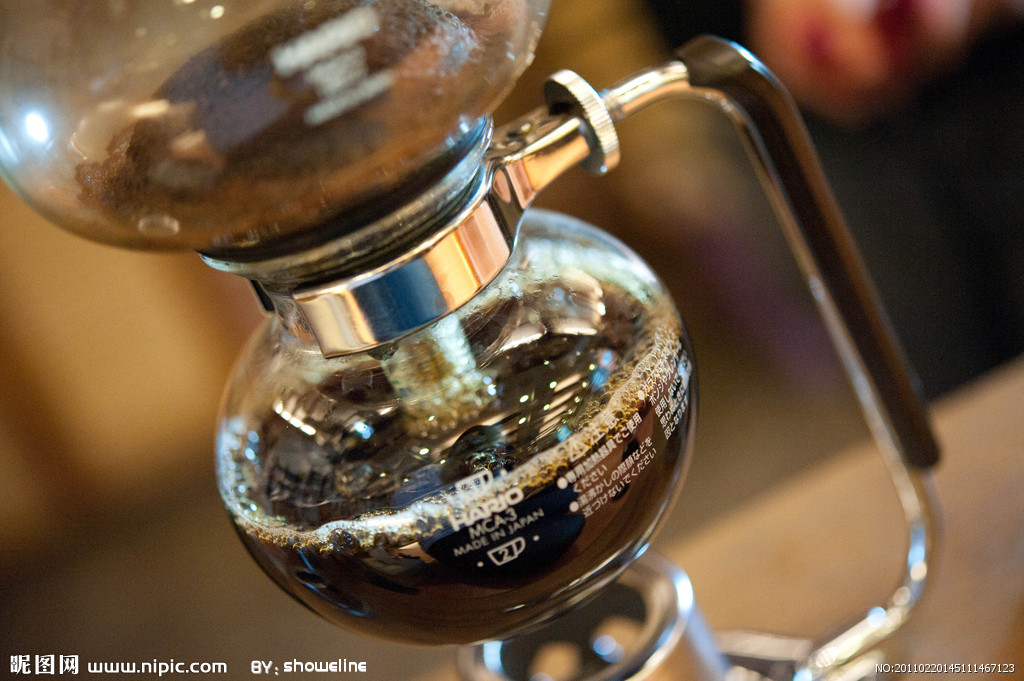
Look at the philosophy of life from coffee grinding!
Everyone who drinks coffee is different from others in size or size. Xiao Cafe tells you that you can see the philosophy of life by grinding coffee. Those who use siphon alcohol lamps are conservatives: have you ever seen the process of making coffee with siphon alcohol lamps? First, fill the bottom container with boiled water, then heat it with a small alcohol lamp, and then insert the funnel with filter paper (the upper half of the container)
2015-11-05 Coffee grinding life philosophy curry reading guide everyone coffee and others.
Coffee vessels introduce siphon coffee maker
Siphon coffee pot, also known as Syphon. It was developed by Robert, an engineer of the Scottish Navy. Robert Napier invented it in 1840. Although the siphon coffee pot is called the siphon pot, it has nothing to do with the siphon principle. Instead, it uses water heating to produce water vapor, which causes the principle of hot expansion and cold contraction. It pushes the hot water from the lower seat to the upper pot, and produces negative after the next pot cools.
2015-01-21 Coffee utensils introductions siphons coffee pots called stoppers
Coffee growing environment
Arabica scientific name: Coffea arabica family: Rubiaceae coffee morphological characteristics: small trees or large shrubs, plant height 5~8 meters. Base usually much branched, older branches gray. nodes dilated, young branches glabrous. Leaves thin leathery ovate-lanceolate or lanceolate, apex long acuminate, base cuneate or slightly obtuse, entire or shallowly undulate, glabrous on both sides. Cymes several clustered in leaf axils
2014-08-08 Coffee knowledge Arabica coffee Coffee encyclopedia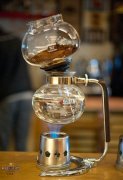
Hand coffee brewing skills siphon coffee pot brewing coffee
Siphon coffee pot, also known as Syphon. It was developed by Robert, an engineer of the Scottish Navy. Robert Napier invented it in 1840. Although the siphon coffee pot is called the siphon pot, it has nothing to do with the siphon principle. Instead, it uses water heating to produce water vapor, which causes the principle of hot expansion and cold contraction. It pushes the hot water from the lower seat to the upper pot, and produces negative after the next pot cools.
2015-01-29 Hand brewing coffee technique siphon coffee maker brewing coffee pot called plug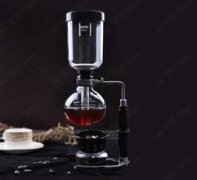
Siphon coffee maker (Syphon) is also known as plug pot.
Siphon coffee pot, also known as Syphon. It was developed by Robert, an engineer of the Scottish Navy. Robert Napier invented it in 1840. Although the siphon coffee pot is called the siphon pot, it has nothing to do with the siphon principle. Instead, it uses water heating to produce water vapor, which causes the principle of hot expansion and cold contraction. It pushes the hot water from the lower seat to the upper pot, and produces negative after the next pot cools.
2015-04-23 Siphon coffee pot Syphon called plug wind pot siphon
Growth Environment and brewing of small Coffee
Small grain coffee scientific name: Coffea arabica family genus: Rubiaceae coffee genus morphological characteristics: small trees or large shrubs, plant height 5 meters 8 meters. Base usually much branched, old branches gray-white. Nodes inflated, young branches glabrous. Leaves thinly leathery-ovate-lanceolate or lanceolate, apex long acuminate, base cuneate or slightly obtuse, entire or shallowly wavy, both surfaces glabrous. Cymes several clustered in leaf axils
2015-04-28 Small grains coffee growth environment brewing small grains scientific name Coffea
The introduction and source of small coffee novice must see
Arabica scientific name: Coffea arabica family: Rubiaceae coffee morphological characteristics: small trees or large shrubs, plant height 5~8 meters. Base usually much branched, older branches gray. nodes dilated, young branches glabrous. Leaves thin leathery ovate-lanceolate or lanceolate, apex long acuminate, base cuneate or slightly obtuse, entire or shallowly undulate, glabrous on both sides. Cymes several clustered in leaf axils
2015-11-24 Arabica Coffee Introduction Origin Beginners Must-See Scientific Name Cof
Yunnan coffee common sense coffee growing environment and brewing
Arabica scientific name: Coffea arabica family: Rubiaceae coffee morphological characteristics: small trees or large shrubs, plant height 5~8 meters. Base usually much branched, older branches gray. nodes dilated, young branches glabrous. Leaves thin leathery ovate-lanceolate or lanceolate, apex long acuminate, base cuneate or slightly obtuse, entire or shallowly undulate, glabrous on both sides. Cymes several clustered in leaf axils
2015-02-07 Yunnan coffee common sense small grains growth environment brewing scientific name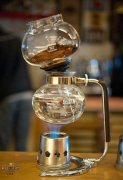
Siphon Coffee Pot (Syphon) to plug the air pot to make coffee
Siphon coffee pot, also known as Syphon. It was developed by Robert, an engineer of the Scottish Navy. Robert Napier invented it in 1840. Although the siphon coffee pot is called the siphon pot, it has nothing to do with the siphon principle. Instead, it uses water heating to produce water vapor, which causes the principle of hot expansion and cold contraction. It pushes the hot water from the lower seat to the upper pot, and produces negative after the next pot cools.
2015-10-19 Siphon coffee maker Syphon stopper coffee step siphon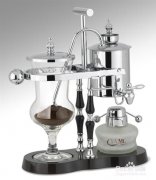
The operation method of siphon coffee pot introduces the technology of brewing coffee in air stopper.
Siphon coffee pot, also known as Syphon. It was developed by Robert, an engineer of the Scottish Navy. Robert Napier invented it in 1840. Although the siphon coffee pot is called the siphon pot, it has nothing to do with the siphon principle. Instead, it uses water heating to produce water vapor, which causes the principle of hot expansion and cold contraction. It pushes the hot water from the lower seat to the upper pot, and produces negative after the next pot cools.
2015-11-07 Siphon coffee maker operation method introduction stopper coffee technology siphon
Common sense of Chinese Coffee growth Environment and brewing of small Coffee
Small grain coffee scientific name: Coffea arabica family genus: Rubiaceae coffee genus morphological characteristics: small trees or large shrubs, plant height 5 meters 8 meters. Base usually much branched, old branches gray-white. Nodes inflated, young branches glabrous. Leaves thinly leathery-ovate-lanceolate or lanceolate, apex long acuminate, base cuneate or slightly obtuse, entire or shallowly wavy, both surfaces glabrous. Cymes several clustered in leaf axils
2014-12-01 China coffee common sense small grain growth environment brewing scientific name
General knowledge of fine coffee the growing environment of small-grain coffee
Small grain coffee scientific name: Coffea arabica family genus: Rubiaceae coffee genus morphological characteristics: small trees or large shrubs, plant height 5 meters 8 meters. Base usually much branched, old branches gray-white. Nodes inflated, young branches glabrous. Leaves thinly leathery-ovate-lanceolate or lanceolate, apex long acuminate, base cuneate or slightly obtuse, entire or shallowly wavy, both surfaces glabrous. Cymes several clustered in leaf axils
2015-01-19 Boutique coffee common sense small grain growth environment scientific name Cof
Common sense of Coffee beans in Yunnan growth Environment and brewing of small Coffee
Small grain coffee scientific name: Coffea arabica family genus: Rubiaceae coffee genus morphological characteristics: small trees or large shrubs, plant height 5 meters 8 meters. Base usually much branched, old branches gray-white. Nodes inflated, young branches glabrous. Leaves thinly leathery-ovate-lanceolate or lanceolate, apex long acuminate, base cuneate or slightly obtuse, entire or shallowly wavy, both surfaces glabrous. Cymes several clustered in leaf axils
2015-03-10 Yunnan coffee beans common sense small grains coffee growth environment brewing