“AFRICA” search results (8754)

Africa-the Origin of Coffee
The world's first coffee tree was found in the Horn of Africa. Local indigenous tribes often grind the fruit of coffee and knead it with animal fat to make many ball-shaped balls. These indigenous tribes use these coffee balls as precious food for soldiers who are about to go out to battle. At that time, people did not understand how coffee eaters showed hyperactivity.
2014-05-28 Coffee culture coffee origin African coffee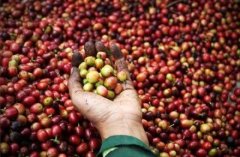
Amazing common sense of mocha boutique coffee
More than a hundred years ago, the outward transportation industry did not flourish throughout the coffee countries in Central and East Africa. Yemeni Mocha was a major export port near the Red Sea at that time. Most of the coffee produced in Africa was first transported to the Yemeni port of Mocha and then exported to Europe. Today, a hundred years later, African coffee countries have gradually developed their own export ports and are no longer dependent on the port of Mocha.
2015-02-12 Amazing mocha coffee boutique common sense a hundred years ago one
Ugandan Coffee Flavor Ugandan Coffee Taste introduction to Ugandan coffee producing areas
Uganda's coffee production ranks first in Africa, accounting for more than 70% of its total exports. Uganda is also the hometown and main producing area of Robes specialty coffee. In the 1960s, Ugandan coffee production remained at 3.5 million bags a year. By the mid-1980s, coffee production had dropped to 2.5 million bags a year, mainly for political reasons. But now coffee production is on the rise again, which is large at present.
2016-07-27 Uganda coffee flavor taste introduction producing area output non-
Exquisite coffee beans, common sense, amazing mocha coffee.
More than a hundred years ago, the outward transportation industry did not flourish throughout the coffee countries in Central and East Africa. Yemeni Mocha was a major export port near the Red Sea at that time. Most of the coffee produced in Africa was first transported to the Yemeni port of Mocha and then exported to Europe. Today, a hundred years later, African coffee countries have gradually developed their own export ports and are no longer dependent on the port of Mocha.
2015-04-02 Boutique coffee beans common sense amazing mocha coffee a hundred years ago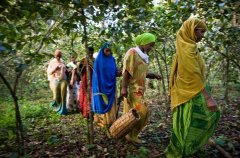
African Coffee: A Slow Journey to China
Coffee originated in Africa and is poorly understood. In fact, Africa Ethiopia is home to coffee and produces the best Arabica coffee in the world. Soil, climatic conditions and altitudes above 2000 meters make many African countries ideal for coffee growth. Africa currently produces about 13% of global coffee production, and coffee revenue is part of African countries.
2015-08-07 Africa Coffee Slow Middle Front Traveling China Journey
Starting with coffee beans (27)-Africa-Ethiopia
The birthplace of coffee-the Ethiopian coffee tree originated from Ethiopia (Ethiopia), it was originally a wild plant here, and the name coffee comes from the Ethiopian town of Kaffa. In fact, many coffee trees in Ethiopia are still wild plants, and the coffee grown on this coffee tree is full-grained and slightly alcoholic. Humans may have been around as early as the 9th century
2014-06-12 Coffee beans Africa Ethiopia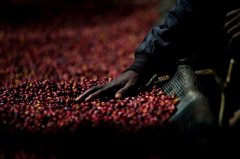
Birthplace of top coffee beans
Coffee forests in Ethiopia's Balle National Park in eastern Africa are as high as 2000 meters above sea level. The coffee rich here was named one of the five best coffees in Africa in 2012.
2014-05-28 Coffee knowledge coffee culture birthplace of coffee beans
Start with coffee beans (25)-Africa-Burundi
Fragrant and mild coffee from war-torn areas, Burundi has the most diverse and successful coffee industry in the world, and has its own characteristics. Coffee in this country was introduced by Belgian colonists in 1930 and is now grown only on small farms. Unfortunately, many of these farms are located on the border with war-torn Rwanda, which
2014-06-12 Coffee beans Africa Burundi
Start with coffee beans (26)-Africa-Cameroon
Deep-roasted coffee beans suitable for espresso the cultivation of the Arabica coffee tree in Cameroon began in 1913 as the Blue Mountain coffee of Jamaica, but the country also produces large quantities of robusta coffee. The quality and characteristics of Cameroon coffee is similar to that of coffee from South America. The best coffee in the country comes from Bamileke and Bamoun in the northwest.
2014-06-12 Coffee beans Africa Malone.
Start with coffee beans (30)-Africa-Madagascar
The best is coming. Madagascar (Madagascar) is basically a producer of robusta coffee, but plans to increase the cultivation of Arabica beans. Since 1989, the coffee industry on the island has been privatized and many regulations have been lifted, with a total output of about 1 million bags a year. As Malagasy people like to drink coffee, the domestic consumption of coffee is very high. The
2014-06-12 Coffee beans Africa Madagascar
Start with coffee beans (37)-Africa-Sudan
The civil war almost destroyed coffee production. Two decades of disastrous civil war in southern Sudan has claimed millions of lives and caused untold damage to rural areas, including the coffee industry. Robusta coffee is now grown in the south as in the past, while Arabica coffee, which used to be wild, is grown in the north and east of the country. In history
2014-06-13 Coffee beans Africa Sudan
Start with coffee beans (40)-Africa-Zambia
Slightly lighter than Kenyan coffee, suitable for afternoon drinking. Coffee was introduced to Zambia early in the 20th century from Kenya and Tanzania, and now it also produces giant coffee beans and bean-shaped berry coffee beans. High quality Zambian coffee is on the rise and, although slightly lighter, tastes similar to Kenyan coffee and costs exactly the same. Zambia coffee is mainly grown
2014-06-13 Coffee beans Africa Zambia
Start with coffee beans (41)-Africa-Zaire
Its Arabica coffee beans have long been famous for both quality and quantity. The best Zaire coffee is grown in the north-east of the country, particularly in the provinces of Oriental and Kivu, where in the past excellent beans and giant beans have been produced. Unfortunately, the high-quality coffee produced in Zaqire is dwindling, but the taste of Zaire coffee
2014-06-13 Coffee beans Africa Zaire
People celebrate Mandela's birthday with coffee cups.
People celebrate Mandela's 93rd birthday in Johannesburg, South Africa, on July 17. A picture of Mandela is displayed with 2700 cups of coffee in different colors to celebrate Mandela's 93rd birthday in Johannesburg, South Africa. On the same day, Johannesburg people held various celebrations to celebrate Mandela's 93rd birthday. On July 18, 1918, Mandela went out
2014-07-08 Coffee cups coffee news coffee culture
Coffee beans Zaire, Africa
Its Arabica coffee beans have long been famous for both quality and quantity. The best Zaire coffee is grown in the north-east of the country, particularly in the provinces of Oriental and Kivu, where in the past excellent beans and giant beans have been produced. Unfortunately, the high-quality coffee produced in Zaqire is dwindling, but the taste of Zaire coffee
2014-09-22 Coffee beans Africa Zaire
Coffee beans Africa Zambia
Slightly lighter than Kenyan coffee, suitable for drinking in the afternoon. Coffee was introduced to Zambia (Zambin) from Kenya and Tanzania in the early 20th century, and now it also produces giant coffee beans and bean-shaped berry coffee beans. High-quality Zambian coffee is getting better and better. Although the taste is slightly light, the flavor is similar to that of Kenyan coffee, and the price is exactly the same. Zambian coffee is mainly grown in
2014-09-22 Coffee beans Africa Zambia
Coffee beans Africa Mozambique
There is no coffee supply. Political problems and internal strife have brought Mozambique, once a booming coffee industry, to a standstill. High-quality coffee used to be produced in the Manica region in the middle of the country, but now the country has no coffee to export.
2014-09-22 Coffee beans Africa Mozambique
Coffee beans Africa Madagascar
The best is coming. Madagascar (Madagascar) is basically a producer of robusta coffee, but plans to increase the cultivation of Arabica beans. Since 1989, the coffee industry on the island has been privatized and many regulations have been lifted, with a total output of about 1 million bags a year. As Malagasy people like to drink coffee, the domestic consumption of coffee is very high. The
2014-09-22 Coffee beans Africa Madagascar
Coffee beans Cameroon in Africa
Deep-roasted coffee beans suitable for espresso the cultivation of the Arabica coffee tree in Cameroon began in 1913 as the Blue Mountain coffee of Jamaica, but the country also produces large quantities of robusta coffee. The quality and characteristics of Cameroon coffee is similar to that of coffee from South America. The best coffee in the country comes from Bamileke and Bamoun in the northwest.
2014-09-22 Coffee beans Africa Cameroon
Coffee beans, Burundi, Africa
Fragrant and mild coffee from war-torn areas, Burundi has the most diverse and successful coffee industry in the world, and has its own characteristics. Coffee in this country was introduced by Belgian colonists in 1930 and is now grown only on small farms. Unfortunately, many of these farms are located on the border with war-torn Rwanda, which
2014-09-22 Coffee beans Africa Burundi