“60kg” search results (600)
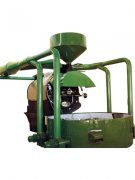
Toper coffee roaster 360kg (gas) TKM-SX 360Gas
Single production: 360kg raw coffee bean roasting time: 10 minutes-shallow roasting, 15 minutes-deep roasting quantity: 2160kg/ hours = shallow roasting, 1440kg/ hours = deep roasting methods: heat conduction equipment, semi-hot air (semi-straight fire), hot air burning body: barreled gas, natural gas, diesel feet inch: long 412cmX wide 352cmX high 621cm weight: 4500
2015-01-26 Toper coffee roaster 360kg gas TKM-SX 3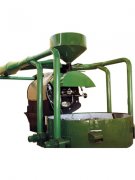
Toper coffee roaster 360kg (gas) TKM-SX 360Gas
Single production: 360kg raw coffee bean roasting time: 10 minutes-shallow roasting, 15 minutes-deep roasting quantity: 2160kg/ hours = shallow roasting, 1440kg/ hours = deep roasting methods: heat conduction equipment, semi-hot air (semi-straight fire), hot air burning body: barreled gas, natural gas, diesel feet inch: long 412cmX wide 352cmX high 621cm weight: 4500
2015-10-27 Toper coffee roaster 360kg gas TKM-SX 3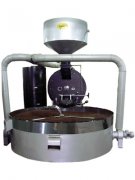
Toper coffee roaster 240kg (gas) TKM-SX 240Gas
Single production: 240kg raw coffee bean roasting time: 10 minutes-shallow roasting, 15 minutes-deep roasting quantity: 1440kg/ hours = shallow roasting, 960kg/ hours = deep roasting methods: heat conduction equipment, semi-hot air (semi-straight fire), hot air burning body: barreled gas, natural gas, diesel feet inch: long 570cmX wide 390cmX high 350cm weight: 4000k
2015-10-27 Toper coffee roaster 240kg gas TKM-SX 2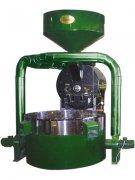
Toper coffee roaster 180kg (gas) TKM-SX 180Gas
Single production: 180kg raw coffee beans roasting time: 10 minutes-shallow roasting, 15 minutes-deep roasting quantity: 1080kg/ hours = shallow roasting, 720kg/ hours = deep roasting methods: heat conduction equipment, semi-hot air (semi-straight fire), hot air burning body: barreled gas, natural gas, diesel feet inch: long 520cmX wide 385cmX high 300cm weight: 3200k
2015-10-27 Toper coffee roaster 180kg gas TKM-SX 1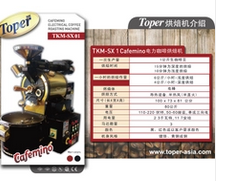
Toper coffee roaster 180kg (gas) TKM-SX 180Gas
Single production: 180kg raw coffee beans roasting time: 10 minutes-shallow roasting, 15 minutes-deep roasting quantity: 1080kg/ hours = shallow roasting, 720kg/ hours = deep roasting methods: heat conduction equipment, semi-hot air (semi-straight fire), hot air burning body: barreled gas, natural gas, diesel feet inch: long 520cmX wide 385cmX high 300cm weight: 3200k
2015-11-23 Toper coffee roaster 180kg gas TKM-SX 1
How can Colombian coffee beans make the most delicious coffee?
The largest producer of quality coffee in the world! The traditional deep-roasted coffee has a strong and memorable flavor. In 1808, coffee was first introduced to Colombia, which was brought by a priest from the French Antilles via Venezuela. Today, the country is the second largest producer after Brazil, with an annual output of 13 million bags of 60 kg each.
2016-05-23 Columbia coffee beans how ability flush delicious coffee
Introduction to Cliff Manor in Jamaica Blue Mountain Coffee Flavor
Maybe Jamaica Blue Mountain Coffee is the most famous coffee in the world, but in fact, few people know its history and why its price is so high. The first person to introduce coffee to the island of Jamaica in 1789 was a Frenchman who escaped the French Revolution. The first coffee was cultivated to increase local consumption and export in France, and in the first 100 years the local industry
2016-07-21 Jamaica Blue Mountain Coffee Flavor Taste Manor producing area introduction Cliff
Toper coffee roaster Cafemino 1kg TKM-SX 1 electric heating / gas
Single production: 50g~1kg raw coffee bean roasting time: 10 minutes-shallow roasting, 15 minutes-deep roasting quantity: 6kg/ hours = shallow roasting, 4kg/ hours = deep baking methods: heat conduction equipment, semi-hot air (semi-direct fire) burning body: electric rod / barreled gas, natural gas ruler: long 100cmX wide 73cmX high 81cm weight: 82kg voltage: 110-2
2015-10-27 Toper coffee roaster Cafemino 1kg TKM-
The difference between Nanyang Coffee and White Coffee
It is said that human beings have had the habit of drinking coffee around the 10th century. Locally, the coffee we drink is mainly divided into two categories: Nanyang coffee and white coffee.
2014-08-06 Coffee knowledge Nanyang coffee white coffee coffee difference
Coffee shop own roasting Toper coffee roaster Cafemino 1kg TKM-SX 1 electric heating
Introduction] Toper coffee roaster Cafemino 1kg (power) TKM-SX 1 Electric single production: 50g~1kg raw coffee beans roasting time: 10 minutes-shallow roasting, 15 minutes-deep roasting quantity: 6kg/ hours = shallow roasting, 4kg/ hours = deep Toper coffee roasters Cafemino 1kg TKM-SX 1 Electric single production: 50g~1kg raw coffee
2016-04-22 Coffee shop home roasting Toper coffee roaster Cafemin
Boutique coffee Blue Mountain Coffee Highland Coffee Jamaica Blue Mountain Coffee producing area Manor introduction
Maybe Jamaica Blue Mountain Coffee is the most famous coffee in the world, but in fact, few people know its history and why its price is so high. The first person to introduce coffee to the island of Jamaica in 1789 was a Frenchman who escaped the French Revolution. The first coffee was cultivated to increase local consumption and export in France, and in the first 100 years the local industry
2016-07-11 Boutique Coffee Blue Mountain Highland Jamaica producing area Manor introduction
Description of Coffee Flavor in Valenford Manor, Jamaica, introduction to the treatment of variety grindability
Blue Mountain is located in the coffee belt, the highest peak 2256 meters above sea level, is the highest peak in the Caribbean. It has fertile volcanic soil, fresh air, no pollution, humid climate, abundant rainfall in the Blue Mountain area, year-round fog and low temperature, and the average temperature is about 20 ℃. All these constitute a good growing environment for Blue Mountain Coffee. The coffee grown in this natural environment has all the good coffee.
2016-09-29 Taste full-bodied Jamaica Warren Ford Manor coffee flavor description variety
Coffee produced in those places in China 2015 Chinese coffee production Chinese coffee industry
Many experts believe that China's arabica coffee still has a long way to go if it wants to reach the level of Latin America and occupy a place in the world coffee production. Volcaf said: Chinese Arabica coffee, as a relatively new variety of the world coffee family, its quality improvement will also make it accepted by more and more manufacturers. Arabica coffee beans
2016-07-16 China those local coffee origin 2015 output industry many specialized
Introduction of Colombia, a big coffee producer
The largest producer of quality coffee in the world! The traditional deep-roasted coffee has a strong and memorable flavor. In 1808, coffee was first introduced to Colombia, which was brought by a priest from the French Antilles via Venezuela. Today, the country is the second largest producer after Brazil, with an annual output of 13 million bags of 60 kg each.
2016-06-14 Coffee production big country Colombia introduction
Introduction to the coffee flavor of Valenford Manor, Jamaica, with a slightly bitter taste and a harmonious taste.
Jamaica has a relatively good transport network, with a total length of more than 4200 km of roads and about 5100 km of roads for motor vehicles. The busiest traffic is the northern coastal highway and the southern coastal highway, which leads to Kingston after crossing the Spanish town. Most of the railways were built in 1885 in 1896. Airmail from China to Jamaica is sealed by Beijing and airlifted by London and Paris.
2016-09-09 Slightly bitter taste blend Jamaica Warren Ford manor coffee flavor
Jamaican boutique coffee beans Blue Mountain Coffee introduction Blue Mountain Coffee Origin Manor introduction
In the steep and high-altitude mountains, careful farming and harvesting, all Jamaican Blue Mountain coffee is ground, tasted and distributed by the Jamaican Industry Association. The coffee in the cup tastes very clean, and it is one of the sweetest coffee in the world. This taste has been described by Jim Reynolds in Peet coffee and tea: the best example of Jamaica's Blue Mountain Coffee is that it has
2016-07-21 Jamaica boutique coffee beans Blue Mountain coffee introduction origin manor
Introduction of Coffee output of High quality Coffee beans in Colombia Coffee producing countries
The largest producer of quality coffee in the world! The traditional deep-roasted coffee has a strong and memorable flavor. In 1808, coffee was first introduced to Colombia, which was brought by a priest from the French Antilles via Venezuela. Today, the country is the second largest producer after Brazil, with an annual output of 13 million bags of 60 kg each.
2016-06-16 Quality coffee beans Colombia coffee producing countries output introduction
What's so special about Blue Mountain Coffee? Take an inventory of the uniqueness of Blue Mountain Coffee
The real Blue Mountain Coffee is one of the most advantageous coffee growing conditions in the world. The weather, geological structure and topography of Jamaica provide a unique ideal place. Designated Jamaican Blue Mountain Coffee can only be grown in the Blue Mountain area, in Kingston, Jamaica is in the eastern north of the island. Coffee grows on a mountain of up to 1800 meters (about 6000 feet), for small seeds.
2016-03-15 Blue Mountain Coffee what Special inventory unique rather than really
Introduction to the characteristics of Flavor description Grinding degree of Coffee Variety in Ethiopian Coffee Manor
Large-scale coffee-growing villages account for about 35% of the country's total coffee production. These coffee farms, which use a multi-tier coffee planting system, are carefully cared for. Coffee farmers do not use chemical fertilizers, but use fallen leaves and animal and plant debris to increase soil nutrition. In addition to coffee, farmers also frequently grow non-coffee crops. It even accounts for the total amount of coffee in the country.
2016-10-12 Ethiopia coffee manor taste variety producing area flavor description grinding
Introduction of Coffee Bean growing Environment in Ethiopia
Ethiopian coffee beans grow in close to the natural environment, after years of planting under the same growth conditions, Ethiopian coffee beans have gradually adapted to the environment here. More than 60% of coffee beans are grown in forests or semi-forests. Large-scale coffee-growing villages account for about 35% of the country's total coffee production. Many of these are used.
2016-07-05 Ethiopia coffee beans growth environment introduction coffee manor producing area