“19th century” search results (300)

Coffee culture story The origin of German coffee
In 1721, Germany's first café was founded in Berlin. Cafes in Germany have just begun to flourish and are subject to many restrictions by local authorities. Therefore, compared with other countries, the development of German coffee is relatively single. It wasn't until the early 19th century that coffee became one of the best money-making tools available to Germans. Coffee growing in Latin and Central America in the mid-19th century
2015-01-17 coffee culture story Germany coffee origin 1721 early
Characteristics of Kenyan coffee beans Kenyan coffee beans from Kenyan coffee producing areas
It entered Kenya in the 19th century, when Ethiopian coffee drinks were imported into Kenya through southern Yemen. But it was not until the early 20th century that the bourbon was introduced by the St. Austen Mission (St.AustinMission). Kenyan coffee is mostly grown at an altitude of 1500m, 2100m, and is harvested twice a year. To ensure that only ripe berries are picked, people must be in the forest
2016-09-01 Kenya coffee beans characteristics coffee producing areas 19th century entering when
The History of Fine Coffee Culture Coffee Culture in Germany
In 1721, the earliest coffee shop in Germany was born in Berlin. As soon as cafes became popular in Germany, they were restricted by the local authorities. Therefore, compared with other countries, the development of German coffee is relatively simple. It was not until the early 19th century that coffee became one of the best money-making tools at the disposal of Germans. The vigorous development of coffee cultivation in Latin America and Central America in the mid-19th century
2015-04-07 Boutique coffee cultural history Germany coffee culture 1721 early
Turkish coffee shops promote the British democratic revolution
The medieval theory of divine kingship began to crumble in England in the seventeenth century, and after the Glorious Revolution the basis of government had shifted from kings as God's agents on earth to the hands of people bound together by social contracts. After experiencing this great historical turning point, it can be said that the creed of modern democratic society, that is, the will of heaven, was formed. Ren Min Tong
2014-07-30 From Turkey Its Cafe Push England Democratic Revolution Progress 17th century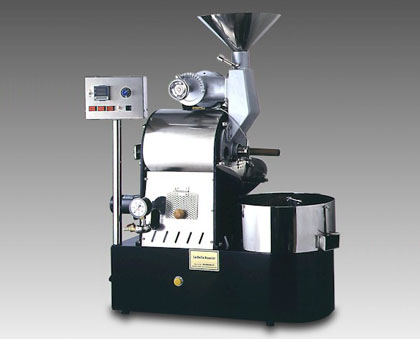
The evolution history of coffee roaster
As early as the 13th century, the Arabs invented to put coffee beans in a pot, stir-fry them with fire, grind them into powder, and then brew coffee. The early Arabs liked to bake the beans shallowly and boil them with spices such as cardamom. Later, this coffee stir-frying method spread to Syria, Turkey and Egypt, where it was used to stir-fry the coffee black, then grind it into powder and add it.
2015-11-17 Coffee roaster evolution history
About the history of coffee roasters
The history of coffee roasters as early as the 13th century, the Arabs invented to put coffee beans in a pot, heat and stir-fry them, then grind them into powder, and then brew coffee. The early Arabs liked to bake the beans shallowly and boil them with spices such as cardamom. Later, this method of stir-frying coffee spread to Syria, Turkey and Egypt, where it was used to stir-fry coffee black.
2014-09-11 Coffee roaster roaster history coffee knowledge
Introduction to Berman Manor of the Origin and characteristics of Kenyan Coffee
Kenya is bordered to the north by Ethiopia, the origin of Arabica coffee trees, but it was not until the beginning of the 20th century that coffee cultivation began. In the 19th century, missionaries introduced Arabica trees from Yemen, but did not plant them in large quantities until 1893. Brazil's ancient bourbon coffee seeds were introduced to cultivate coffee on a large scale. In other words, the current Kenyan coffee is of Brazilian origin.
2016-07-01 Kenya coffee origin characteristics introduction Berman manor north neighbor la
Kenya Kenya AA coffee beans Arabica boutique coffee beans
Coffee entered Kenya in the 19th century, when Ethiopian coffee drinks were imported into Kenya through southern Yemen. But it was not until the early 20th century that the bourbon was introduced by the St. Austen Mission (t.AustinMission). Kenyan coffee grows at an altitude of 1500m, 2100m above sea level, and is harvested twice a year. To ensure that only ripe berries are picked, people must be in the forest
2015-11-21 Kenya coffee beans boutique rabbi coffee 19th century enter
The history of coffee roaster basic knowledge of coffee
As early as the 13th century, the Arabs invented to put coffee beans in a pot, stir-fry them with fire, grind them into powder, and then brew coffee. The early Arabs liked to bake the beans shallowly and boil them with spices such as cardamom. Later, this coffee stir-frying method spread to Syria, Turkey and Egypt, where it was used to stir-fry the coffee black, then grind it into powder and add it.
2015-07-06 Coffee roaster history basics common sense
What are the five top coffee beans in the world?
The production of coffee in Guatemala began in the mid-18th century, when Father Jesuit introduced coffee trees to Guatemala, and in the late 19th century German colonists developed the local coffee industry. Since then, Guatemala has gradually become one of the most famous high-quality coffee producers in the world. The best coffee is produced around Lake Antitlan (Anditte Blue Lake) in the southwest.
2016-06-06 In the world top coffee beans five kinds Guatemala production coffee began eighteen
Kenya coffee beans characteristics, production areas, introduction
Coffee arrived in Kenya in the 19th century, when Ethiopian coffee drinks were imported to Kenya via South Yemen. But it wasn't until the early 20th century that bourbon coffee trees were introduced by St. Austin's Mission (St. Austin Mission) was introduced. Kenyan coffee is mostly grown at altitudes of 1,500 to 2,100 meters and harvested twice a year. To ensure that only ripe berries are picked, people must be present
2016-06-03 Kenya coffee beans characteristics origin presentation coffee 19th century entry kenny
The source of coffee beans when did coffee beans become popular
Coffee beans became popular in China in the 19th century. There are many legends about the discovery of coffee beans in every country. One of them is according to Rothschild, a Roman linguist. Neroy (1613-1707) records: about the sixth century AD, an Arab shepherd Kardai saw each goat when he was herding sheep to the Isabian prairie.
2016-05-27 Coffee beans source when popular up coffee beans is in the 19th century
The Origin of the Belgian Pot for the Royal and aristocratic Banquet
Today, this article is to share with friends: for royal and aristocratic banquets: the origin of Belgian pots. The Belgian pot is a kind of special coffee pot. Today, the ornamental value of the Belgian pot is much greater than its practical value. People who buy Belgian pots rarely use Belgian pots to make coffee and are more likely to decorate them. After all, the Belgian pot got its name from the beginning of the 19th century.
2014-10-13 Coffee knowledge coffee pot origin of Belgian pot
Coffee planting conditions Coffee planting techniques in China
In the 19th century, coffee was grown almost all over the country, followed by a coffee boom that lasted nearly a century. The extensive cultivation of coffee has brought wealth and prosperity to Brazil. At the beginning of the 20th century, Brazil accounted for more than 75% of the world's total coffee production, thus winning the reputation of the coffee kingdom. Coffee is one of the important pillars of Brazil's national economy. The whole country
2016-07-16 Coffee planting conditions China Technology 19th Century Brazil several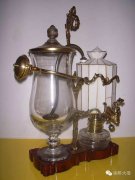
Belgian Royal Coffee Pot, also known as Vienna Royal Coffee Pot or balanced plug Pot
The Royal Belgian Coffee Pot, also known as the Viennese Royal Coffee Pot or balanced Coffee Pot (Balancing Siphon), is the royal coffee pot of European royals in the mid-19th century, invented by the British shipbuilder James Napier. It was already the royal coffee pot of Belgium as early as the 19th century. In order to show the royal style, Belgian craftsmen took great pains to create
2016-05-27 Belgium Royal Coffee Pot aka Vienna balance plug Air Pot
Fruit flavor Kenyan coffee flavor Berman Manor in the central mountain area of Nyeri
Kenya AA coffee beans are adjacent to Ethiopia, the origin of Arabica coffee trees in the north of Kenya, but it was not until the beginning of the 20th century that they began to engage in coffee cultivation. In the 19th century, missionaries introduced Arabica trees from the leaves, but did not plant them in large quantities. It was not until 1893 that coffee was cultivated on a large scale after the introduction of Brazil's ancient "bourbon" coffee seeds. In other words, the eye
2016-07-02 Fruit Flavor Kenya Coffee Nyeri Center Mountain region Berman
Napoleon and St. Helena Coffee
France outstanding military home Napoleon can be called the most romantic, sad character in the history of coffee, his brandy private coffee, portable cylindrical Turkish grinder, are all good talk. Although he was a mid-18th century to early 19th century figure, but God as early as the early 16th century began to find him the most romantic, sad ancient land-St. Helena Island. (425 square meters)
2015-04-02 Napoleon Saint Helena Lena coffee
Introduction to the Roaster Museum
Since the mid-19th century, coffee-roasting technology has evolved from the simplest home stove with a pan to today's giant computer-controlled automated roasting equipment (which can roast nearly five tons of coffee beans per hour).
2014-07-22 Coffee knowledge roaster museum coffee roasting
Kenyan coffee has a wonderful fruit flavor.
Coffee location: Kenya Coffee Garden: the aroma of fruit from African times entered Kenya in the 19th century, when Ethiopian coffee drinks were imported to Kenya through Southern Yemen. But it was not until the early 20 th century that the Bourbon Coffee Tree was saint. The Austin Mission (St.AustinMission) was introduced. Kenyan coffee is mostly grown at 15002100 meters above sea level and harvested in the middle of the year.
2015-09-23 Kenya coffee has a wonderful fruit flavor location Kenny
Coffee roaster development history Capsule coffee machine introduction
Coffee beans were fried in iron pans in the early days. After coffee was introduced into Europe, Europeans used Turkish iron pans to fry beans on the one hand, and later invented hand-rotating roasting, which could bake several pounds of beans at the same time, which was used by some coffee shops. In the 1860s, large roasters began to appear, and in 1867 the use of blowers to cool beans after roasting gave birth to
2016-10-24 coffee roaster history capsule coffee machine introduction