“1729” search results (897)

Costa Rican boutique coffee beans introduce Costa Rican coffee flavor Costa Rican coffee species
Tarrazu in Costa Rica is one of the major coffee producing areas in the world. The coffee produced is light and pure in flavor and pleasant in aroma. Costa Rica, with its fertile volcanic soil and good drainage, is the first country in Central America to grow coffee and bananas for commercial value. Coffee and bananas are the country's main exports. In 1729, coffee was introduced from Cuba to Costa.
2016-03-24 Costa Rica boutique coffee beans introduction coffee flavor Tara
Costa Rican Coffee Flavor Description Grind Characteristics Variety Producing area Fine coffee beans Introduction
Coffee was introduced to Costa Rica from Cuba in 1729, and today its coffee industry is one of the most well-organized in the world, producing up to 1700 kilograms per hectare. Costa Rica has a population of 3.5 million, but coffee trees number 400 million, and coffee exports account for 25% of the country's total exports. The volcanic soils of Costa Rica are very fertile and well drained, especially in the central part.
2016-10-12 Costa Rica Coffee Flavor Description Grind Characteristics Variety Region Boutique
Introduction to the Goddess Manor of Costa Rican Coffee
Tarrazu in Costa Rica is one of the major coffee producing areas in the world. The coffee produced is light and pure in flavor and pleasant in aroma. Costa Rica, with its fertile volcanic soil and good drainage, is the first country in Central America to grow coffee and bananas for commercial value. Coffee and bananas are the country's main exports. In 1729, coffee was introduced from Cuba to Goth.
2016-07-18 Costa Rica coffee flavor taste characteristics introduction goddess manor Costa
An introduction to the description of the Flavor of Brazilian Coffee with slightly Sweet Flavor
Brazilian coffee was introduced from French Guiana in 1729. It is true that intensive farming, changing treatment methods and improving the technical content of planting can improve the quality of coffee to some extent, but in any case, the natural conditions of Brazil cannot be compared with those of some regions that produce the world's top coffee. Because although Brazil has better soil conditions and humid climate, it is not high above sea level.
2016-10-08 Light sweet Brazilian coffee grinding varieties characteristics manor treatment flavor
Introduction to the producing areas of Coffee Yerzaro, Costa Rica, the characteristics of Grinding degree and the method of treatment
Coffee was introduced into Costa Rica from Cuba in 1729. Today, its coffee industry is one of the well-organized industries in the world, with a yield of 1700 kg per hectare. Costa Rica has only 3.5 million people but 400m coffee trees, and coffee exports account for 25 per cent of the country's total exports. The volcanic soil of Costa Rica is very fertile and well drained, especially in the central part.
2016-10-12 Costa Rica Yelsa Luo Coffee Coffee Grinding Features processing Taste products
Introduction of Costa Rican boutique coffee characteristics of Costa Rican coffee Costa Rican coffee products
Tarrazu in Costa Rica is one of the major coffee producing areas in the world. The coffee produced is light and pure in flavor and pleasant in aroma. Costa Rica, with its fertile volcanic soil and good drainage, is the first country in Central America to grow coffee and bananas for commercial value. Coffee and bananas are the country's main exports. In 1729, coffee was introduced from Cuba to Costa.
2016-03-28 Costa Rica boutique coffee introduction characteristics Tara Tar
Costa Rican Coffee Flavor Taste Manor characteristics of Fenghuang Manor
Tarrazu in Costa Rica is one of the major coffee producing areas in the world. The coffee produced is light and pure in flavor and pleasant in aroma. Costa Rica, with its fertile volcanic soil and good drainage, is the first country in Central America to grow coffee and bananas for commercial value. Coffee and bananas are the country's main exports. In 1729, coffee was introduced from Cuba to Goth.
2016-07-25 Costa Rica Coffee Flavor Taste Manor producing area characteristics introduction Fire Phoenix
A brief History of Coffee cultivation in Costa Rica Coffee Manor
Coffee was first introduced in 1720 according to CR official data. Baidu sources show that 1729 were imported from Cuba. In short, coffee has taken root in CR in the 18th century. It was first planted in the central valley (central valley). In the 19th century, the government vigorously promoted the cultivation of coffee, including the allocation of land as long as it was willing to cultivate coffee, and that it could become a landowner after five years of cultivation.
2016-06-06 Costa Rica coffee manor brief history planting earliest introduction time
Introduction to the production areas of fragrant Costa Rican Coffee with the characteristics of Grinding degree
Coffee was introduced into Costa Rica from Cuba in 1729. Today, its coffee industry is one of the well-organized industries in the world, with a yield of 1700 kg per hectare. Costa Rica has only 3.5 million people but 400m coffee trees, and coffee exports account for 25 per cent of the country's total exports. The volcanic soil of Costa Rica is very fertile and well drained, especially in the central part.
2016-10-11 Aroma full Costa Rica coffee grinding characteristics treatment taste variety
The characteristics of Coffee from Costa Rica
Tarrazu in Costa Rica is one of the major coffee producing areas in the world. The coffee produced is light and pure in flavor and pleasant in aroma. Costa Rica, with its fertile volcanic soil and good drainage, is the first country in Central America to grow coffee and bananas for commercial value. Coffee and bananas are the country's main exports. In 1729, coffee was introduced from Cuba to Costa.
2014-07-30 Coffee producing area Costa Rican coffee
Introduction to the characteristics of high-quality coffee beans in the producing area of Costa Rican Yerzaro coffee flavor varieties
Coffee was introduced into Costa Rica from Cuba in 1729. Today, its coffee industry is one of the well-organized industries in the world, with a yield of 1700 kg per hectare. Costa Rica has only 3.5 million people but 400m coffee trees, and coffee exports account for 25 per cent of the country's total exports. The volcanic soil of Costa Rica is very fertile and well drained, especially in the central part.
2016-09-21 Costa Rica Yelsa Luo Coffee Coffee Flavor taste Variety producing area Special
Light and pure Costa Rican coffee taste introduction Fire Phoenix Manor Costa Rican coffee
Tarrazu in Costa Rica is one of the major coffee producing areas in the world. The coffee produced is light and pure in flavor and pleasant in aroma. Costa Rica, with its fertile volcanic soil and good drainage, is the first country in Central America to grow coffee and bananas for commercial value. Coffee and bananas are the country's main exports. In 1729, coffee was introduced from Cuba to Goth.
2016-07-29 Light pure Costa Rica coffee flavor taste introduction fire Phoenix manor
Introduction of varieties in Costa Rican Goddess Manor Coffee Flavor
With regard to the coffee bean-related industry, Colombians say that coffee has changed the country and enjoyed a rich environment, and coffee has indeed made an outstanding contribution. Although the land area of Colombia ranks third from the bottom of Central America, its economic environment is better than that of half of the countries. due to the affluence of the people, social stability, and spare capacity to care about environmental issues, there are more than 30 national parks in Colombia. 1729
2016-09-08 Costa Rica Goddess Manor Coffee Flavor Taste characteristics producing areas varieties
Introduction to the characteristics of Costa Rican Saint Roman Coffee flavour Manor
Tarrazu in Costa Rica is one of the major coffee producing areas in the world. The coffee produced is light and pure in flavor and pleasant in aroma. Costa Rica, with its fertile volcanic soil and good drainage, is the first country in Central America to grow coffee and bananas for commercial value. Coffee and bananas are the country's main exports. In 1729, coffee was introduced from Cuba to Goth.
2016-08-10 Taste mellow Costa Rica Roman coffee flavor manor producing area characteristics
Costa Rican Coffee Manor with strong Flavor introduction to Saint Roman Manor
Tarrazu in Costa Rica is one of the major coffee producing areas in the world. The coffee produced is light and pure in flavor and pleasant in aroma. Costa Rica, with its fertile volcanic soil and good drainage, is the first country in Central America to grow coffee and bananas for commercial value. Coffee and bananas are the country's main exports. In 1729, coffee was introduced from Cuba to Goth.
2016-08-10 Flavor rich Costa Rica coffee manor producing area taste characteristics introduction
Costa Rican rosy summer coffee beans of the Goddess Manor
Coffee was first introduced in 1720 according to CR official data. Baidu sources show that 1729 were imported from Cuba. In short, coffee has taken root in CR in the 18th century. It was first planted in the central valley (central valley). In the 19th century, the government vigorously promoted the cultivation of coffee, including the allocation of land as long as it was willing to cultivate coffee, and that it could become a landowner after five years of cultivation.
2016-05-04 Goddess Manor Costa Rica Rose Summer Flavor excellent Coffee beans first introduced
Costa Rican Tarazhu Coffee Flavor description Grinding characteristics Price of High-quality Coffee beans in producing areas
Coffee was introduced into Costa Rica from Cuba in 1729. Today, its coffee industry is one of the well-organized industries in the world, with a yield of 1700 kg per hectare. Costa Rica has only 3.5 million people but 400m coffee trees, and coffee exports account for 25 per cent of the country's total exports. The volcanic soil of Costa Rica is very fertile and well drained, especially in the central part.
2016-10-10 Costa Rica Tara Coffee Flavor description Grinding characteristics varieties producing areas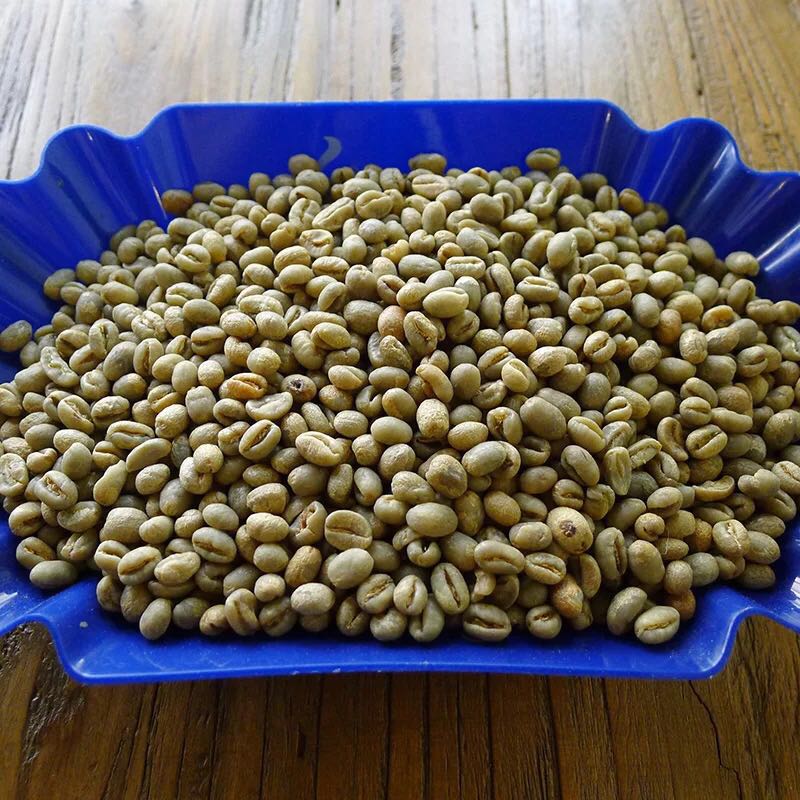
Coffee bean import declaration Shanghai coffee bean import declaration
Tarrazu in Costa Rica is one of the major coffee producing areas in the world. The coffee produced is light and pure in flavor and pleasant in aroma. Costa Rica, with its fertile volcanic soil and good drainage, is the first country in Central America to grow coffee and bananas for commercial value. Coffee and bananas are the country's main exports. In 1729, coffee was introduced from Cuba to Goth.
2016-05-08 Coffee beans Import Customs Declaration Shanghai Costa Rica Tara Tarrazu
Light and pure flavor of Costa Rican coffee manor flavor and taste characteristics of fine coffee beans
Tarrazu in Costa Rica is one of the major coffee producing areas in the world. The coffee produced is light and pure in flavor and pleasant in aroma. Costa Rica, with its fertile volcanic soil and good drainage, is the first country in Central America to grow coffee and bananas for commercial value. Coffee and bananas are the country's main exports. In 1729, coffee was introduced from Cuba to Goth.
2016-08-10 Flavor light pure Costa Rica coffee manor producing area taste characteristics
Introduction to the characteristics of flavor and taste of Costa Rican coffee manor
Coffee was introduced into Costa Rica from Cuba in 1729. Today, its coffee industry is one of the well-organized industries in the world, with a yield of 1700 kg per hectare. Costa Rica has only 3.5 million people but 400m coffee trees, and coffee exports account for 25 per cent of the country's total exports. The volcanic soil of Costa Rica is very fertile and well drained, especially in the central part.
2016-09-12 Flavor light pure Costa Rica coffee manor producing area taste variety