“17” search results (4820)

Graded high-quality coffee beans
There are two ways to classify raw coffee beans, one is the filter number, and the other is the elevation. It is divided by the number of the filter screen, and the size is in the unit of the screen (size). Round beans are generally smaller than flat beans, between 8-13 and 12-29. 8, 9, 10. 12, 13. 18. 29 = small, medium, ordinary. Quasi-big. Big, extra large. The bigger the size, the bigger the beans. Like SC.
2014-09-13 Grading of raw coffee beans boutique coffee beans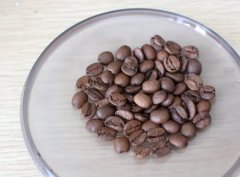
Standard for grading coffee beans
There are two ways to grade coffee beans, one is to filter the number of points, one is to elevation points. It is divided by the filter number and the size is determined by the mesh size. Round beans are generally smaller than flat beans, round beans between 8-13, flat beans between 12-29. 8,9,10... 12,13... 18... 29 = Small, Medium, Normal... It's a big... big, extra big. The bigger the number, the bigger the bean. Like SC
2015-01-08 quality coffee common sense green beans grading standard method
Japan Ski Set "Highest Altitude" Coffee Shop is Starbucks
Drinking hot coffee in freezing weather may be a good option. Starbucks Coffee announced on December 17 that it will open its highest-altitude Starbucks coffee shop on the top of Yokote Mountain in Yamanouchi Town, Nagano Prefecture, Japan, Japan. According to reports, the ski resort in Yokoteyama, Japan, has about 120,000 visitors every year, but compared with the past ski fever,
2016-07-15 Japan Skiing Highest Altitude Coffee Shop Buck Ice Sky Ground Tasting Coffee
Grading standard of raw coffee beans
There are two ways to classify brown raw beans, one is to filter the number, and the other is to divide it by elevation. It is divided by the number of the filter screen, and the size is in the unit of the screen (size). Round beans are generally smaller than flat beans, between 8-13 and 12-29. 8, 9, 10. 12, 13. 18. 29 = small, medium, ordinary. Quasi-big. Big, extra large. The bigger the size, the bigger the beans. Like SC-1.
2014-08-20 Coffee knowledge grading standards coffee raw beans
Coffee Culture Coffee and the Story of Arapai people
Coffee was the exclusive drink of Arabian people for more than 1000 years from the 7th century to the 17th century. Arabs brought the habit of drinking coffee to the countries they visited, from the Balkans to Spain to North Africa. After the decline of the Roman Empire, the center of world development gradually shifted to the Islamic world. Slowly, the word coffee entered the languages of countries all over the world in different forms.
2014-10-13 Coffee Culture Coffee Story Coffee and Arabian Story
Classification standard of coffee raw beans for fine coffee
There are two ways to classify raw coffee beans, one is the filter number, and the other is the elevation. It is divided by the number of the filter screen, and the size is in the unit of the screen (size). Round beans are generally smaller than flat beans, between 8-13 and 12-29. 8, 9, 10. 12, 13. 18. 29 = small, medium, ordinary. Quasi-big. Big, extra large. The bigger the size, the bigger the beans. Like SC.
2014-09-03 Coffee knowledge boutique coffee beans coffee raw beans coffee bean grading
The grading system of defects in Blue Mountain Coffee beans
Although the output of Blue Mountain Coffee is very small, it has a strict grading system, even if it is produced in the legal Blue Mountain area, it should be graded according to the size of beans and the proportion of defects. Blue Mountain No.1 Blue Mountain No. 1 bean type: 96% above 17 Blue 18 eyes defective bean proportion: 2% Blue Mountain No.2 Blue Mountain 2 bean type: 96% above 16 inch defective bean proportion: 2% Blue
2014-11-12 Coffee knowledge Blue Mountain Coffee grading defective beans
Quality coffee beans, knowledge, classification of raw coffee beans
There are two ways to classify raw coffee beans, one is the filter number, and the other is the elevation. It is divided by the number of the filter screen, and the size is in the unit of the screen (size). Round beans are generally smaller than flat beans, between 8-13 and 12-29. 8, 9, 10. 12, 13. 18. 29 = small, medium, ordinary. Quasi-big. Big, extra large. The bigger the size, the bigger the beans. Like SC.
2015-01-04 Boutique coffee beans knowledge coffee raw beans grading methods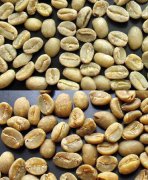
Grading of raw coffee beans
There are two ways to classify raw coffee beans, one is the filter number, and the other is the elevation. It is divided by the filter number, and the size is size in terms of the screen size. Round beans are generally smaller than flat beans, between 8-13 and 12-29. 8, 9, 10. 12, 13. 18. 29 = small, medium, ordinary. Quasi-big. Big, extra large. The bigger the size, the bigger the beans. Like SC-.
2014-07-01 Raw beans raw coffee beans coffee beans grading
The characteristics of Kopi Luwak, the official website of death wish Coffee
◎ grading according to the size of coffee beans this classification is based on a variety of perforated sieve, the sieve has a variety of specifications, identified by the number, the number is associated with the mesh. The size of the mesh-1 stroke 64 inches is the unit of calculation. If the diameter of the mesh is 18 stroke 64 inches, the number of the screen is 18; if the diameter of the mesh is 17 inch 64 inches, the number of the screen is 17. To
2016-05-04 Boutique death wish coffee official website cat shit characteristics
Standard for grading of fine coffee beans, common sense coffee and raw beans
It is divided by the number of the filter screen, and the size is in the unit of the screen (size). Round beans are generally smaller than flat beans, between 8-13 and 12-29. 8, 9, 10. 12, 13. 18. 29 = small, medium, ordinary. Quasi-big. Big, extra large. The bigger the size, the bigger the beans. SC-19, for example, is the No. 19 bean. According to the elevation of the cultivated land, it can be divided into seven grades.
2015-01-13 Boutique coffee beans common sense coffee raw beans grading standards filtering number size
Sidamo Coffee beans introduce boutique coffee
17 grams of coffee, 300 milliliters of water, about 265 milliliters of coffee, steaming temperature 86 degrees, brewing temperature about 83 degrees. When the coffee is hot, it is not strong and very light. As the temperature decreases, the sensitivity of the tongue to the taste increases gradually, and the taste becomes more complex. The fragrance of the fruit is the most obvious, mixed with a hint of tea. I can't find anything in the taste.
2016-06-14 Dharma coffee beans 17 grams coffee water injection 300 milliliters get about 2
The most important thing in coffee making-powder quantity 1
In my understanding, I see amazing flowers in China, countless players who are interested in machinery, and many lovers who are interested in coffee producing areas. However, when I see many people in the extraction of Italian concentration, do not cloth powder, do not control powder, or even taste judgment, I do not understand. If it is not extracted properly, even the most beautiful flower will only make the coffee
2014-10-14 Coffee knowledge coffee production coffee powder quantity
Classification of raw coffee beans in Coffee Encyclopedia
There are two ways to classify raw coffee beans, one is the filter number, and the other is the elevation. It is divided by the filter number, and the size is size in terms of the screen size. Round beans are generally smaller than flat beans, between 8-13 and 12-29. 8, 9, 10. 12, 13. 18. 29 = small, medium, ordinary. Quasi-big. Big, extra large. The bigger the size, the bigger the beans. Like SC-.
2014-09-19 Coffee encyclopedia raw coffee beans coffee raw beans grading
Blue Mountain Coffee, a grading system that gives priority to size and defects
Although the output of Blue Mountain Coffee is very small, it has a strict grading system, even if it is produced in the legal Blue Mountain area, it should be graded according to the size of beans and the proportion of defects. Blue Mountain No.1 Blue Mountain No. 1 bean type: 96% above 17 Blue 18 eyes defective bean proportion: 2% Blue Mountain No.2 Blue Mountain 2 bean type: 96% above 16 inch defective bean proportion: 2% Blue
2015-06-04 Size priority balance defects grading system Blue Mountain Coffee
Brazilian sweet coffee generally refers to coffee produced in Brazil.
Brazilian coffee generally refers to coffee produced in Brazil. There is a wide variety of Brazilian coffee, the vast majority of which are unwashed and sun-dried, classified according to the name of the state of origin and the port of transport. Brazil has 21 states and 17 states produce coffee, but four of them produce the largest, accounting for 98% of the country's total output. Brazilian coffee has a low sour taste, which goes well with coffee.
2015-10-20 Brazil coffee generally refers to produced in Brazil produced in a wide variety of absolutely
Grading of raw coffee beans there are two ways to grade raw coffee beans.
There are two ways to classify raw coffee beans, one is the filter number, and the other is the elevation. It is divided by the filter number, and the size is size in terms of the screen size. Round beans are generally smaller than flat beans, between 8-13 and 12-29. 8, 9, 10. 12, 13. 18. 29 = small, medium, ordinary. Quasi-big. Big, extra large. The bigger the size, the bigger the beans. Like SC-.
2015-06-05 Coffee beans grading coffee raw beans methods two kinds
History of Coffee Culture on the Source of Coffee
The history of coffee can be traced back to the tenth century AD, but those are unverifiable history. For example, the widely spread story of shepherds, the story of monks across the desert and so on. What is really well documented is the spread time of coffee beans, that is, from Africa to Europe and the whole world, probably around the 16th-17th century AD, which is known to be a great voyage.
2014-09-05
The grading system of giving priority to defects in the size of Blue Mountain Coffee
Although the output of Blue Mountain Coffee is very small, it has a strict grading system, even if it is produced in the legal Blue Mountain area, it should be graded according to the size of beans and the proportion of defects. Blue Mountain No.1 Blue Mountain No. 1 bean type: 96% above 17 Blue 18 eyes defective bean proportion: 2% Blue Mountain No.2 Blue Mountain 2 bean type: 96% above 16 inch defective bean proportion: 2% Blue
2014-09-30 Coffee knowledge coffee beans blue mountain coffee coffee grading
The grading system of Blue Mountain Coffee grading Standard size giving priority to defects
Although the output of Blue Mountain Coffee is very small, it has a strict grading system, even if it is produced in the legal Blue Mountain area, it should be graded according to the size of beans and the proportion of defects. Blue Mountain No.1 Blue Mountain No. 1 bean type: 96% above 17 Blue 18 eyes defective bean proportion: 2% Blue Mountain No.2 Blue Mountain 2 bean type: 96% above 16 inch defective bean proportion: 2% Blue
2015-10-13 Blue Mountain Coffee grading Standard size priority consideration defects system