List of top brands of famous Japanese green tea producing areas
Japanese tea making method
Around the world, the most effective way to stop the oxidative fermentation of tea leaves is heating. This process involves placing tea leaves on a heated surface and heating them for a period of time.
This technique has become increasingly popular as the only method used today to protect tea from oxidation. Most tea growers use large heating surfaces to heat tea leaves. In Japan, this technology is different.
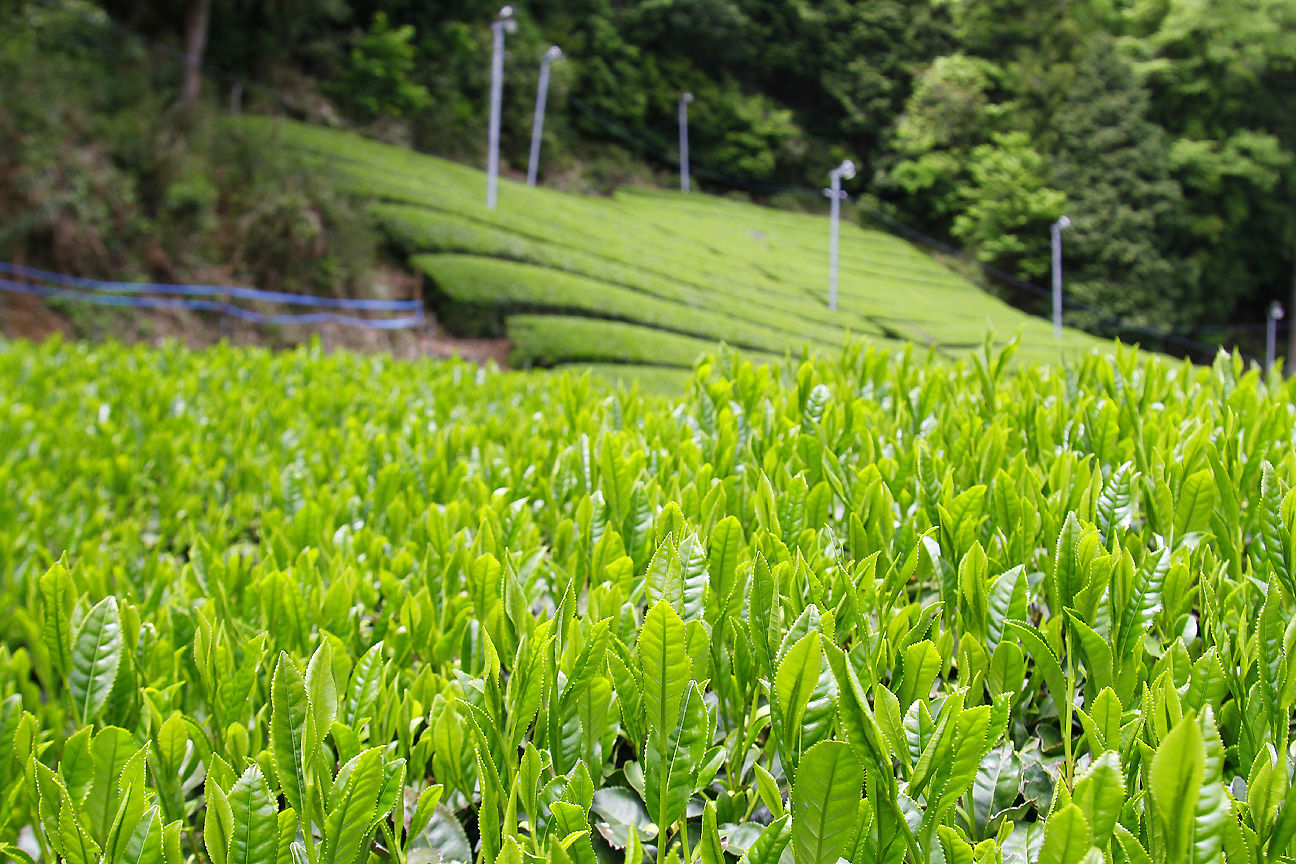
Japanese tea farmers are most concerned about green tea. Most of the tea grown in Japan is used to make green tea, which is why it needs special care.
This method involves steaming tea leaves in three different ways; light, medium and deep. In Japanese, these technologies are known as Asamushi, Chumushi and Fukamushi.
These terms are used to describe the time at which tea leaves are steamed at different times. After steaming, rolling and ripening, these leaves have the name of Huang tea. At this stage, they are sorted before being packaged and distributed to consumers.
Japan's famous tea district
1. Shizuoka City
Shizuoka Prefecture remains Japan's largest tea producer. This region produces nearly 50% of Japan's tea. Its proximity to the sea exposes it to harsh weather conditions, which in turn affects the quality of the tea leaves. The main variety of tea produced in Shizuoka Prefecture is sencha, although the region is known for producing all kinds of tea as currently known.
2. Kyushu Island
Kyushu has four major regions: Saga, Miyazaki, Fukuoka and Kagoshima. The island has a subtropical climate, suitable for growing all kinds of tea.
The island produces large quantities of tea, such as boiled tea, bitter tea, half tea, bitter tea and sweet tea. In addition, Kyushu has two regions (Kumamoto and Miyazaki Prefecture) that are known for producing high quality tea, although tea production is small.
3. Kyoto
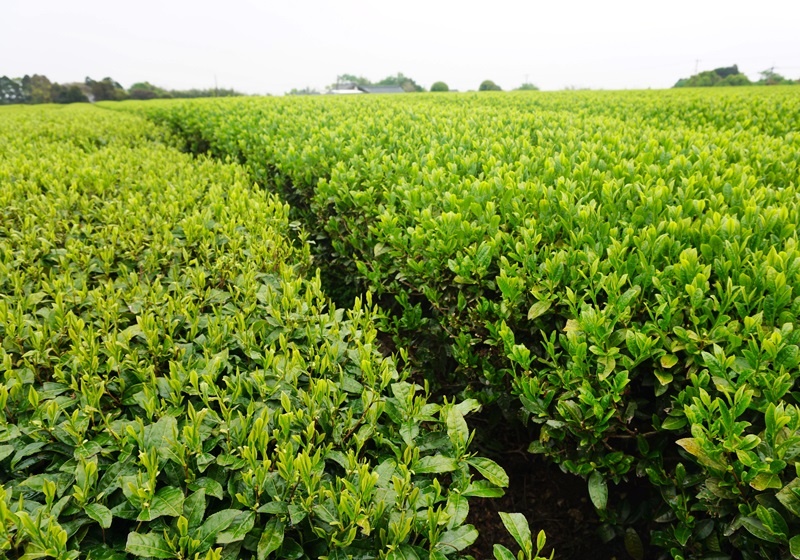
Kyoto is located in the middle of Honshu Island and has a mild climate, which is different from other parts of Japan. This area is famous as the birthplace of tea in Japan. Kyoto was the first place Eisai planted tea trees in Japan. The tea produced here is mainly Yulu tea and matcha tea, which is considered to be high-quality tea.
4. Aichi
Aichi Prefecture is located on the east coast of Honshu, bordering Mie in the west and Shizuoka Prefecture in the east. This area is not as famous as Shizuoka Prefecture and Mie Prefecture, and the tea production here is very small compared to other tea-producing areas in Japan. Aichi Prefecture is an important tea producing area in Japan. The tea produced here is mainly matcha.
5. Nara and Mie
Nara and Mie are not as famous as other tea producing areas in Japan, but they are also the producing areas of high-quality tea in Japan. Most tea is grown at altitudes of 200 mm to 500 m and on plateaus. Most of the teas produced in this area include Kabusecha, sikka and sencha.
Share
Follow Coffee Search for the latest coffee updates. Reproduced from "Coffee Search"
Article URL: https://www.coffeesearch.net/coffee143720.html
Related Articles
- Beginners will see the "Coffee pull flower" guide!
- What is the difference between ice blog purified milk and ordinary milk coffee?
- Why is the Philippines the largest producer of crops in Liberia?
- For coffee extraction, should the fine powder be retained?
- How does extracted espresso fill pressed powder? How much strength does it take to press the powder?
- How to make jasmine cold extract coffee? Is the jasmine + latte good?
- Will this little toy really make the coffee taste better? How does Lily Drip affect coffee extraction?
- Will the action of slapping the filter cup also affect coffee extraction?
- What's the difference between powder-to-water ratio and powder-to-liquid ratio?
- What is the Ethiopian local species? What does it have to do with Heirloom native species?