Cultivation conditions of Burundian Coffee Flavor Burundian Coffee five major coffee producing areas in Burundi
Burundian Coffee introduction
Located between the Indian Ocean and the Atlantic Ocean, Burundi is known as the "heart of Africa". This is a country of green, blue and rich earth colors: Sky, water, land, trees. The three social groups Hutu, Tutsi and Tawa share a language (Kirundy) and a way of life. Agriculture and animal husbandry are their mainstay, and despite tribal conflicts in the past, they now live together on the same hills and attend classes in the same school, including growing the same crops.
Around 1904, coffee was brought by Belgian missionaries. Most of the coffee here is Arabica coffee varieties of bourbon coffee grown in the highlands, so Burundi produces coffee with high sweetness and subtle acidity.
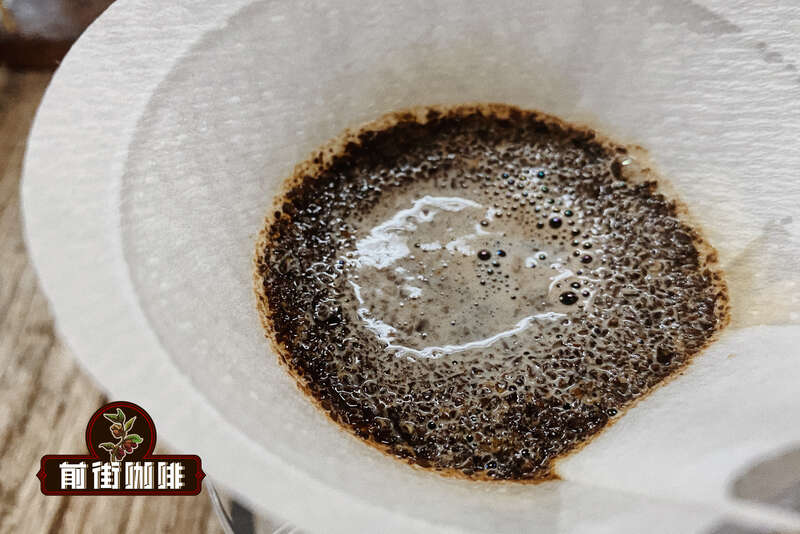
Cultivation conditions of Burundian coffee
Most areas of Burundi have good coffee growing conditions: good soil environment, good climate and so on. In fact, despite armed conflict and high poverty rates, the production of specialty coffee is still growing in this small country. The single country of origin in Burundi has shown high potential and coffee producers here are working to improve their agricultural production methods.
Burundian coffee flavor
Burundian coffee is sweet, with bright acidity, rich body, citrus, blueberry and "game", passion fruit and pineapple. Coffee at high altitude is more acidic and has a lemon flavor. High-quality high-altitude coffee, such as SCA 86 coffee-will have aromas of fruit, flowers and honey.
Burundian coffee producing area
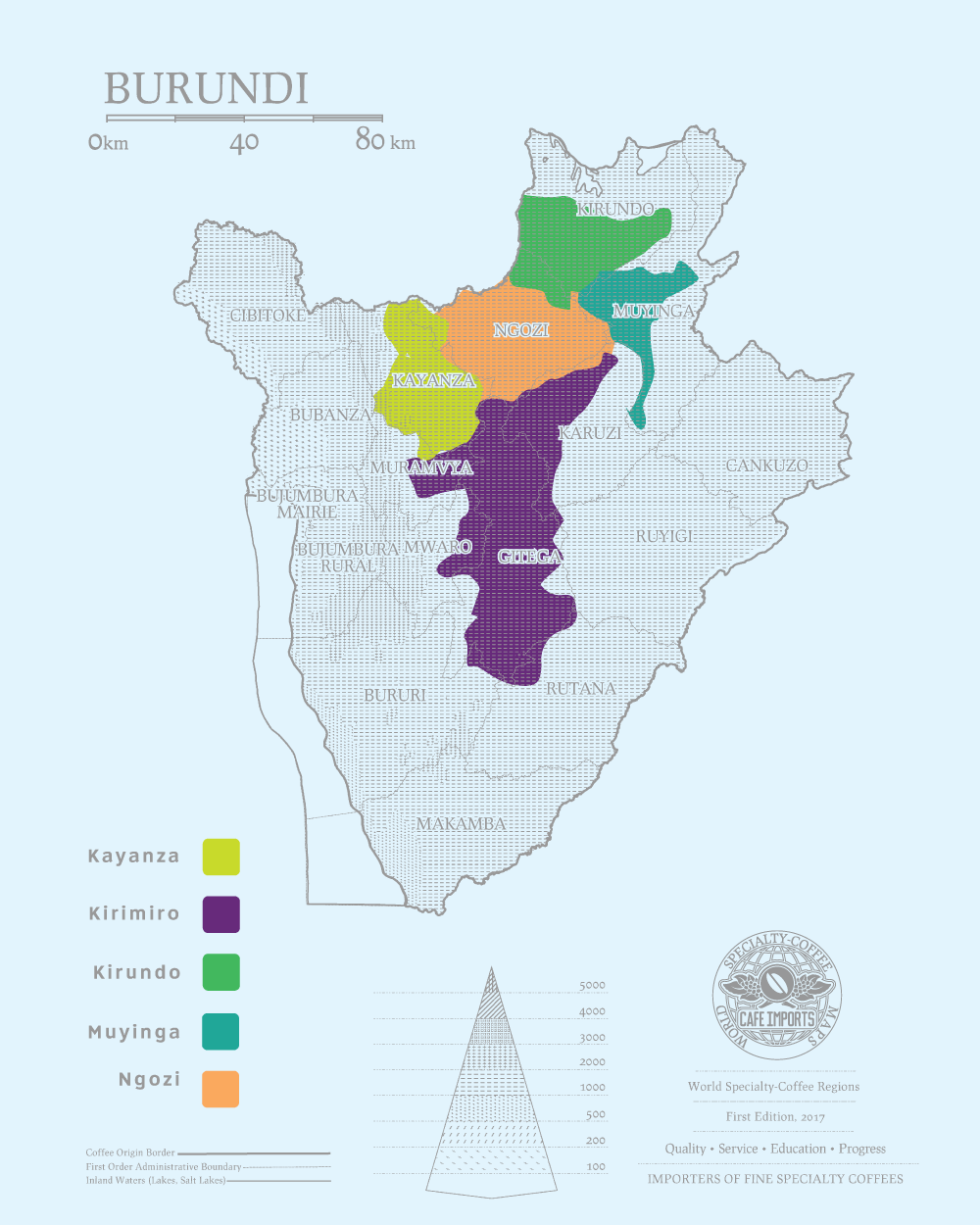
There are five main coffee producing areas in Burundi: Kayanza, Ngozi, Mumirwa, Buyenzi and Kirimiro. But this is not to say that coffee will not be found outside these areas. But these are the largest, the most common, and are also famous for their high-quality crops.
Share
Follow Coffee Search for the latest coffee updates. Reproduced from "Coffee Search"
Article URL: https://www.coffeesearch.net/coffee141662.html
Related Articles
- Beginners will see the "Coffee pull flower" guide!
- What is the difference between ice blog purified milk and ordinary milk coffee?
- Why is the Philippines the largest producer of crops in Liberia?
- For coffee extraction, should the fine powder be retained?
- How does extracted espresso fill pressed powder? How much strength does it take to press the powder?
- How to make jasmine cold extract coffee? Is the jasmine + latte good?
- Will this little toy really make the coffee taste better? How does Lily Drip affect coffee extraction?
- Will the action of slapping the filter cup also affect coffee extraction?
- What's the difference between powder-to-water ratio and powder-to-liquid ratio?
- What is the Ethiopian local species? What does it have to do with Heirloom native species?