“hydrocarbons” search results (51)

Coffee beans taste, taste
1) ahenaste The sensation of steam in brewed coffee, ranging from chocolate to charcoal, from spicy to turpentine. Aftertaste is the smell released by the remaining ingredients in the mouth after swallowing coffee. Aroma The sensation of inhaling the gases released by coffee, ranging from fruity to grassy to nutty. Coffee (Bouquet)
2016-06-01 coffee beans taste aftertaste ahenaste brewing coffee moisture
Italian espresso and double extra strong making process
Put the finely ground Italian coffee into an ESPRESSO machine handle or grinder and press it so that the mixture of water and steam passes quickly, and a cup of pure Italian espresso can be distilled. It sounds simple, but remember, a good cup of Italian coffee should be covered with camel emulsion, that is, the finer the aromatic hydrocarbon coffee is ground, the surface of the coffee powder and water.
2015-04-10 Italian fragrant coffee double extra strong production process ground fine Italy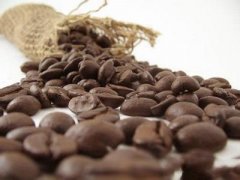
Effect of roasting on Brown Coffee Powder
Roasting causes physical and chemical changes in coffee beans and ingredients, which determine the color and ignorance of brown coffee powder.
2014-07-12 Coffee knowledge coffee roasting coffee encyclopedia
Effect of coffee roasting on brown coffee powder
Roasting causes physical and chemical changes in coffee beans and ingredients, which determine the color and ignorance of brown coffee powder. During roasting, raw beans contain sucrose and white sugar are melted into caramel. It mainly affects the color of roasted coffee; the glycan contained in coffee beans is partially degraded to produce sugar aldehyde during roasting, which makes roasted coffee have a special grain flavor. In the process of roasting, the shape of acids
2015-05-12 Coffee roasting brown coffee powder influence
Espresso contains less caffeine than regular coffee
A cup of regular brewed coffee contains 115 mg of caffeine, espresso (and coffee brewed in a percolator) contains about 80 mg, and instant coffee contains only 65 mg. Decaffeinated coffee is not complete without caffeine, it is about 3 milligrams. A can of Coca-Cola contains about 45 mg of caffeine, Pepsi 38 mg, Mountain Dew 54 mg, and TAB47 mg. Tea contains about 40%.
2015-07-27 Distillation coffee contains caffeine normal one cup ordinary brewed
Study found that caffeine does not cause cancer
Cancer is one of the most terrible diseases. It quietly threatens lives. Cancer is the second leading cause of death in the United States. Millions of people have or have had cancer. There are many types of cancer, but they all begin with the uncontrolled growth of abnormal cells. Cancer cells can metastasize to other parts of the body, and the process of cancer cells growing to replace normal tissue is called spread. Most classes
2014-08-28 Coffee knowledge caffeine coffee research coffee does not cause cancer
Coffee study found that caffeine does not cause cancer
Cancer is one of the most terrible diseases. It quietly threatens lives. Cancer is the second leading cause of death in the United States. Millions of people have or have had cancer. There are many types of cancer, but they all begin with the uncontrolled growth of abnormal cells. Cancer cells can metastasize to other parts of the body, and the process of cancer cells growing to replace normal tissue is called spread. Most classes
2014-10-31 Coffee knowledge coffee research cancer
Espresso contains less caffeine than regular coffee
A cup of regular brewed coffee contains 115 mg of caffeine, espresso (and coffee brewed in a percolator) contains about 80 mg, and instant coffee contains only 65 mg. Decaffeinated coffee is not complete without caffeine, it is about 3 milligrams. A can of Coca-Cola contains about 45 mg of caffeine, Pepsi 38 mg, Mountain Dew 54 mg, and TAB47 mg. Tea contains about 40%.
2014-08-07 Coffee knowledge espresso caffeine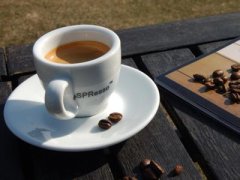
Espresso coffee contains less caffeine than regular coffee.
A cup of regular brewed coffee contains 115 mg of caffeine, espresso coffee (and percolator brewed coffee) about 80 mg, and instant coffee about 65 mg. Decaffeinated coffee is not completely decaffeinated and is about 3 mg. A can of Coke contains about 45 mg of caffeine, Pepsi 38 mg,Mountain Dew 54 mg, and TAB47 mg. Tea contains about 40
2015-01-16 coffee common sense distilled caffeine regular cup brew
Coffee common sense effect of roasting coffee beans on brown coffee powder
Roasting causes physical and chemical changes in coffee beans and ingredients, which determine the color and ignorance of brown coffee powder. During roasting, raw beans contain sucrose and white sugar are melted into caramel. It mainly affects the color of roasted coffee; the glycan contained in coffee beans is partially degraded to produce sugar aldehyde during roasting, which makes roasted coffee have a special grain flavor. In the process of roasting, the shape of acids
2015-03-25 Coffee common sense coffee beans roasting brown coffee powder influence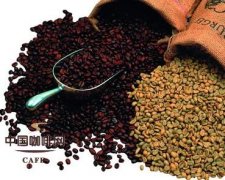
Effect of roasting on brown coffee powder roasting of boutique coffee beans
Roasting causes physical and chemical changes in coffee beans and ingredients, which determine the color and ignorance of brown coffee powder. During roasting, raw beans contain sucrose and white sugar are melted into caramel. It mainly affects the color of roasted coffee; the glycan contained in coffee beans is partially degraded to produce sugar aldehyde during roasting, which makes roasted coffee have a special grain flavor. In the process of roasting, the shape of acids
2015-01-28 Roasted brown coffee powder influence boutique coffee beans roast roasted
Effect of roasting and roasting of boutique coffee on brown coffee powder
Roasting causes physical and chemical changes in coffee beans and ingredients, which determine the color and ignorance of brown coffee powder. During roasting, raw beans contain sucrose and white sugar are melted into caramel. It mainly affects the color of roasted coffee; the glycan contained in coffee beans is partially degraded to produce sugar aldehyde during roasting, which makes roasted coffee have a special grain flavor. In the process of roasting, the shape of acids
2014-12-17 Boutique coffee common sense roast brown coffee powder influence coffee beans match
International coffee tasters tell you the precautions for freshly ground coffee
How does freshly ground coffee brew best? Can I have milk in my coffee? At the establishment site of Chongqing Coffee Alliance held this afternoon, Zhang Ming, Chongqing's first Q-Grade international coffee taster and cup tester qualification, popularized coffee knowledge to the audience. As people's demand for coffee continues to increase, more and more citizens are starting to make their own freshly ground coffee. for coffee
2015-10-10 international coffee tasters tell freshly ground precautions
Did you know that espresso coffee has less caffeine than regular coffee?
A cup of regular brewed coffee contains 115 mg of caffeine, espresso coffee (and percolator brewed coffee) about 80 mg, and instant coffee about 65 mg. Decaffeinated coffee is not completely decaffeinated and is about 3 mg. A can of Coke contains about 45 mg of caffeine, Pepsi 38 mg,Mountain Dew 54 mg, and TAB47 mg. Tea contains about 40
2014-05-29 Coffee knowledge espresso caffeine
Did you know that drip coffee contains less caffeine than regular coffee?
A cup of popular brewed coffee contains 115 milligrams of caffeine, espresso (and coffee brewed in a percolator) contains about 80 milligrams, while instant coffee contains only 65 milligrams. Decaffeinated coffee is not complete without caffeine, about 3 milligrams. A can of Coca-Cola contains about 45 mg of caffeine, Pepsi 38 mg, MountainDew 54 mg, and TAB47 mg. Tea contains about 4.
2014-10-13 Coffee knowledge dripping coffee caffeine
Belmoca teaches you the precautions for freshly ground coffee
How does freshly ground coffee brew best? Can I have milk in my coffee? On these issues, Xiaobian specially consulted the coffee master, and the coffee master popularized various common sense about coffee to Xiaobian. As coffee demand continues to rise, more and more people are starting to make their own freshly ground coffee. There is a choice of coffee beans, there is also a choice of coffee capsules, coffee masters are
2015-08-14 Belmoca teaches you freshly ground coffee precautions
Did you know that espresso contains less caffeine than regular coffee?
A cup of regular brewed coffee contains 115 mg of caffeine, espresso (and coffee brewed in a percolator) contains about 80 mg, and instant coffee contains only 65 mg. Decaffeinated coffee is not complete without caffeine, it is about 3 milligrams. A can of Coca-Cola contains about 45 mg of caffeine, Pepsi 38 mg, Mountain Dew 54 mg, and TAB47 mg. Tea contains about 40%.
2015-06-19 Know distillation coffee contains caffeine ordinary less one cup bubble
Matters needing attention of international coffee tasters for freshly ground coffee
How to make freshly ground coffee is the best? Can I have milk in my coffee? At the site of the establishment of the Chongqing Coffee Alliance held this afternoon, Zhang Ming, the first person in Chongqing to be qualified as a Q-Grade international coffee tasting expert and cup tester, popularized the general knowledge of coffee to the audience. With the increasing demand for coffee, more and more citizens begin to make their own freshly ground coffee. For coffee
2015-04-08 International coffee tasting division fresh mill matters needing attention
The basic chemical reaction that takes place during coffee roasting the degree of coffee bean roaster
I, when heated, is converted into isomers cellulose III and cellulose IV. The structure of coffee is a well-developed matrix, which improves the consistency of quality and contributes to the uniform spread of heat during baking. Cellulose in coffee is embedded in lignocellulose (an amorphous matrix containing hemicellulose and cellulose-containing lignin).
2016-10-18 Coffee roasting process medium hair raw basic chemical reaction coffee beans roaster
Classify the smell of coffee by source
According to the source, the aromatization table can be divided into three groups: the first group: this kind of compound is the result of enzymatic reaction during the growth of coffee beans. The main components are ester and aldolase. This compound is the most volatile and is often found in the dry aroma of freshly ground coffee powder. The first group can be further subdivided into three types: floral flavor, fruit flavor and
2014-09-12 Coffee knowledge division of coffee coffee smell