“Refining” search results (814)

How coffee fruits turn into raw beans
There are three kinds of refining methods: drying type, washing type, and the compromise between the two-semi-washing type.
2014-08-22 Coffee knowledge coffee raw beans coffee bean processing
The selection of coffee
The process of removing impurities from the harvested coffee fruit into "raw beans" is called "refining". Refining methods are mainly divided into two categories-washing type and non-washing type. Brazil and other places originally used the non-washing type, but now some coffee also use the washing type selection method in order to pursue higher quality.
2014-07-04 Coffee knowledge coffee encyclopedia coffee bean processing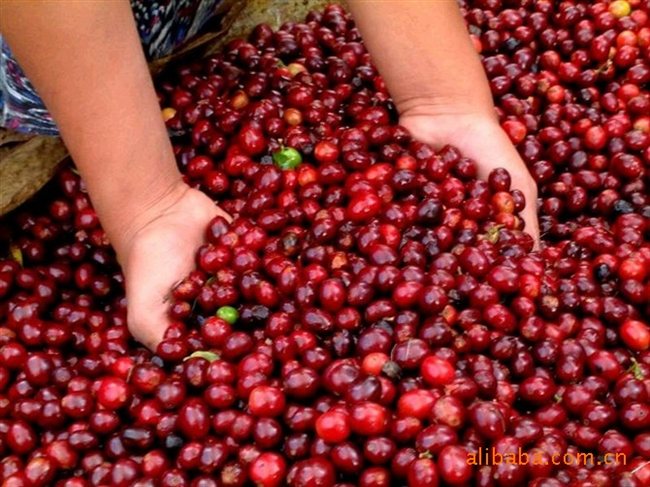
The evolution of coffee from fruit to raw beans to understand the change process of coffee beans
In the middle of the fruit of coffee is a pair of oval seeds, which are covered with outer skin, inner pulp and pulp. Ripe fruit spoils in a short time without treatment. Refining is to remove the skin and pulp of the coffee fruit, and then take out the seeds. Generally speaking, about 1 kg of raw coffee beans can be obtained from 5 kg of coffee fruit. The refining methods include drying type, washing type, and compromise between the two.
2016-01-04 Coffee fruit change raw beans evolution process understanding coffee beans artifacts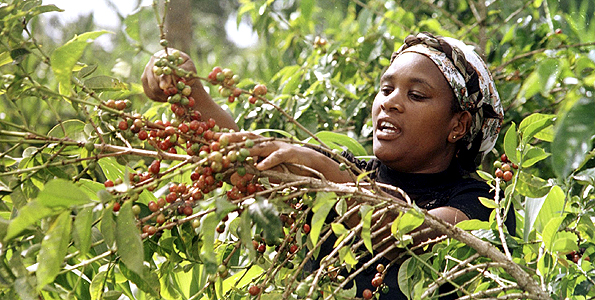
Coffee from fruit to raw bean dry washing semi-washing refined Colombian coffee beans
Coffee changes from fruit to raw bean there is a pair of oval seeds in the middle of the fruit, which are covered with outer skin, inner pulp and pulp. Ripe fruit spoils in a short time without treatment. Refining is to remove the skin and pulp of the coffee fruit, and then take out the seeds. Generally speaking, about 1 kg of raw coffee beans can be obtained from 5 kg of coffee fruit. The refining methods include drying and washing.
2016-03-29 Coffee fruit turn raw beans dried washed refined Colombian coffee beans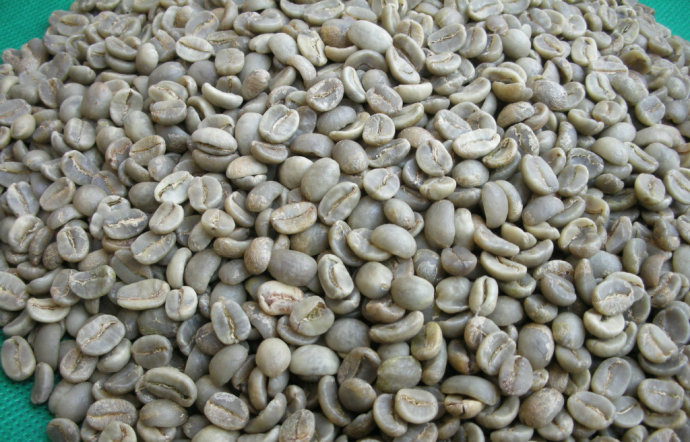
The difference between Coffee Bean washing and semi-washing
The washing refining of coffee began in the mid-18th century. In the refining process, the pulp of the coffee fruit is first removed, then the residual mucous membrane on the inner pericarp is removed by a fermentation tank, and the beans are washed and dried. The difference between non-washing refining and water-washing refining is that the non-washing refining method is dried and then the pulp is removed, while the washing method is to remove the pulp and then dry! Washing type refining
2016-01-16 Coffee fruit picking raw beans treatment method coffee beans washing distinction
Coffee Bean Processing
Natural drying method Coffee refining process Coffee cherries (coffee cherries) Selection and treatment of green beans Harvesting sun field (sun exposure) Shelling machine (removal of pulp, etc.) Electronic bean sorter or wind bean sorter (hand)
2014-07-04 Coffee knowledge Coffee bean processing Coffee encyclopedia
Coffee refining methods are mainly divided into three categories.
There are a pair of oval seeds in the center of the fruit of the coffee tree, which are covered with exocarp, endocarp and pulp. Ripe fruit will rot in a short period of time without treatment, so the purpose of refining is to enable coffee beans to be preserved for a long time, easy to store and circulate. After the fresh coffee fruit is harvested, it should be dealt with immediately. Refining is to remove the skin and pulp of the coffee fruit, and then take the seeds.
2015-11-04 Coffee making method main category
Processing method of high-quality coffee beans coffee refining method
There are a pair of oval seeds in the center of the fruit of the coffee tree, which are covered with exocarp, endocarp and pulp. Ripe fruit will rot in a short period of time without treatment, so the purpose of refining is to enable coffee beans to be preserved for a long time, easy to store and circulate. Figure (1) Coffee fruit Coffee fresh fruit should be dealt with immediately after being harvested. Refining is to remove the peel and pulp of coffee fruit
2015-04-11 Boutique coffee beans treatment method coffee making method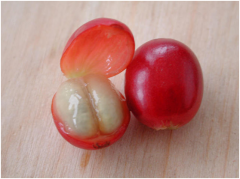
Processing method of high-quality coffee beans coffee refining method
There are a pair of oval seeds in the center of the fruit of the coffee tree, which are covered with exocarp, endocarp and pulp. Ripe fruit will rot in a short period of time without treatment, so the purpose of refining is to enable coffee beans to be preserved for a long time, easy to store and circulate. Figure (1) Coffee fruit Coffee fresh fruit should be dealt with immediately after being harvested. Refining is to remove the peel and pulp of coffee fruit
2015-01-23 Boutique coffee beans treatment method coffee fruit center pair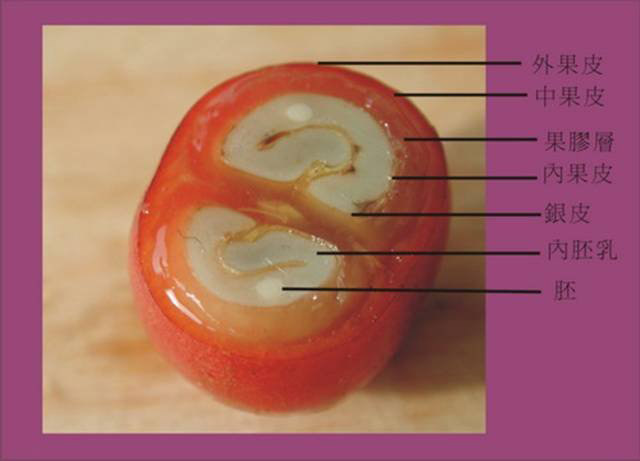
The treatment method of high-quality coffee beans-details of coffee refining method
There are a pair of oval seeds in the center of the fruit of the coffee tree, which are covered with exocarp, endocarp and pulp. Ripe fruit will rot in a short period of time without treatment, so the purpose of refining is to enable coffee beans to be preserved for a long time, easy to store and circulate. Figure (1) Coffee fruit Coffee fresh fruit should be dealt with immediately after being harvested. Refining is to remove the peel and pulp of coffee fruit
2015-11-30 Boutique coffee beans treatment method coffee making method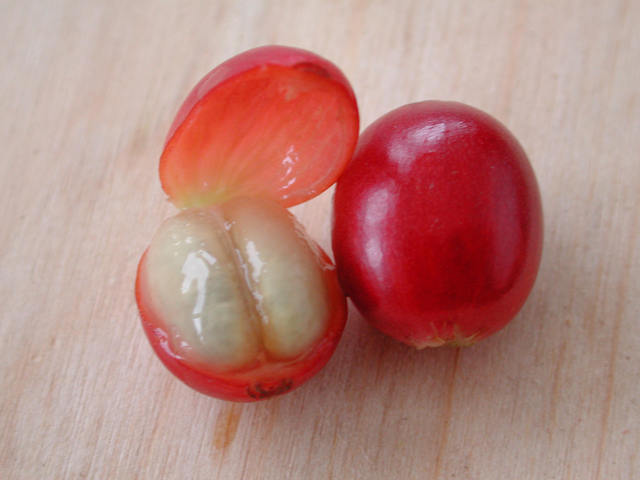
The treatment process from Coffee Fruit to Coffee Raw beans after picking Coffee Fruit
There are a pair of oval seeds in the center of the coffee fruit, which are covered with outer skin, endocarp and pulp. Ripe fruits rot in a short period of time without treatment, so the purpose of refining is to preserve coffee beans for a long time so that they can be stored and circulated. Refining is to remove the skin and pulp of the coffee fruit, and then take out the seeds. The general methods of refining are drying, washing, and
2016-01-16 Coffee fruit picking raw beans treatment process drying sun drying coffee
Processing method of high-quality coffee beans coffee refining method
There are a pair of oval seeds in the center of the fruit of the coffee tree, which are covered with exocarp, endocarp and pulp. Ripe fruit will rot in a short period of time without treatment, so the purpose of refining is to enable coffee beans to be preserved for a long time, easy to store and circulate.
2014-08-19 Coffee knowledge boutique coffee beans coffee bean processing methods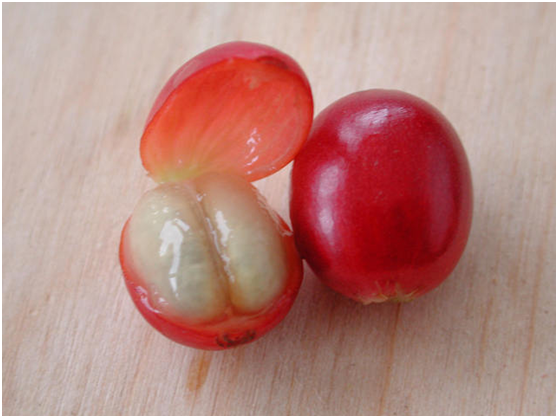
Coffee refining-a common method for the treatment of fine coffee beans
[introduction] there are a pair of oval seeds in the center of the fruit of the coffee tree, which are covered with exocarp, endocarp and pulp. Ripe fruit will rot in a short period of time without treatment, so the purpose of refining is to enable coffee beans to be preserved for a long time, easy to store and circulate. Figure (1) Coffee tree has a pair of oval seeds in the center of the fruit, which are covered by exocarp, endocarp and pulp.
2015-11-18 Coffee preparation boutique coffee beans commonly used treatment methods
Purification of coffee beans semi-washing coffee bean treatment
Semi-washing type is a mixture of drying type and water washing type, and it is also a compromise between the two. The practice is to wash the coffee beans in water, remove all the pulp of the coffee with a machine, dry it in the sun, and end it in use. What is different from the water washing refining method is that in this process, the coffee fruit is put into the fermentation tank, and the quality is more stable than the dry one. BA
2015-11-04 Coffee beans preparation washing treatment drying mixed type also both medium
What kind of coffee can be honey treated?
Fresh coffee should be processed immediately after harvest. Refining is to remove the skin and pulp of coffee fruit, and then remove the seeds from the shell, which is what we often call raw coffee beans. After refining, the coffee beans are still green beans, and then they are roasted, which makes coffee beans of various flavors that we usually drink. 1. Coffee refining methods Coffee refining methods are mainly divided into three categories: dry
2016-05-24 what kind of coffee can be processed?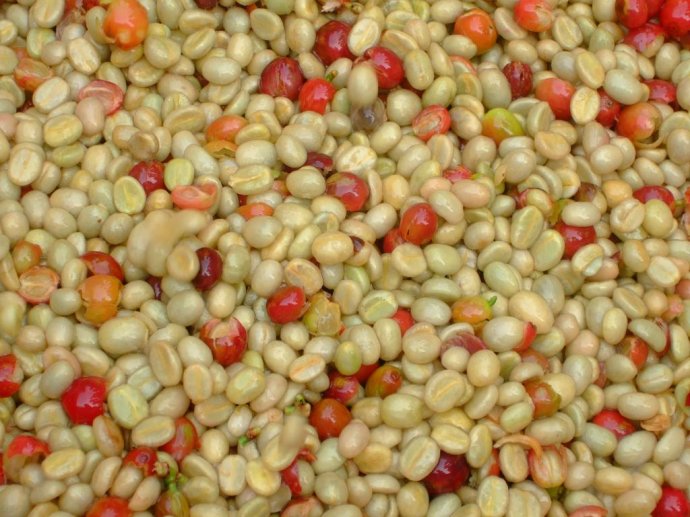
The purification of coffee beans-the source and operation points of coffee semi-washing method are introduced in detail.
Semi-washing type is a mixture of drying type and water washing type, and it is also a compromise between the two. The practice is to wash the coffee beans in water, remove all the pulp of the coffee with a machine, dry it in the sun, and end it in use. What is different from the water washing refining method is that in this process, the coffee fruit is put into the fermentation tank, and the quality is more stable than the dry one. BA
2015-12-29 Coffee beans processing way washing drying mixed type also both neutral do

Introduction of Yejia Snow Coffee beans for washed Refining
The main producing areas of Ethiopian coffee are Harald (Harar) in the east, Djimmah (southwest) and Sidamo (south). The unique fragrance of Yirgacheffe comes from Yirga, a small town in the northwest of Sidamo province. Yirgacheffe is a global coffee connoisseur.
2016-06-21 Washing washed making method Yega Snow Coffee Coffee Bean introduction Ethiopia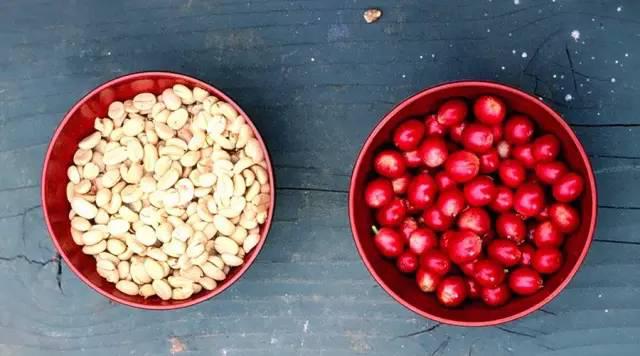
Classification and introduction of Refining methods of Coffee Raw beans
When drinking hand cups in a good cafe, the barista is sure to mention these proper terms when introducing beans. Whether washing in water or in the sun, in fact, it is the refined way of coffee beans (processing). What is refined way to review first, we usually say coffee beans are actually seeds; the fruit of coffee is called coffee cherry (Coffee Cherry).
2015-12-07 Coffee raw beans refining processing methods classification introduction knowledge essentials must see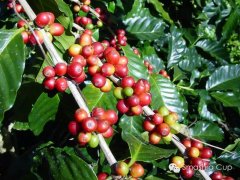
Tropical fruity aromas Balinese bright with complex acidity rich coffee beans boutique coffee
The recovery method and refining method adopted. Generally speaking, manual recovery and water washing refining methods are preferred. Fine coffee varieties. Arabica native varieties Tibica or Bourbon varieties are preferred. Is the altitude, terrain, climate, soil, and refining method of the cultivation site or farm clear? Generally speaking, coffee quality is higher at high altitudes, and fertile volcanic soil is better.
2016-06-30 tropical fruit aroma bali bright complex acidic flavor rich coffee bean