“Development status” search results (300)

A brief introduction to Yunnan Hougu Coffee Development status of Hougu Coffee in China
Hougu Coffee is the first local coffee brand in China. in addition, there are no other large-scale brands in China. Relying on the huge domestic consumer market and development potential, Hougu Coffee has good market development conditions. Hougu Coffee has a profound Chinese cultural heritage, absorbing the cultural traditions of Taoism and Confucianism. The meaning of Hougu comes from the moral Sutra, and the latter represents the king as the queen.
2016-03-02 Yunnan Coffee brief introduction Development status China
Development status of Mocha Coffee in Yemen
(1) the total output has continued to decline in recent years since 2001, and Yemeni coffee production has declined year by year due to various reasons. The annual output has dropped from 11906 tons in 2001 to 11608 tons in 2003, 11590 tons in 2004, to about 11000 tons in 2008. In recent years, despite the rising prices in the international coffee market, the coffee industry in Yemen has not boomed with it, but sharply.
2016-06-07 Yemen Mocha coffee development status in recent years total output sustained declining 20
Some of the most famous coffee shops in China the development status of domestic coffee in Guangzhou
If you are a coffee enthusiast, you can't resist the temptation here. Jerry Baldwin, an English teacher, Zev Siegel, a history teacher, and Gordon Bowker, a writer, founded the world's first Starbucks in Seattle Park Market in 1971. From the beginning of mainly selling high-quality coffee beans and coffee equipment, it has developed into a world-famous multinational coffee chain.
2016-10-18 China domestic famous several coffee shop Guangzhou coffee development status if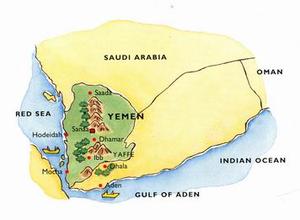
Details of coffee producing areas: the development status of coffee industry in Yemen
First, the history of Yemeni coffee (1) the origin of mocha coffee is in Yemen, the origin of mocha coffee is very wide, these coffees have their own characteristics and differences from quality to taste, but because these coffees have been shipped and exported from the port of Mocha in Yemen to markets around the world, they are collectively called mocha coffee. The port of Mocha is located along the Red Sea north of the Mande Strait.
2015-12-09 Coffee producing areas details introduction Yemen development status
The status of boutique coffee in the world the value proposition of coffee
Coffee, tea and cocoa are the three most famous drinks in the world, among which coffee is the world's largest beverage in terms of sales and purchase of raw materials, second only to oil. The value of coffee is not limited to serving as a drink. Today, let's talk about the value proposition of coffee. Because coffee contains starch, lipids, proteins, sugars, caffeine, aromatic substances, natural antidotes and other organic substances
2015-02-06 Boutique coffee world status value proposition tea but famous all over the world
VOA reports on coffee in China The status of coffee practitioners in China
Chris, one of the owners of the "first coffee" yesterday, said: The reason why the average status of Chinese coffee practitioners is low, the salary is low, and the quality is low is caused by the wrong ideas of the country. Coffee shops are not profitable. How can baristas earn high salaries? It's not like coffee shops in Australia selling thousands of cups a day! Of course the barista there makes a lot of money.
2016-07-28 VOA China Coffee Reporting Practitioner Society Status
Growth status of boutique coffee trees leaves and flowers of coffee
Coffee leaves opposite, usually two rows spreading, individual single leaf whorl, petiole short, leaf leathery, green (dark green on the upper surface, light green on the lower surface). Glossy oval, oval to long oval. The leaf size of small-grain coffee is relatively uniform, the leaf is small and the end is longer, and the leaf edge wave is obvious, about 12-16 cm long and 5-7 cm wide. The leaves of the medium grain species are long and large, soft and thin.
2015-05-15 Boutique Coffee growth condition opposite leaves opposite General two rows flat
General knowledge of Coffee Culture the Development History of Colombian Coffee
Coffee was first introduced to Colombia in 1808 when it was brought by a priest from the French Antilles via Venezuela. Today, the country is the second largest producer after Brazil, with an annual output of 13 million bags of 60 kg each, while Brazil produces 22 million bags a year. The status of coffee in Colombia can be seen in the following examples-all entering the
2015-01-16 Coffee culture common sense Columbia coffee history of development 1808 first
Annual Summary | Analysis of the Development of Coffee and Coffee Shop Market in China in 2015
If coffee shop operators and retailers do not realize that coffee prices must be reduced, and if they insist on a single marketing model, I do not think China will become the world's largest coffee consumption market in the future.
2016-08-05 Year Summary 2015 China Coffee Cafe Market Development status
Coffee from abroad to China
Coffee originated in foreign countries. In the early days, only some wealthy middle-class or above families could afford it. It was only in the last century that coffee became popular in our country.
2014-07-23 Coffee culture domestic foreign coffee encyclopedia
Angora coffee beans
Angola's Angola, which has been growing coffee for more than 100 years, ranked first in Africa until 1960 and reached 225000 tons in 1979, ranking second in Africa and fourth in the world. The output in 1992 was 5000 tons. Sisal production is second only to coffee, and the level of per unit yield is higher. In 1986, the output reached 20,000 tons, sisal ranked second in Africa both in terms of output and export volume. Luo'an, Xinhuanet
2014-06-30 Angola coffee bean Angola coffee bean price African boutique coffee bean
African coffee Angora coffee beans
Angolan coffee Angola Angola has been growing coffee for more than 100 years, and its output has been the first in Africa until 1960, reaching 225000 tons in 1979, ranking second in Africa and fourth in the world. The output in 1992 was 5000 tons. Sisal production is second only to coffee, and the level of per unit yield is higher. In 1986, the output reached 20,000 tons, sisal ranked second in Africa both in terms of output and export volume.
2014-09-18 African coffee Angolan coffee beans
Price of Angolan coffee beans
Angolan coffee Angola Angola has been growing coffee for more than 100 years, and its output has been the first in Africa until 1960, reaching 225000 tons in 1979, ranking second in Africa and fourth in the world. The output in 1992 was 5000 tons. Sisal production is second only to coffee, and the level of per unit yield is higher. In 1986, the output reached 20,000 tons, sisal ranked second in Africa both in terms of output and export volume.
2014-09-17 Angolan coffee Angolan coffee bean price
African specialty coffee Angola boutique coffee beans
Angolan coffee Angola Angola has been growing coffee for more than 100 years, and its output has been the first in Africa until 1960, reaching 225000 tons in 1979, ranking second in Africa and fourth in the world. The output in 1992 was 5000 tons. Sisal production is second only to coffee, and the level of per unit yield is higher. In 1986, the output reached 20,000 tons, sisal ranked second in Africa both in terms of output and export volume.
2014-07-22 Price of African coffee beans Angola coffee beans
Burundi Coffee Flavor Variety Production Characteristics Boutique Coffee Farm Introduction
Le Parti de lUnit pour le Prés National-UPRONA (Party for Progress and Unity of Nations), founded in January 1959, is the largest Tutsi political party. After independence, the government was in power for a long time. After losing the multiparty elections in June 1993, he lost his ruling party status. After Buyoya returned to power in 1996, there was a split in the party, with radical groups opposing Buyoya's ethnic and political views.
2016-09-22 Burundi Coffee Flavor Variety Region Characteristics Boutique Coffee Bean Manor Medium
The production of Angolan coffee beans ranked first in Africa until 1960.
Angola's Angola, which has been growing coffee for more than 100 years, ranked first in Africa until 1960 and reached 225000 tons in 1979, ranking second in Africa and fourth in the world. The output in 1992 was 5000 tons. Sisal production is second only to coffee, and the level of per unit yield is higher. In 1986, the output reached 20,000 tons, sisal ranked second in Africa both in terms of output and export volume. Luo'an, Xinhuanet
2015-04-17 Angola coffee beans production 1960 years ago always Africa number one
Brazilian Coffee Datra Manor Plantation
The great economic crisis that broke out in 1929 sharply reduced the world consumption of coffee, which dealt a heavy blow to the Brazilian coffee plantation economy. Since then, the proportion of Brazilian coffee production in export earnings has plummeted. In the past 30 years, with the rise and development of Brazilian modern industry, especially steel, shipbuilding, automobile and aircraft manufacturing, the status of coffee in the national economy has declined year by year.
2016-06-14 Brazil Coffee Tara Manor Plantation 1929 outbreak Economic crisis
Analysis on the present situation of capsule Coffee Development geisha Coffee and Coffee Bean Market
Capsule coffee is a new type of coffee product, which has developed rapidly in the past 30 years, and occupies an important position in the coffee consumption market because of its superior quality and convenience. The encapsulated coffee made by sealing the ground and roasted coffee powder in a special capsule has a special flavor and long-lasting quality. combined with the brewing of the capsule coffee machine, the brewing process is simple and fast.
2016-04-19 Capsules Coffee Development status Analysis geisha Coffee beans Market capsules
VOA's report on Chinese Coffee
I also think of what Chris, one of the bosses of first Coffee, said yesterday: the reason why Chinese coffee practitioners have low average status, low salary and low quality is caused by misconceptions in their own country. How can the salary of a barista be high if the cafe is not profitable? It's not like a cafe in Australia selling thousands of cups a day! The baristas there certainly make a lot of money from his words until now.
2016-06-14 VOA China Coffee report
Coffee is one of the taboos for office workers to drink coffee
Coffee is a favorite food for many people, especially office workers. Coffee can be refreshing, improve work efficiency and work status, so many people drink coffee when they are tired, and parties usually like to have a cup of coffee to chat. Coffee not only has many refreshing effects, but coffee must pay special attention to its taboos when drinking coffee.
2015-01-23 Coffee office workers pick-me-up sharp weapons those taboos coffee a lot of people love