“Crops” search results (2563)

Introduction to the characteristics of coffee flavor and taste of Arusha Coffee Manor in Tanzania with elegant acidity
. Since 1986, it has accepted the adjustment plan of the International Monetary Fund (IMF) and the World Bank, and implemented the three-year economic recovery plan for three consecutive times. The Tanzanian government takes poverty alleviation as the focus of government work, implements the economic reform policy centered on economic restructuring, promotes the process of economic liberalization and privatization of state-owned enterprises, and adheres to moderately tight fiscal and monetary policies to ensure that the national economy
2016-09-12 Elegant sour Tanzania Arusha coffee manor flavor taste producing area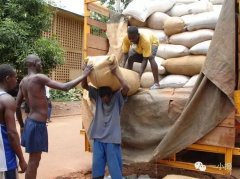
Java in Cameroon introduces the shape of coffee beans.
Abstract: Cameroon has the characteristics of soil quality, climate and topography, which is suitable for the growth of many kinds of crops. The main crops are coffee, cocoa, cotton and other cash crops and millet, sorghum, corn and other food crops. Cameroon is rich in Rob Coffee Raw beans. Cameroon has the characteristics of soil quality, climate and topography, which is suitable for the growth of many kinds of crops. The main crop is coffee.
2016-05-05 Cameroon Jiawa java long shape introduction coffee beans shape
Introduction to West Africa-West Cameroon Plateau producing area of java long Bean
Abstract: Cameroon has the characteristics of soil quality, climate and topography, which is suitable for the growth of many kinds of crops. The main crops are coffee, cocoa, cotton and other cash crops and millet, sorghum, corn and other food crops. Cameroon is rich in Rob Coffee Raw beans. Cameroon has the characteristics of soil quality, climate and topography, which is suitable for the growth of many kinds of crops. The main crop is coffee.
2016-05-04 Cameroon Jiawa java long shape introduction Africa West Origin
Rain may hinder the harvest of coffee crops in Brazil
Harvest in Brazil, the world's largest producer of coffee and sugar cane, is likely to slow as rain is expected to fall for four to five days in southeastern Brazil from Thursday, forecasters said on Thursday. Brazil is currently in a dry season, consistent with the peak harvest of sugar cane and coffee crops in the region. The dry season in Brazil usually begins in May and lasts until September. Rainfall helps coffee trees in Brazil
2014-07-23 Coffee news Brazilian coffee rainfall crop harvest
Cameroon coffee
Cameroon has the characteristics of soil quality, climate and topography, which is suitable for the growth of many kinds of crops. The main crops are coffee, cocoa, cotton and other cash crops and millet, sorghum, corn and other food crops. Cameroon is rich in Rob Coffee Raw beans. Rich volcanic soil, high altitude, moderate rainfall-all of which make Cameroon an ideal place to grow good coffee
2014-06-30 Cameroon coffee Cameroon coffee bean price South American boutique coffee
Leaf rust sweeps coffee plantations in Central America
According to a recent report released by the International Coffee Organization, the production of coffee crops in Central America has been reduced by about 15% in 2012 and 2013 due to leaf rust. As the overall economic growth in Central America slows, coffee growers in the region will suffer a double whammy of reduced production of coffee crops and a collapse in coffee prices, which will also hit the economies of Central American countries hard. As the coffee crop in Central America is in the international coffee market.
2014-05-13 Coffee news coffee beans barista coffee powder
Coffee News Why Coffee Is Dangerous
Stunning Solitude At a cafe in Turrialba, Costa Rica, guests stand on the restaurant balcony overlooking the lush hills opposite, and drink only white water or pineapple juice instead. This is March 2014, when about 20 people gathered at the Tropical Agricultural Research and Higher Education Center (CATIE) in Turiarva, including some of the world's top
2014-11-03 Coffee News Coffee Danger
Flavor and taste characteristics of Tanzanian coffee with pure flavor introduction of fine coffee in manor producing area
Pyrethrum: mainly planted by small farmers, the planting area is distributed in the southern highlands of Mbeya District and Iringa District. The annual output is estimated at 2500 tons. The centralized management department of the industry is the Tanganyika Bureau of exterminating Chrysanthemum. Oil crops: non-traditional crops, including industrial and oil crops, such as castor, sunflower, peanut, sesame, coconut, cottonseed and soybean. Many provinces are suitable.
2016-08-16 Flavor authentic Tanzania coffee taste characteristics manor producing area boutique introduction
Coffee flavor, one of the main cash crops in Tanzania, introduces Arusha Coffee Manor.
Coffee is one of the main cash crops in Tanzania, ranking fourth after cotton, tobacco and cashew nuts, mainly sold to Italy, Japan and the United States. Coffee exports play an important role in the national economy of Tanzania. Tanzania's main coffee producing area is located at the foot of Mount Kilimanjaro, which is rich in volcanic soil and coffee trees planted here.
2016-07-14 Tanzania yes cash crops one coffee flavor taste introduction Aru
How organic coffee is different from traditional coffee
Coffee factories have traditionally been accompanied by shade trees and other food and commodity crops. This approach is done for healthier soil and prevented water pollution. Unfortunately, many coffee growers have abandoned this approach in favor of larger crops and greater profits. However, integrated pesticides, herbicides and fertilizers have become necessary to maintain these crops and make coffee with them.
2014-08-20 Coffee knowledge organic coffee traditional coffee difference
Coffee common sense how organic coffee is different from traditional coffee
Coffee factories have traditionally been accompanied by shade trees and other food and commodity crops. This approach is done for healthier soil and prevented water pollution. Unfortunately, many coffee growers have abandoned this approach in favor of larger crops and greater profits. However, integrated pesticides, herbicides and fertilizers have become necessary to maintain these crops and make coffee with them.
2014-12-01 Coffee common sense organic how tradition different coffee factory
Coffee common sense how organic coffee is different from traditional coffee
Coffee factories have traditionally been accompanied by shade trees and other food and commodity crops. This approach is done for healthier soil and prevented water pollution. Unfortunately, many coffee growers have abandoned this approach in favor of larger crops and greater profits. However, integrated pesticides, herbicides and fertilizers have become necessary to maintain these crops and make coffee with them.
2015-01-15 Coffee common sense organic how tradition different coffee factory traditionally grow in
Coffee Defense War to find Super genes to Save Coffee
In March, about 20 people, including the world's top coffee researchers, gathered at the Centre for Tropical Agricultural Research and higher Education (CATIE) in Turialva, Costa Rica, to discuss the uncertain future of coffee, the world's most popular beverage crop, in Central America. The theme of the seminar was a very harmful agricultural disease: coffee rust in local Spanish.
2014-11-03 Coffee news coffee genes coffee
Coffee common sense what is the difference between organic coffee and traditional coffee
Coffee factories have traditionally been accompanied by shade trees and other food and commodity crops. This approach is done for healthier soil and prevented water pollution. Unfortunately, many coffee growers have abandoned this approach in favor of larger crops and greater profits. However, integrated pesticides, herbicides and fertilizers have become necessary to maintain these crops and make coffee with them.
2015-03-10 Coffee common sense organic tradition difference where coffee factory traditionally long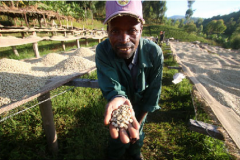
Defense of Coffee in Central America: searching for Super genes to Save Wild Coffee
In March, about 20 people, including the world's top coffee researchers, gathered at the Centre for Tropical Agricultural Research and higher Education (CATIE) in Turialva, Costa Rica, to discuss the uncertain future of coffee, the world's most popular beverage crop, in Central America. The theme of the seminar was a very harmful agricultural disease: coffee rust in local Spanish.
2016-06-27 Central America Coffee Defense Exploration Salvation Wild Super Genome this year 3
Organic Coffee and traditional Coffee
How organic coffee differs from traditional coffee: coffee factories traditionally grow in shade trees and other food and commodity crops. This approach is done for healthier soil and prevented water pollution. Unfortunately, many coffee growers have abandoned this approach in favor of larger crops and greater profits. However, integrated pesticides, herbicides and fertilizers have become necessary
2014-08-06 Coffee knowledge organic coffee traditional coffee
Mild, supple and well-balanced San Pedro Manor Coffee beans
These two hurricanes destroyed the local coffee industry, and farmers had to wait two years to get their crops back to normal. During this period, the United States was very interested in Puerto Rico's sugar production. Coupled with the fact that European countries no longer impose tariffs on Puerto Rican coffee beans as crops produced in their colonies, Puerto Rico coffee has been hit hard. The Caribbean is a warm, romantic and mysterious sea, many good
2016-06-17 Taste mild supple balanced well-balanced Puerto Rico San Pei Delo Manor Cafe
Introduction to the producing area of Brazilian Coffee Manor with strong fragrance
In terms of natural conditions, Brazil is in the tropics, with a tropical rain forest climate in the north, hot and humid all the year round, suitable for tropical crops, coffee trees are sunny crops, and sufficient sunlight is the condition for their growth. Historically, Brazil has been a Portuguese colony for a long time. In order to meet the needs of Western Europe, Brazilian coffee has been growing single crops for a long time and developing tropical plantations.
2016-07-04 Strong fragrant boutique Brazil coffee manor producing area introduction nature bar
Coffee compares how organic coffee is different from traditional coffee
How organic coffee differs from traditional coffee: coffee factories traditionally grow in shade trees and other food and commodity crops. This approach is done for healthier soil and prevented water pollution. Unfortunately, many coffee growers have abandoned this approach in favor of larger crops and greater profits. However, integrated pesticides, herbicides and fertilizers have become necessary
2015-02-07 Coffee compare organic how tradition different coffee pass
Organic Coffee and traditional Coffee Fine Coffee
How organic coffee differs from traditional coffee: coffee factories traditionally grow in shade trees and other food and commodity crops. This approach is done for healthier soil and prevented water pollution. Unfortunately, many coffee growers have abandoned this approach in favor of larger crops and greater profits. However, integrated pesticides, herbicides and fertilizers have become necessary
2015-07-28 Organic coffee tradition boutique common sense organic how different