Where does the bitterness in coffee come from?
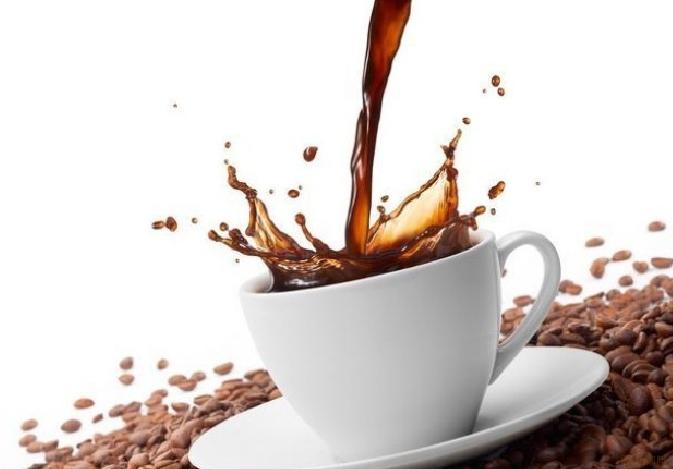
Many people will think that caffeine is the source of coffee bitterness, but in fact caffeine accounts for only 1/10 of the bitterness, so where does the remaining 90% come from?
1. Brown pigment
Brown pigment is divided according to the size of the molecule, and the bigger the molecule, the stronger the bitterness. In the process of baking, deep baking will increase the brown pigment, and the brown pigment with larger molecules will also increase. So when drinking deep-baked coffee, you will find that it has a strong bitter taste. Arabica and Congo coffee beans have different bitterness and taste, which is due to the amount and molecular size of brown pigment. The content of oligosaccharides in Congo is relatively low, and caramelization will not occur, so it is easy to produce brown pigments with large molecules, and it is easy to produce bitterness even if it is baked lightly.
2. Amino acids and proteins
Cyclic diaminic acid is produced during the heating of amino acid and protein, which is a substance produced by the combination of two amino acids. The intensity of bitterness varies with the way of combination. In addition to coffee, cocoa, dark beer and other substances are also produced by it.
However, the bitterness can be controlled by changing the type of coffee beans, the way of baking, the degree of baking and the method of extraction. Acid, etc.
Share
Follow Coffee Search for the latest coffee updates. Reproduced from "Coffee Search"
Article URL: https://www.coffeesearch.net/coffee39442.html
Related Articles
- Detailed explanation of Jadeite planting Land in Panamanian Jadeite Manor introduction to the grading system of Jadeite competitive bidding, Red bid, Green bid and Rose Summer
- Story of Coffee planting in Brenka region of Costa Rica Stonehenge Manor anaerobic heavy honey treatment of flavor mouth
- What's on the barrel of Blue Mountain Coffee beans?
- Can American coffee also pull flowers? How to use hot American style to pull out a good-looking pattern?
- Can you make a cold extract with coffee beans? What is the right proportion for cold-extracted coffee formula?
- Indonesian PWN Gold Mandrine Coffee Origin Features Flavor How to Chong? Mandolin coffee is American.
- A brief introduction to the flavor characteristics of Brazilian yellow bourbon coffee beans
- What is the effect of different water quality on the flavor of cold-extracted coffee? What kind of water is best for brewing coffee?
- Why do you think of Rose Summer whenever you mention Panamanian coffee?
- Introduction to the characteristics of authentic blue mountain coffee bean producing areas? What is the CIB Coffee Authority in Jamaica?