Is the coffee quality of Costa Rican small farmers guaranteed? how is the coffee flavor in Tarazhu area?
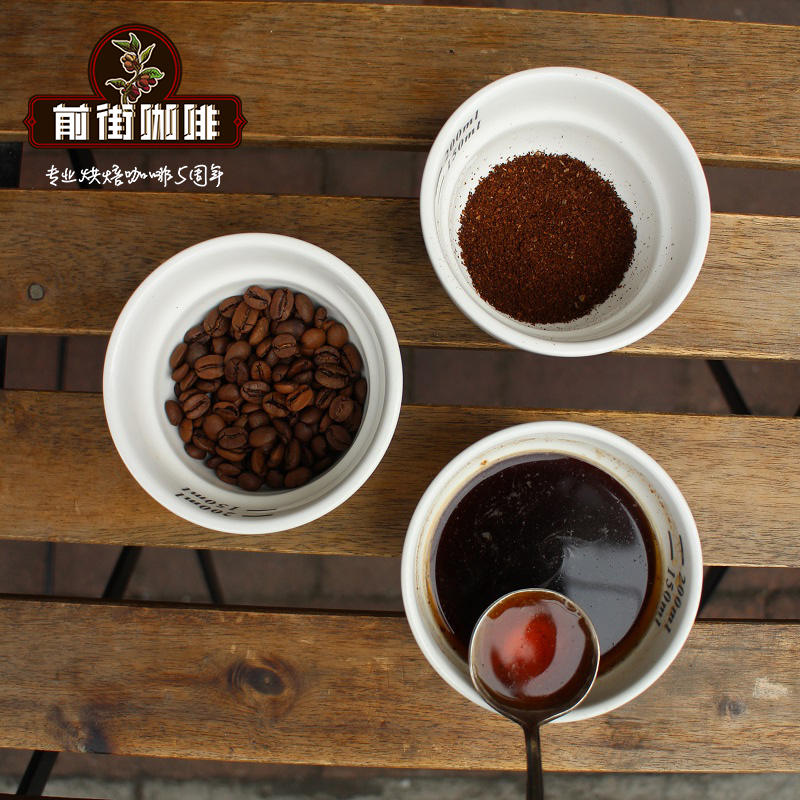
Costa Rican coffee has long been considered a luxury product of full-washed Arabica coffee characterized by sweet and sour, and in recent years, as niche specialty coffee production centers such as Micromill, it has been the most popular product.
In Costa Rica, housing development in coffee-producing areas has led to a reduction in the production area as a result of economic development.
In addition, since there are many large washing plants, environmental pollution caused by drainage is a problem, but we recommend adopting water-saving washing processes and becoming a model country for environmentally friendly coffee production.
Purification is a honey process. The pulp and mucus are attached to parchment paper and dried.
During the drying process, the moisture content is reduced to a suitable level over a period of more than one week, and sweet ingredients penetrate into the product, giving it a soft taste and delicate flavor as well as berry and chocolate flavors.
At least 1 cent (minimum) per pound of coffee exported from the project has been donated to state conservation programs and other activities to protect wild jaguars. Jaguars live in the jungles of Latin America and were deified in ancient Mayan civilization.
However, in recent years, due to deforestation and other reasons, its habitat area has decreased, making it an endangered species.
Country: Costa Rica Fiscal year: 2003
Production areas: Tres Rios and Talas
Producers (farms): approximately 100 small farmers receiving production instruction
Grade: SHB
Breeds: Kadura, Kaduai
Processing method: honey processing
Altitude: 1400-1700m
Harvest time: November to February
Share
Follow Coffee Search for the latest coffee updates. Reproduced from "Coffee Search"
Article URL: https://www.coffeesearch.net/coffee141409.html
Related Articles
- Does Rose Summer choose Blue, Green or Red? Detailed explanation of Rose Summer Coffee plots and Classification in Panamanian Jade Manor
- What is the difference between the origin, producing area, processing plant, cooperative and manor of coffee beans?
- How fine does the espresso powder fit? how to grind the espresso?
- Sca coffee roasting degree color card coffee roasting degree 8 roasting color values what do you mean?
- The practice of lattes: how to make lattes at home
- Introduction to Indonesian Fine Coffee beans-- Java Coffee producing area of Indonesian Arabica Coffee
- How much will the flavor of light and medium roasted rose summer be expressed? What baking level is rose summer suitable for?
- Introduction to the characteristics of washing, sun-drying or wet-planing coffee commonly used in Mantenin, Indonesia
- Price characteristics of Arabica Coffee Bean Starbucks introduction to Manning Coffee Bean Taste producing area Variety Manor
- What is the authentic Yega flavor? What are the flavor characteristics of the really excellent Yejasuffi coffee beans?