Yemeni mocha coffee Shannani features introduction to introduce you to Yemeni coffee
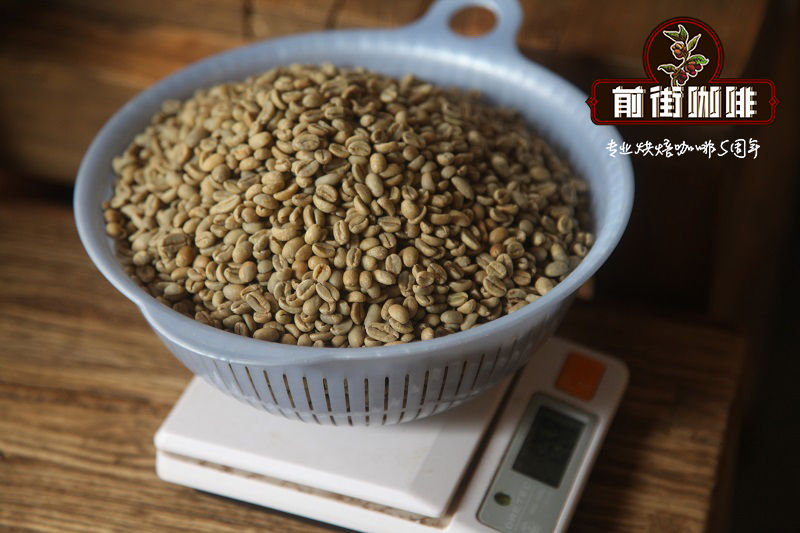
Country: Yemen Fiscal year: 2003
Production area: Shanani
Farm Name: Small
Grade: Naturally dried Arabica beans, no regulatory body, no grading system
Altitude: 1,650 m
Certification: No Certification All coffee is organically grown according to ancient methods, without the use of pesticides and other chemicals
Varieties: 10 special native mocha species, mainly Jaa di,Taffahi, Dawairi
Treatment: African (sun) elevated bed drying
Harvest time: main crop harvest period from October to December, secondary harvest in some areas in April
Aroma/flavor: banana, spice, cinnamon, clove, bergamot, maple syrup, longan, chocolate
Acid value: citrus, plum, cherry, tartaric acid
Complexity: rose perfume, creamy taste, intense, caramel sweetness, lingering fruit wine flavor,
Yemeni coffee is not easy to grow. Most farmland is planted with Qat grass, which is said to have mild refreshing effects. This plant absorbs water from the ground and breaks the underground aquifer. Growing coffee is different. I hope that changes can be made to make farmers stop growing Qat grass.
But qat is dozens of times more profitable than coffee, and coffee beans can only be grown in small areas under qat if the government persuades farmers to do so. Perhaps this leaves a lot more room for imagination.
Sanani, Yemen is located in the capital area. Coffee is grown on terraces. There is no wild variety with information to verify. Sanani's biggest characteristic green beans have a fermented wine fragrance. The mature fermented wine fragrance is not available in other countries.
Share
Follow Coffee Search for the latest coffee updates. Reproduced from "Coffee Search"
Article URL: https://www.coffeesearch.net/coffee141175.html
Related Articles
- Detailed explanation of Jadeite planting Land in Panamanian Jadeite Manor introduction to the grading system of Jadeite competitive bidding, Red bid, Green bid and Rose Summer
- Story of Coffee planting in Brenka region of Costa Rica Stonehenge Manor anaerobic heavy honey treatment of flavor mouth
- What's on the barrel of Blue Mountain Coffee beans?
- Can American coffee also pull flowers? How to use hot American style to pull out a good-looking pattern?
- Can you make a cold extract with coffee beans? What is the right proportion for cold-extracted coffee formula?
- Indonesian PWN Gold Mandrine Coffee Origin Features Flavor How to Chong? Mandolin coffee is American.
- A brief introduction to the flavor characteristics of Brazilian yellow bourbon coffee beans
- What is the effect of different water quality on the flavor of cold-extracted coffee? What kind of water is best for brewing coffee?
- Why do you think of Rose Summer whenever you mention Panamanian coffee?
- Introduction to the characteristics of authentic blue mountain coffee bean producing areas? What is the CIB Coffee Authority in Jamaica?