Introduction to the characteristics of Tanzanian coffee | what's the difference between Tanzanian coffee and Kenyan coffee?
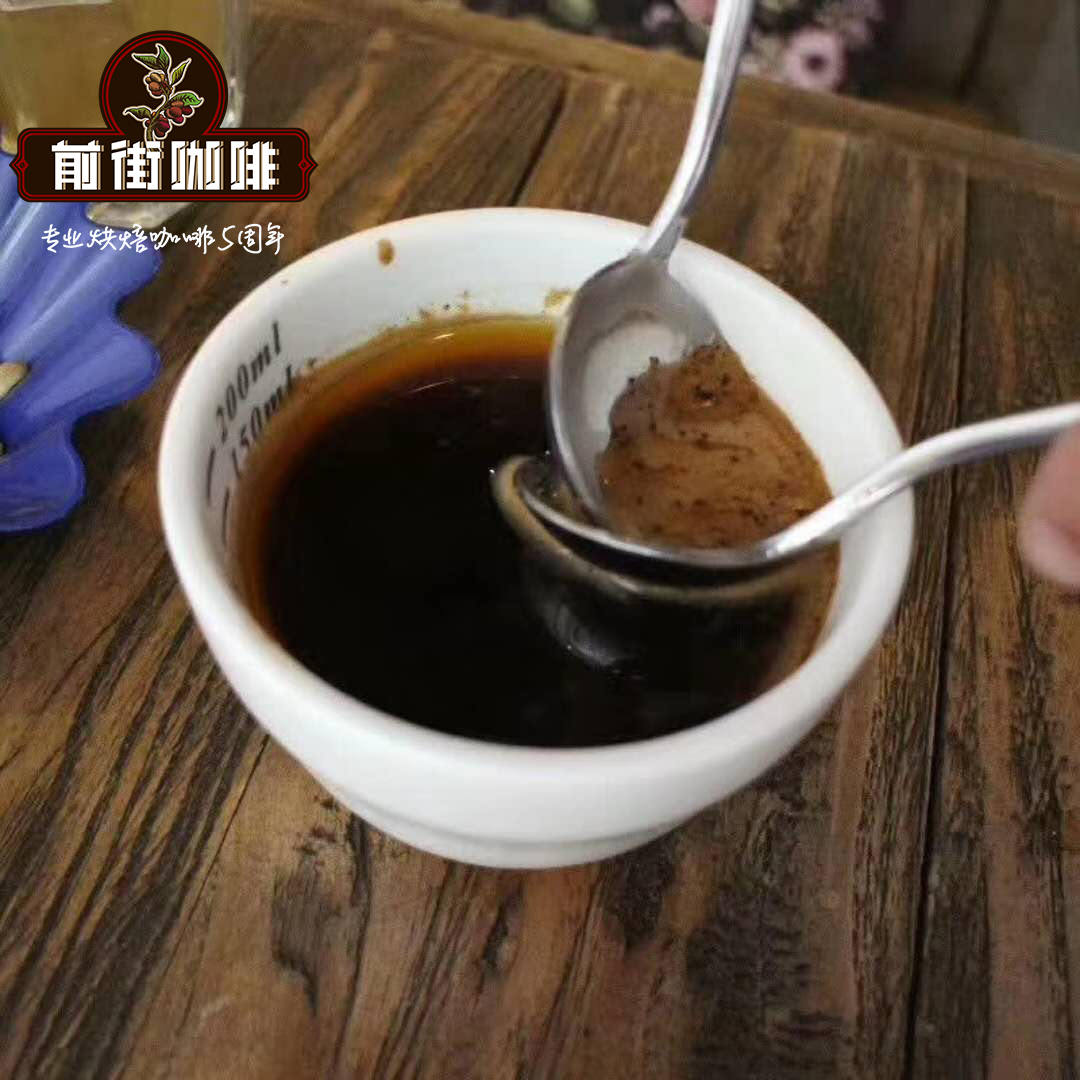
Tanzanian coffee reviews are somewhat similar to Kenyan coffee, but also present bright and vibrant acidity, sometimes even sharp, and have a rich, rich and intense taste. High quality Tanzanian coffee usually has a medium to full, rich, silky taste with sweet berry, fruity notes and sometimes cedar notes.
Tanzania's major coffee-growing areas include Meru, Mosi (on the slopes of Mount Kilimanjaro), Oldeani (in Arusha) and Pare, the plateau between Lake Taganica and Lake Nyasa, and Ruvuma, the capital of Sofia, in southeastern Tanzania, where the Ruvuma River forms most of the southern border with Mozambique.
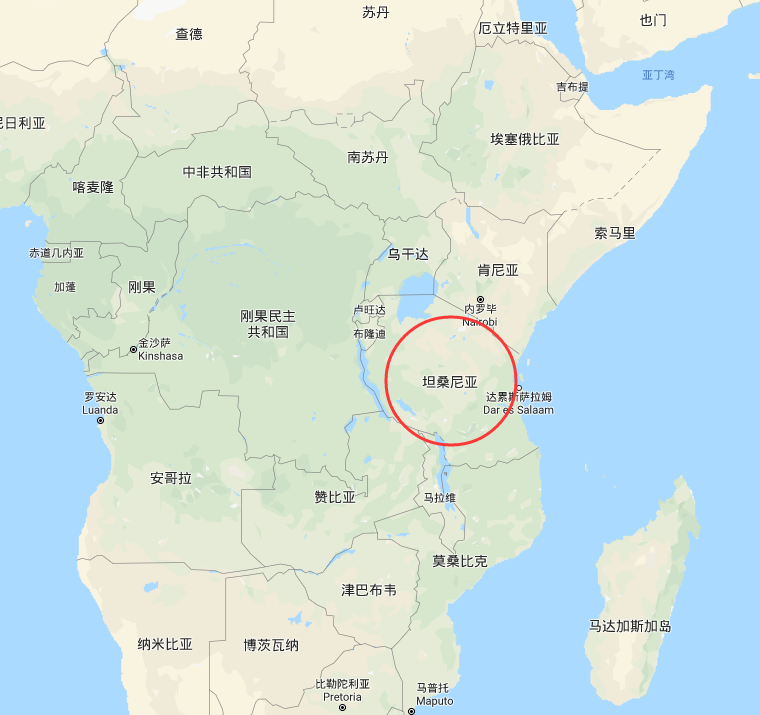
Tanzania's three most unique coffees are Moshi, Arusha and Kilimanjaro, all grown in the hills. Kilimanjaro is near Tanzania's border with Kenya. Tanzania's high-altitude region classifies almost all of its coffee as "strictly grown"(SHG).
Mbeya (the name of the main town) and Pare (the name of the market) are also respected, but in reduced numbers, growing southward between Lake Nyasa and Lake Tangnika in southern Tanzania.
Altitude: 1400 - 1800 m
Breed: N&KP, Kent, Bourbon
Harvest season: July-August (north); April-May (south)
Processing: washing or sun
Aroma: Tobacco, spices
Flavors: Black tea, kiwi, chocolate, lemon, blackberry
Body: OK
Acidity: Bright, lemony
The aroma of Tanzanian coffee may have rustic flavors, sometimes with a sweet taste of dark bread. The aftertaste does not disperse with slight suggestions of East African wildness. Tanzanian coffee has slightly weakened acidity compared to Kenyan coffee, but remains consistent with the milder body. Although the fruit and acidity are underestimated, they still sparkle. Ground, dried Tanzanian coffee may have sweet molasses aromas, slightly floral, with apple notes.
Share
Follow Coffee Search for the latest coffee updates. Reproduced from "Coffee Search"
Article URL: https://www.coffeesearch.net/coffee140969.html
Related Articles
- Detailed explanation of Jadeite planting Land in Panamanian Jadeite Manor introduction to the grading system of Jadeite competitive bidding, Red bid, Green bid and Rose Summer
- Story of Coffee planting in Brenka region of Costa Rica Stonehenge Manor anaerobic heavy honey treatment of flavor mouth
- What's on the barrel of Blue Mountain Coffee beans?
- Can American coffee also pull flowers? How to use hot American style to pull out a good-looking pattern?
- Can you make a cold extract with coffee beans? What is the right proportion for cold-extracted coffee formula?
- Indonesian PWN Gold Mandrine Coffee Origin Features Flavor How to Chong? Mandolin coffee is American.
- A brief introduction to the flavor characteristics of Brazilian yellow bourbon coffee beans
- What is the effect of different water quality on the flavor of cold-extracted coffee? What kind of water is best for brewing coffee?
- Why do you think of Rose Summer whenever you mention Panamanian coffee?
- Introduction to the characteristics of authentic blue mountain coffee bean producing areas? What is the CIB Coffee Authority in Jamaica?