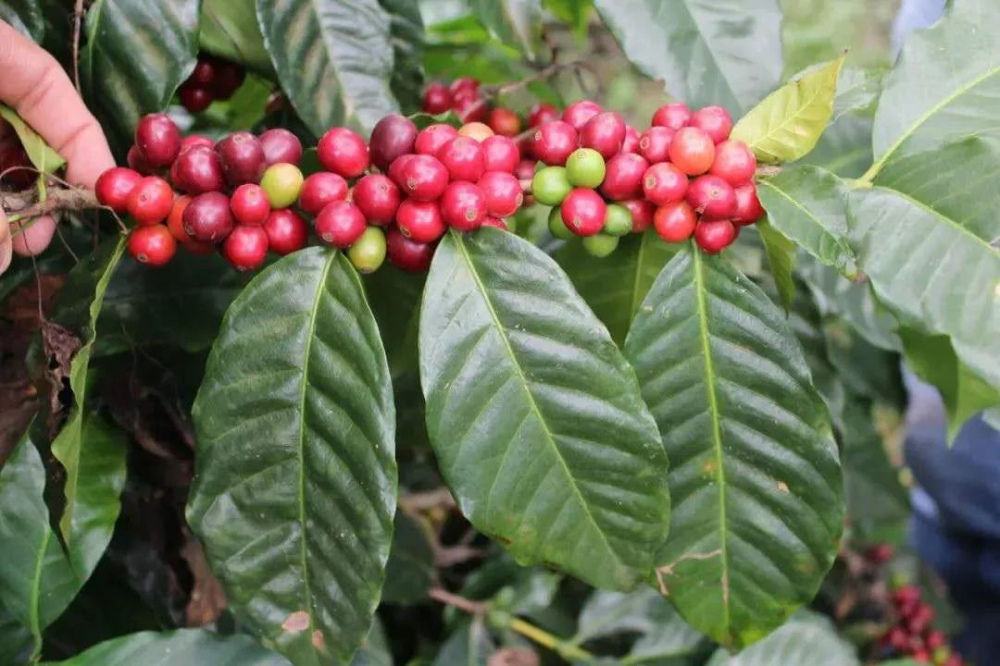
Kaddura is a natural variety of bourbon. It was found on a plantation in the Brazilian state of Minas Gerais between 1915 and 1918. There is a mutation in a group of genes in bourbon planted in the plantation, causing plants to grow smaller (similar to dwarfism). This new kind of coffee, which is expressed in a new biological form, is called "Caturra" in Guarani by locals, which means "small". It is sometimes called "Nanico".
Screening began in 1937 at the Agricultural College of the State of Sao Paulo (IAC) in Campinas, Brazil. Kaddura's selection process is called group selection, which means that a group of individuals are selected according to their excellent performance, and the seeds of these plants are piled up to form a new generation, and then the process is repeated. But what is interesting is that this variety has never been officially released in Brazil, but it is already very common in Central America.
The advantages of Kaddura
Kaddura is petite, so it allows plants to be planted more closely, and its secondary branches are closely spaced, allowing it to produce more fruit in the same space. This has greatly increased the unit output. And because of its petite size, it is more convenient to harvest.
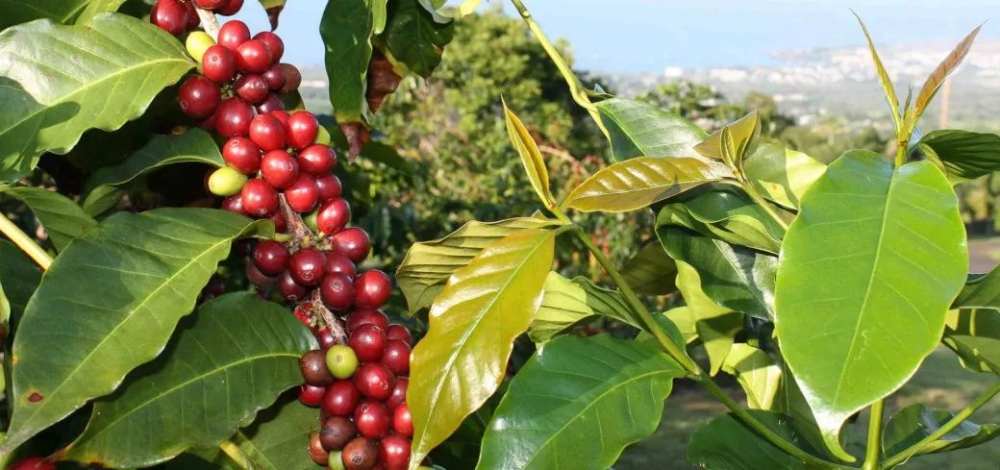
The most important advantage is that unlike ancient species such as tin card and bourbon, it does not need shade and is still alive in the sun, so it is also known as "Sun Coffee" coffee such as Kaddura. Kaddura is suitable for planting in the area of 700m-1700m, and its adaptability to the environment is stronger than that of bourbon species. The higher the altitude, the better its flavor. Like bourbon, it has a cyclical problem of capacity ups and downs every two years. It also has high-quality acidity and aroma, overall bright, but also has a good sweetness.

Kaddura was introduced to Guatemala in the 1940s from being discovered to studying screening at IAC, but was not widely adopted commercially over the next 30 years. From Guatemala to Costa Rica, Honduras and Panama. Until now it is one of the most important economic coffee in Central America. To some extent, it is often used as a "benchmark" for testing new varieties. In Colombia, Kaddura is thought to account for almost half of the country's production until a government-funded scheme in 2008 encouraged the transformation of more than 3 billion coffee trees with a leaf rust-resistant Castillo variety (Kaddura's pedigree). Kaddura's planting share began to decline.
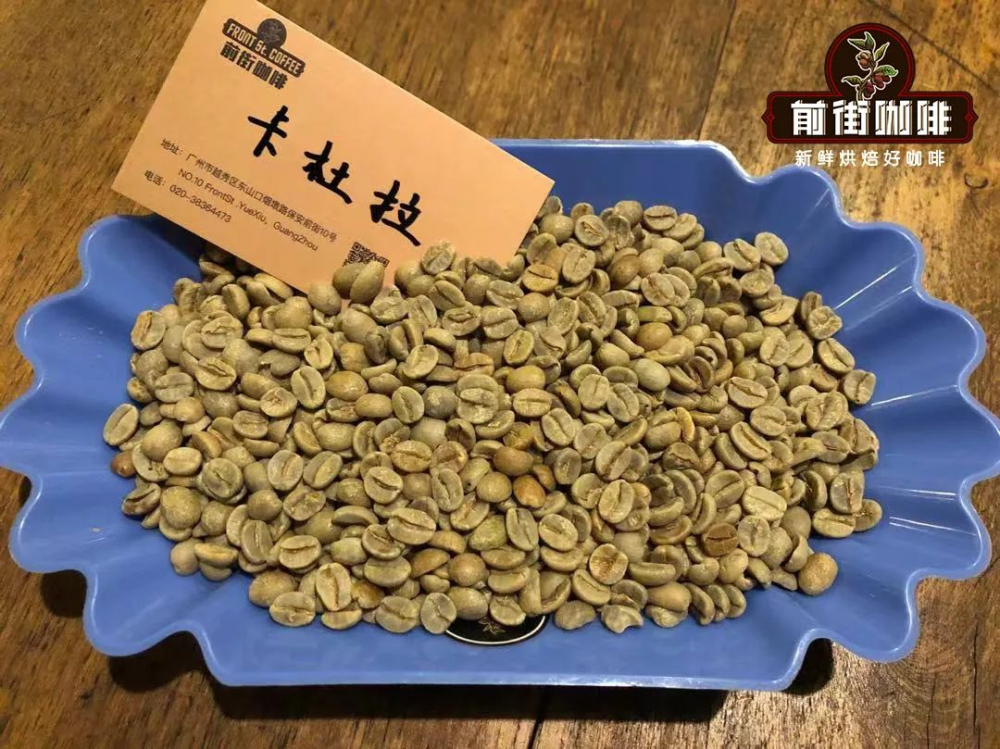
Kaddura species are included in the list of numerous coffees on the front street, such as Flower God in Guatemala, lychee orchid in Honduras, Rose Valley in Colombia and Flower Butterfly in Panama.
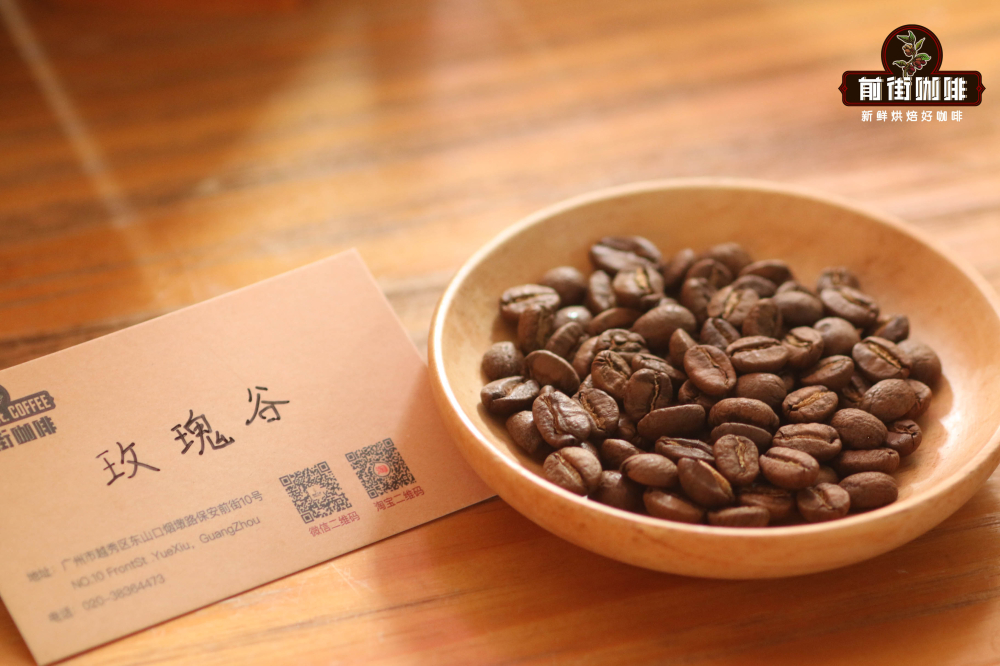
Front Street Coffee: Columbia Rose Valley Coffee beans
Producing area: Santander producing area
Manor: big Tree Manor
Treatment: anaerobic enzyme washing
Altitude: 1700m
Variety: Kaddura
Cooking flavor: rose, peach, wine chocolate, cream, cranberry
If you taste Kaddura for the first time, Qianjie recommends this Colombian Huilan grain bean, which is washed with water. That is, with soft acidity and suitable mellow and sweet, Qianjie hopes to present classic Colombian nut notes, and retains part of the acidity, opting for medium-deep baking.
Qianjie is recommended to cook.
Cooking parameters: 15g powder, v60 filter cup, ratio of powder to water at 1:15, water temperature of 90 degrees, stage extraction
The first stage of water injection 30g steaming for 30 seconds (water injection steaming starts)
The second small flow is injected to 125g
In the third stage, the current is slightly larger to 225 grams for 2 minutes.
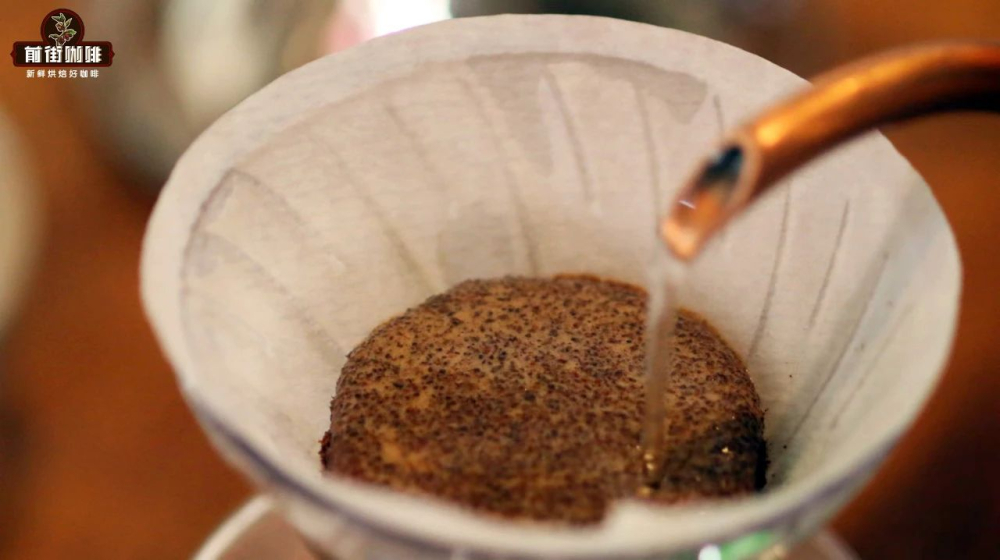
This way of stewing will release the gas produced during the roasting process of the coffee, slowly degassing, and make the coffee blossom.
The chemicals extracted at different stages are different: first, you get acid, then sweetness, and finally bitterness. Different chemicals: first, you get acid, then sweetness, and finally bitterness. It is worth noting that not all acids are fruity and satisfying: caffeoylquinic acid, for example, produces astringency / dryness and bitterness. Using this standard brewing method will reduce the variables produced in the coffee brewing process, making the brewing more consistent and the flavor more balanced.
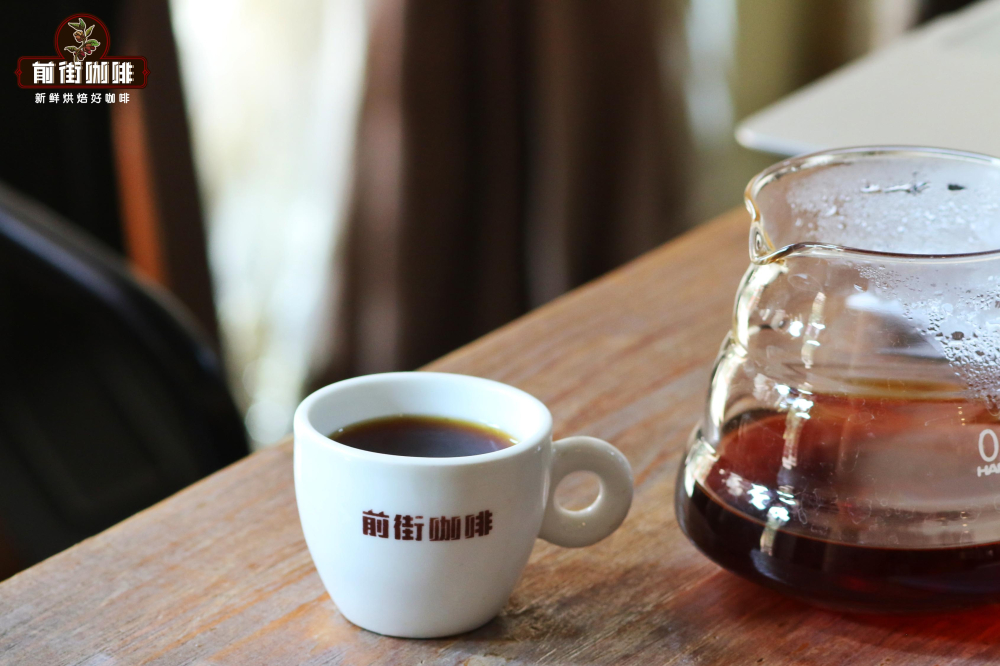
This Colombian Whelan water wash Kaddura, with obvious chocolate, nut, caramel and other baked aromas, smooth and sweet, mellow thickness, clean taste, lower temperature can feel the pleasant soft acidity.
Professional coffee knowledge exchange more coffee bean information please follow the coffee workshop (Wechat official account cafe_style) more boutique coffee beans please add private Wechat Qianjie coffee, WeChat: kaixinguoguo0925


